
Gabe Newell Celebrates His 64th Birthday: Billions on Steam, Superyachts, and Valve's Business Empire
03 November 2026 17:02On November 3, 2026, Valve co-founder Gabe Newell will turn 64. According to Forbes, his net worth is approximately $10.2 billion, and the company he founded controls one of the world’s largest platforms for selling computer games. Steam generates billions in revenue for Valve, Counter-Strike 2 rakes in huge sums from digital items, and the entrepreneur himself can afford to go years without releasing sequels to popular franchises.
Unlike most tech billionaires, Newell rarely appears in public and spends much of his time on yachts. In 2025, he acquired the Dutch shipbuilding company Oceanco, and his other interests include ocean research, neurotechnology, and artificial intelligence.
UA.News explains how much Gabe Newell’s business earns, how Valve turned free-to-play games into a massive revenue stream, why the entrepreneur bought a superyacht manufacturer, and what he says about his own success.
Steam Makes Billions Even Without New Valve Games

Newell’s greatest business achievement was not Half-Life or even Counter-Strike, but the Steam platform. Launched in 2003, the service was initially used to update Valve games but gradually evolved into a global digital store.
Today, Steam combines game sales, in-game items, social features, cloud saves, and developer tools. Valve no longer needs to create its own hit to generate revenue. It’s enough for users to buy products from other studios through its platform.
According to GameDiscoverCo’s estimates, Steam’s total gross revenue from games reached approximately $16.9 billion in 2025. Of this amount, about $14.98 billion came from third-party projects, and another $1.95 billion came from Valve’s own games, primarily Counter-Strike 2.
Steam’s primary source of revenue is commissions. The standard rate is 30%, but a reduced rate applies to the most successful games: 25% on revenue exceeding $10 million and 20% on revenue exceeding $50 million.
According to GameDiscoverCo’s calculations, in 2025, Valve could generate approximately $3.54 billion in commission revenue from third-party games alone. The average effective rate was about 24%.
And this does not take into account the entire revenue generated by the company’s own games or its other business segments. The scale of Steam can also be gauged by the number of users. On the eve of Newell’s birthday, the number of concurrent users on the platform exceeded 42.6 million.
This model is particularly advantageous for Valve. The company generates revenue from a vast number of third-party products, and its financial performance is far less dependent on the success of any single release than that of traditional publishers.
How Much Money Does Newell Have, and Who Owns Valve?
According to Forbes, as of November 2, 2026, Newell’s net worth was estimated at approximately $10.2 billion. This keeps him among the wealthiest people in the global gaming industry.
The bulk of his wealth stems from the value of his stake in Valve and other assets. Forbes estimates that Newell owns at least half of the company. The exact ownership breakdown is not publicly disclosed.

Valve’s private status is one of the reasons for its unusual behavior in the market. The company is not publicly traded, so it is not required to demonstrate quarterly profit growth to investors or regularly explain why a particular project is delayed.
By comparison, large public corporations must report to shareholders and meet financial forecasts. A failed release or the postponement of a major game can affect their market capitalization.
Valve has significantly more room to experiment. It can invest in developing hardware, halt game development, or spend years working on technologies without a specific release date.
However, Steam’s financial success has drawn the attention of regulators. In January 2026, the UK Competition Appeal Tribunal allowed a class-action lawsuit against Valve to proceed, seeking up to £656 million. The plaintiffs allege that the company is abusing its dominant position in the digital distribution market and charging excessive commissions.
Counter-Strike 2: Over a Billion Dollars in Skins and Cases
Counter-Strike 2 has become a distinct business phenomenon for Valve. The game is distributed for free, but its economy is built on sales of digital items, keys, passes, and commissions on user-to-user transactions.
The most famous element of the system is skins—cosmetic weapon designs that offer no advantage in-game but can have significant market value. Some rare items sell for thousands of dollars, and particularly valuable ones—for hundreds of thousands. There have even been reports of deals worth over $1 million. However, Valve’s main source of revenue comes from mass user transactions.
In January 2026, analyst and blogger ZestyJesus published a study on Counter-Strike 2’s revenue. According to his calculations, players opened over 400 million crates during the one-year period under review.
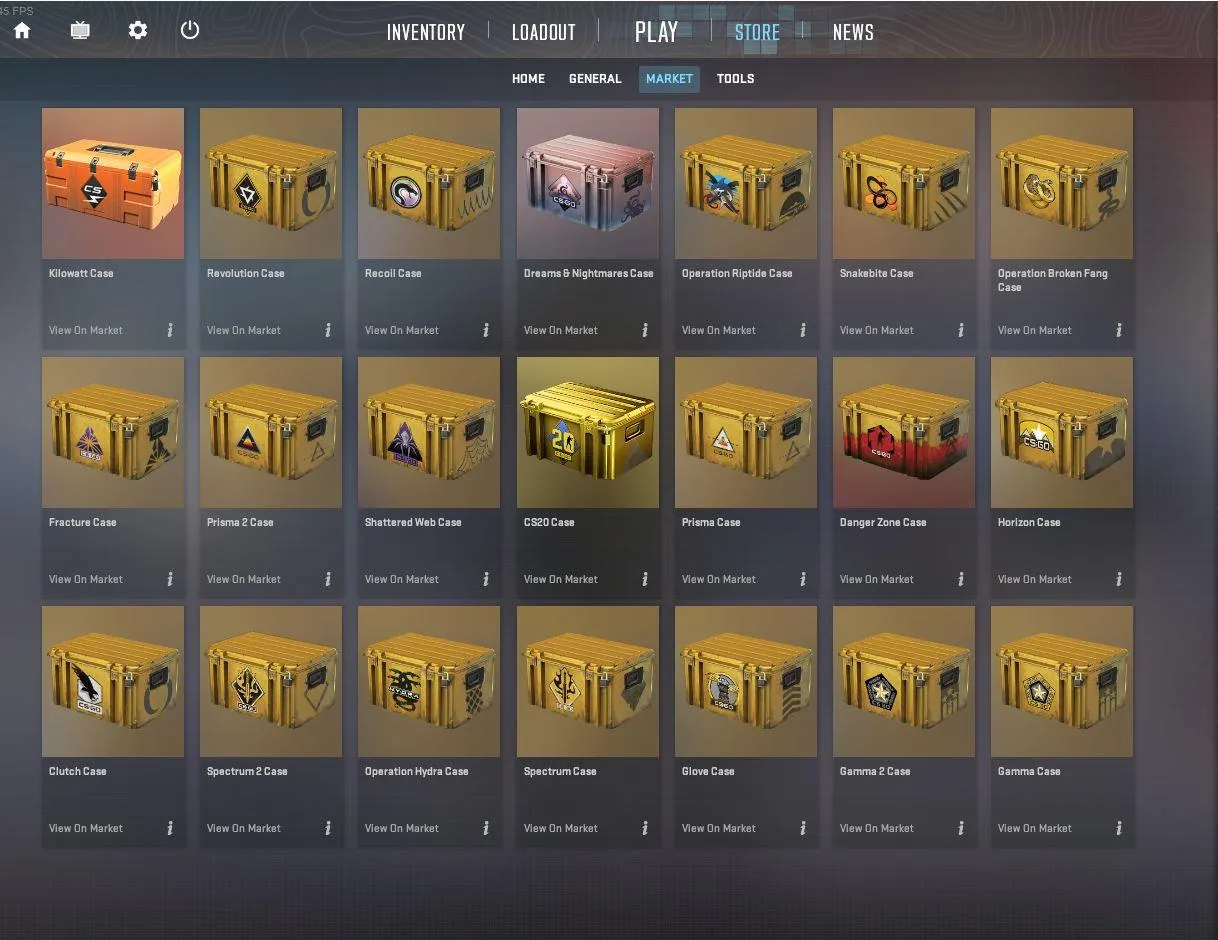
A key to open most of these cases costs approximately $2.50. Thus, the sale of these keys alone could have generated over $1 billion in gross revenue. The company generates additional revenue from the Steam Community Market. According to the researcher’s estimates, approximately 754 million transactions involving Counter-Strike items took place on the platform over the course of the year, totaling about $1.22 billion.
Taking Valve’s commissions into account, these transactions could have brought the company an additional $166 million. Overall, the study estimated revenue from Counter-Strike 2 at over $1.16 billion, without fully accounting for other sources of monetization.
These are independent calculations based on publicly available data, not official Valve reports. Additionally, gross revenue is not the same as net profit. From a business perspective, Counter-Strike demonstrates how a digital product can generate revenue for decades without the traditional model of selling each new version. The company supports the game, releases updates, adds items, and provides a trading system, while users themselves drive demand for digital assets.
At the same time, the mechanics of random loot boxes remain controversial due to their similarity to gambling, especially when it comes to underage players.
A Small Team with Huge Revenues
Another unusual feature of Valve is its relatively small number of employees. In July 2024, journalists gained access to previously hidden data from court documents in the Wolfire Games v. Valve case. The documents contained information on headcount and personnel costs.
According to these documents, the company had only 336 employees in 2021. Of these, 181 worked on games, 79 on Steam, 41 on hardware, and another 35 were in administrative roles.
Total payroll amounted to approximately $444.5 million. If we divide this amount by the number of employees, we get over $1.3 million per person.
However, it would be incorrect to call this an average salary. The documents do not reveal the full structure of compensation, which could have included substantial bonuses and other forms of remuneration.
Valve is known for its relatively flat management structure. Employees have considerable freedom in choosing projects and can band together around promising ideas without a rigid corporate hierarchy.
This organizational structure encourages experimentation but also has its drawbacks. Projects may lose priority, teams may shift to other tasks, and development may be delayed.
Despite this, Valve’s financial success is primarily due to its business model. The company does not create every game itself but provides the infrastructure for selling products from thousands of other studios. In this sense, Steam is more like a technology marketplace than a traditional publisher.
Piracy as a Service Challenge: The Principle That Helped Steam
One of Newell’s most famous statements came in an interview with The Cambridge Student in 2011, where he spoke about piracy: “Piracy is almost always a problem of service, not price.”
The entrepreneur explained that a user might choose a pirated product if it’s available 24/7, without geographic restrictions or a complicated installation process, whereas the legal version might require months of waiting or a search in physical stores.
Newell also criticized excessive copy protection systems that create inconveniences for legitimate buyers. It was precisely this approach that helped Steam establish a competitive advantage. Users get a single game library, automatic updates, save file synchronization, and the ability to re-download purchased products.
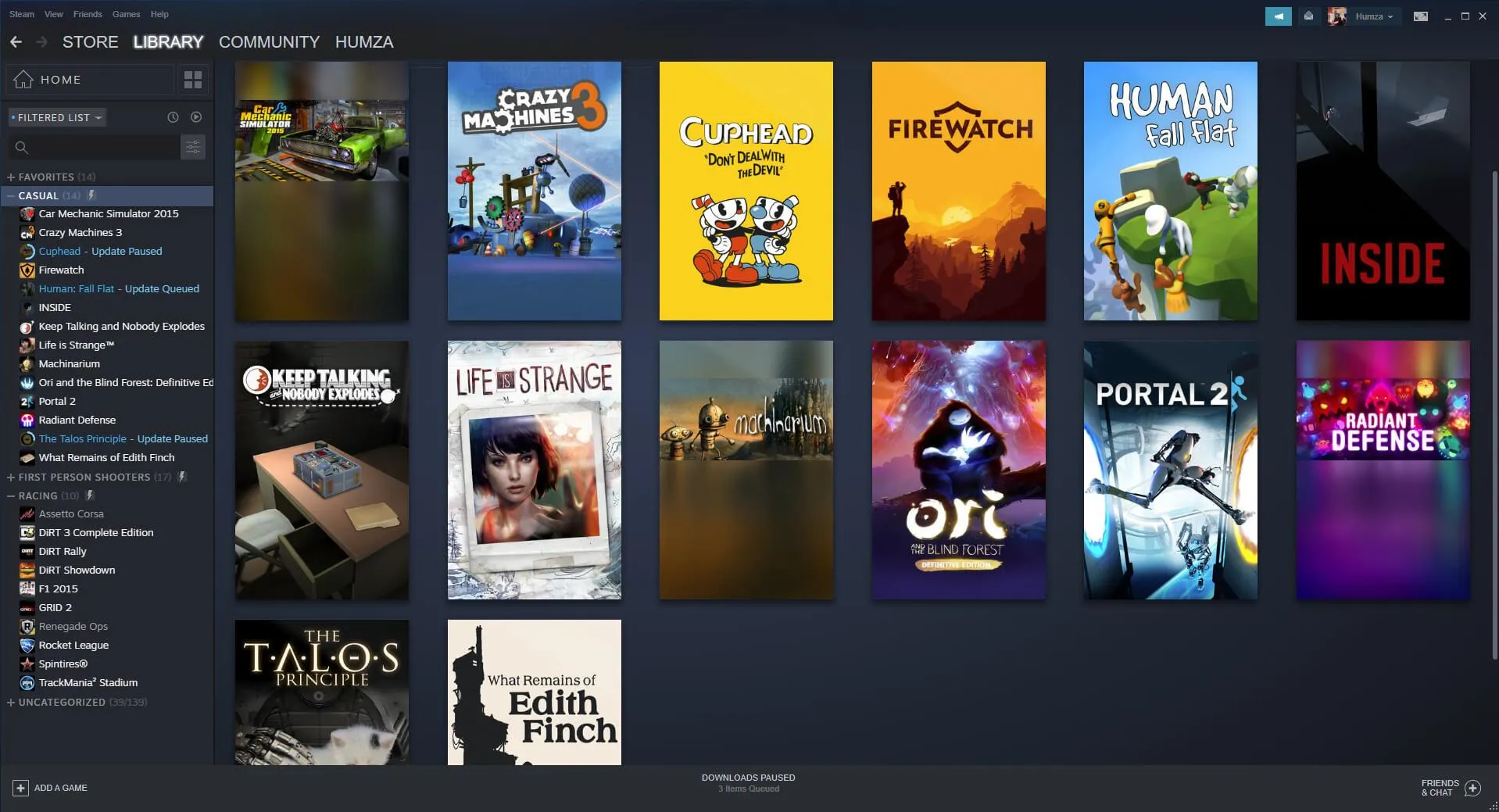
Seasonal sales, during which game prices can drop significantly, have played a major role in the service’s popularity. For developers, this model has opened up access to an international audience without the need to produce physical copies or partner with retail chains.
However, there is another side to this. The more users build up their libraries on Steam, the harder it is for them to switch completely to another service. This creates additional challenges for competitors and ensures long-term audience loyalty for Valve.
Why Valve Can Afford Not to Release Half-Life 3
One of the gaming industry’s greatest mysteries—the absence of Half-Life 3—is linked to the company’s financial independence. Since the release of Half-Life 2: Episode Two in 2007, fans of the series have been waiting nearly two decades for the continuation of Gordon Freeman’s story.
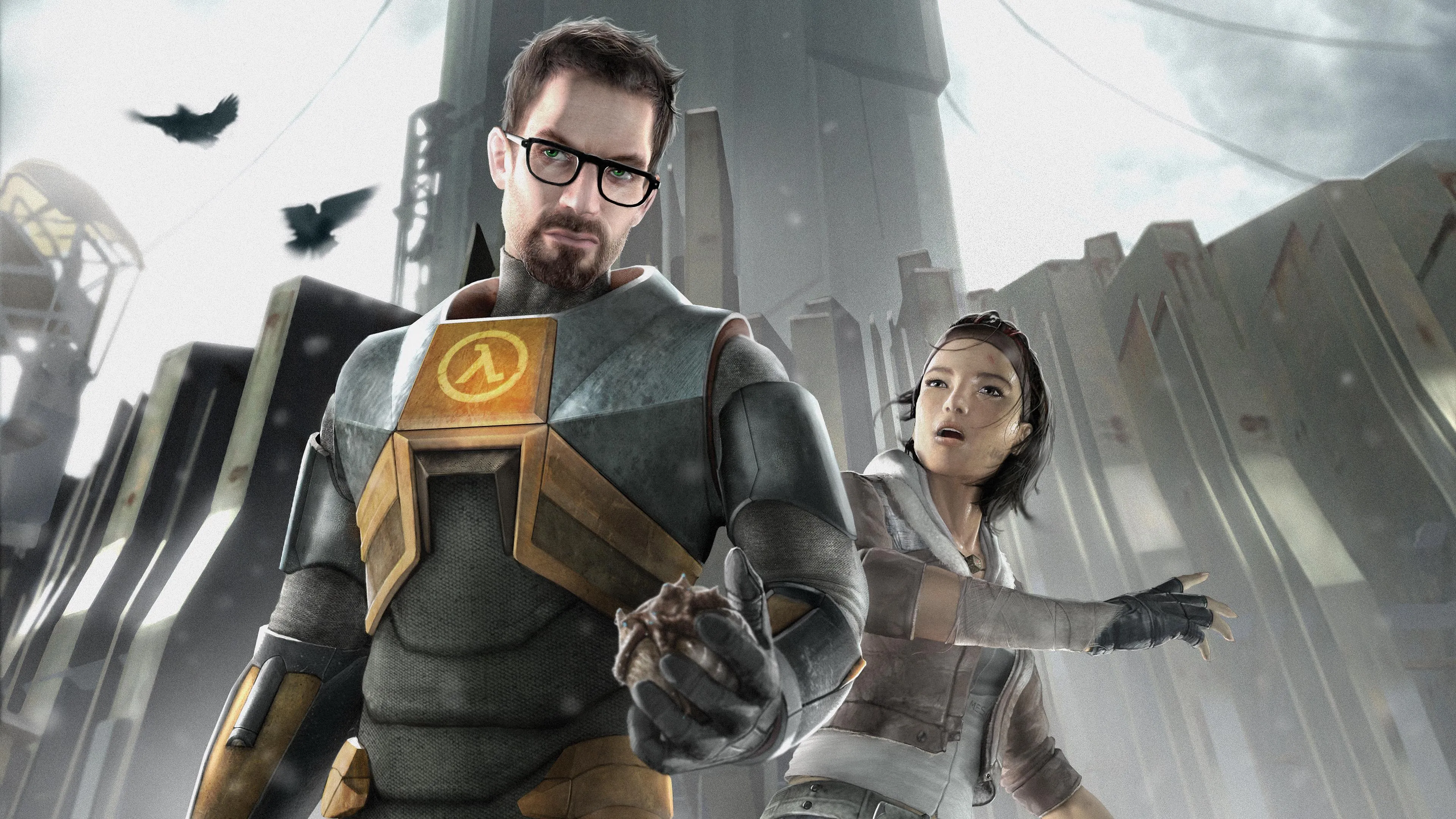
For most game publishers, such a popular franchise would be an obvious commercial asset. Releasing a new installment could guarantee massive sales. However, Valve is in no hurry to capitalize on this opportunity. The company generates revenue from Steam, Counter-Strike, and other products, so it has no urgent need for a new blockbuster.
In November 2024, ahead of the 20th anniversary of Half-Life 2, Valve released a documentary in which the developers discussed the unrealized Episode Three.
It turned out that work on the game had indeed been underway. The team experimented with new mechanics, but the developers were eventually reassigned to other projects. Newell himself admitted that he couldn’t find a compelling enough reason to create the third episode.
“My personal failure was that I hit a dead end,” said Gabe Newell.
The entrepreneur explained that he didn’t understand how a new game would move the series forward. Simply wrapping up the story, in his opinion, wasn’t enough.
In 2020, Valve returned to the Half-Life universe with the virtual reality game Half-Life: Alyx. However, it was not a direct sequel to Half-Life 2: Episode Two.
His Own Shipyard and a 111-Meter Yacht: Where Newell Spends His Money
Newell’s most interesting acquisitions in recent years have been ocean-related. The entrepreneur has long been passionate about diving and marine exploration, but in 2025, this passion turned into a major business venture of its own.
In August, the Dutch shipbuilding company Oceanco officially announced a change in ownership. The new owner is an entity affiliated with Newell.
Oceanco specializes in building large, custom superyachts for the world’s wealthiest individuals. Among its notable projects is the Koru, built for Amazon founder Jeff Bezos.
The purchase price of Oceanco was not disclosed. However, Newell gained control of a company with manufacturing infrastructure and expertise in building technologically complex vessels.
In November 2025, Oceanco delivered the 111-meter superyacht Leviathan to the entrepreneur. The vessel is equipped with a diesel-electric propulsion system, facilities for scientific research, a diving center, and medical infrastructure.
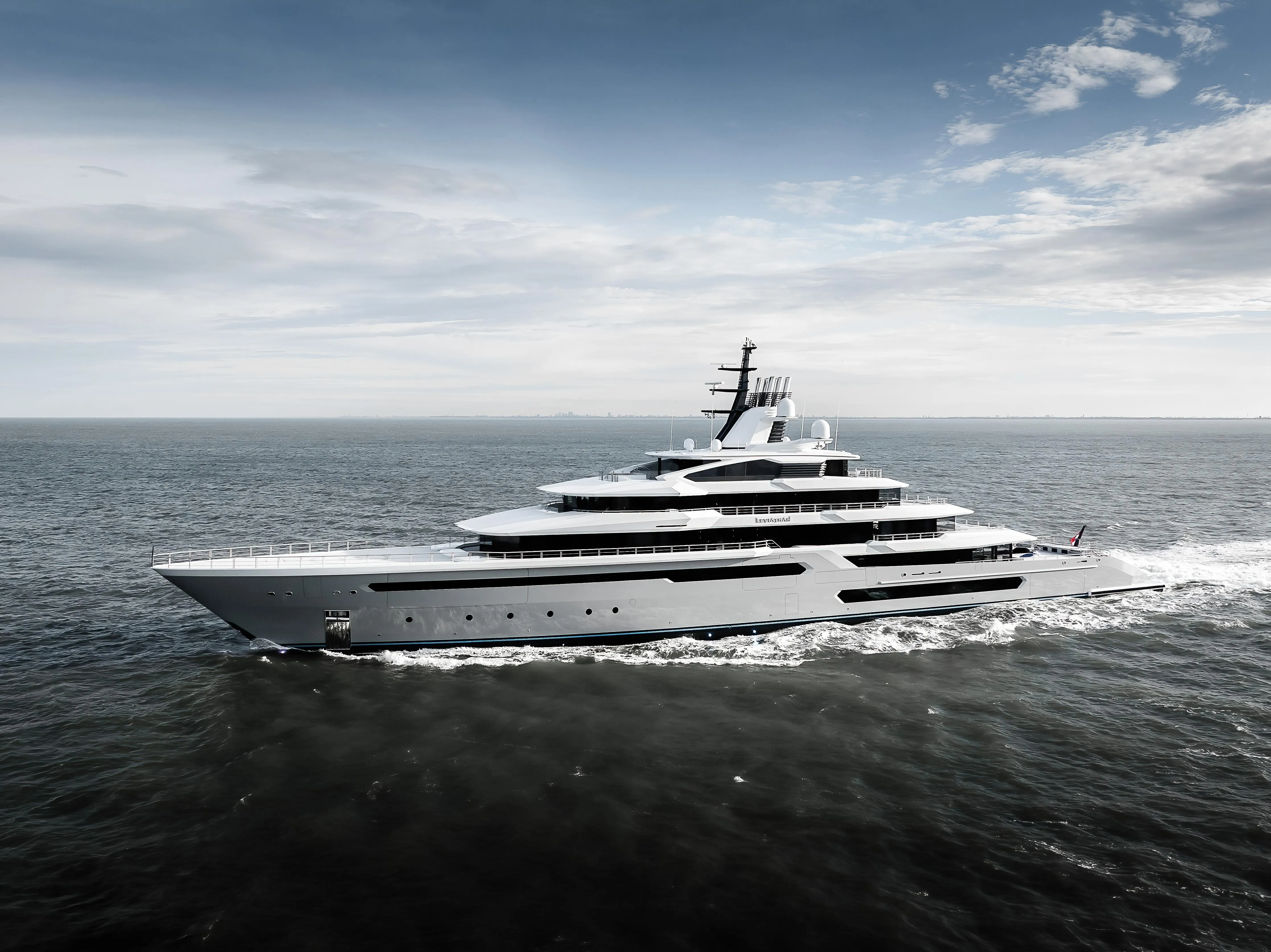
Newell sought to pay special attention to the crew’s needs, operational convenience, and shared use of spaces.
“We knew we were asking for unconventional solutions, and Oceanco enthusiastically accepted this challenge,” he said about the creation of the Leviathan.
In 2026, news emerged about another yacht owned by the entrepreneur—the 93-meter Draak. Both vessels are connected to his marine projects.
Another area of Newell’s activities is the organization Inkfish, which supports ocean research and uses specialized vessels and equipment for scientific expeditions.
Thus, his interest in yachts isn’t limited to acquiring luxury items. Part of his maritime infrastructure is used for research, and the acquisition of Oceanco allowed the entrepreneur to become directly involved in the shipbuilding industry.
Diving Instead of an Office: How the Founder of Valve Lives
Despite his multibillion-dollar fortune, Gabe Newell has no plans to stop working. In July 2025, the entrepreneur spoke about his lifestyle in an interview with blogger Zalkar Saliev. The Valve founder admitted that he spends a significant portion of his time on a yacht, combining work with scuba diving, physical training, and relaxation.
“I wake up, work, go scuba diving, then work some more. After that, I either go diving again or work out at the gym,” Newell said, describing his typical day.
According to the entrepreneur, he works seven days a week, often right from his bedroom on the yacht. However, he doesn’t find this schedule exhausting, since he devotes most of his time to projects that truly interest him.
“I like working. It’s fun. To me, it doesn’t feel like work,” noted the founder of Valve.
Newell explained that, in fact, he has long felt like a retiree. In his view, people usually dream of ending their careers so they can finally pursue their passions. He himself already has that opportunity and sees no reason to give up work that brings him joy.
The billionaire’s answer to a question about the reasons for his financial success proved to be no less interesting. In the interview, Newell emphasized the role of luck and the people he’s worked with throughout his career.
“Luck and the fact that I was surrounded by truly wonderful people,” he said, explaining the main factors behind his success.
The entrepreneur noted that he owes a great deal to his talented colleagues, particularly Microsoft specialists Neil Konzen, Doug Klander, and Jeff Harbers, with whom he worked early in his career. Newell also pointed out that the stories of successful billionaires are often analyzed without taking into account the coincidences and circumstances that helped them achieve their financial success.
Artificial Intelligence as a “Cheat Code” for the Future
In addition to marine research, Newell is investing in neurotechnology. He is a co-founder of Starfish Neuroscience, which develops technologies for electronic devices to interact with the human nervous system.
In the future, such solutions could be used in medicine, rehabilitation, and the creation of new ways to control devices. At the same time, Newell is convinced that the greatest technological changes will be linked to artificial intelligence.
In a 2025 interview, Gabe Newell compared the development of artificial intelligence to the advent of personal computers and the internet. In his view, machine learning and AI systems will have a significant impact on virtually all business sectors, and the ability to utilize new technologies will become a key competitive advantage.
“AI will become a cheat code for people who know how to use it,” said the founder of Valve.
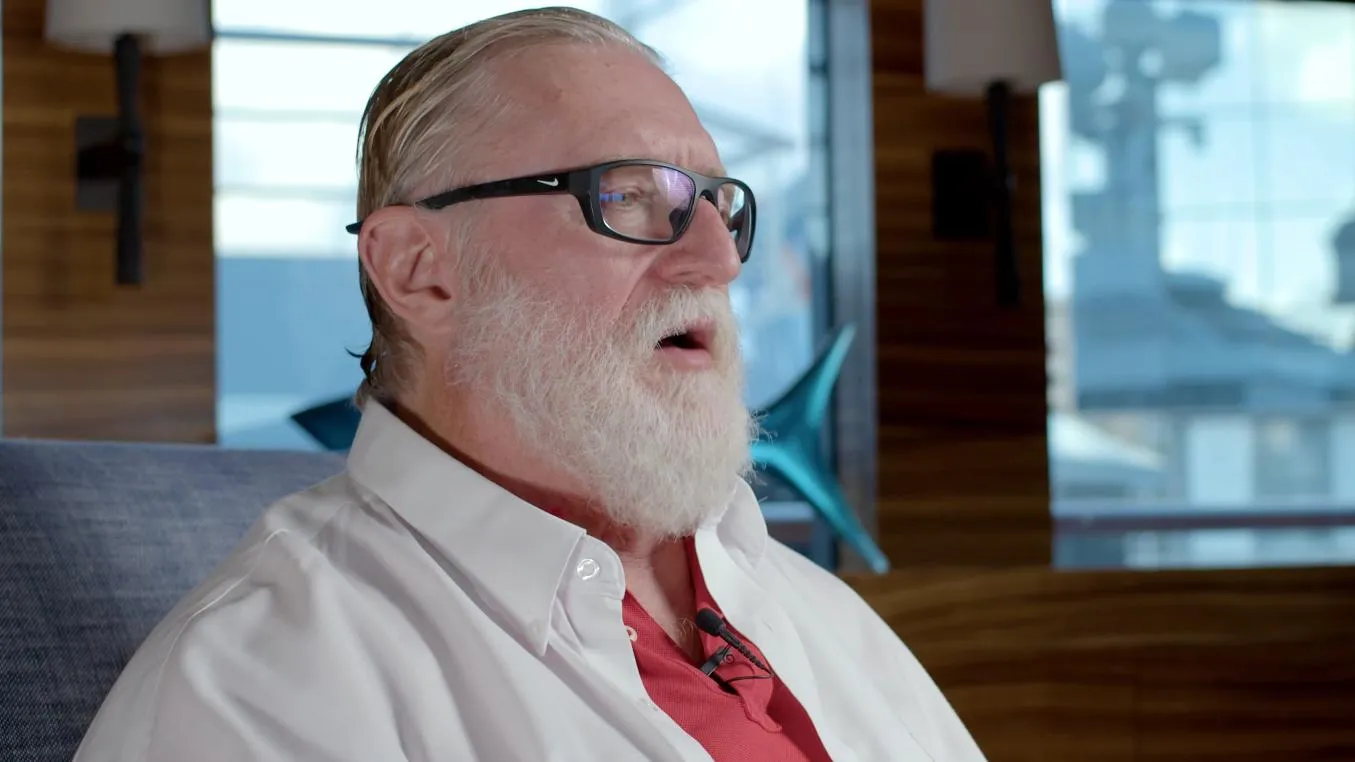
Newell advised that it’s not just programmers who should learn to use AI tools. According to him, this applies to accountants, lawyers, and professionals in other fields as well.
For Valve, such technologies also open up new opportunities. Generative AI is already being used in the creation of video games, and neurocomputer interfaces have the potential to transform how players interact with virtual worlds.
However, unlike Steam or Counter-Strike, these areas cannot yet be considered proven sources of billions in revenue. They are investments in the future, whose commercial prospects remain uncertain.
At 64, Newell remains an unusual example of a tech billionaire. He doesn’t feel the need to release a new Half-Life every year, isn’t accountable to stockholders, and can afford to work from his yacht while simultaneously developing a gaming platform, shipbuilding, and neurotechnology.
The main financial paradox of his empire is that Valve doesn’t necessarily have to create a new game to continue earning billions. As long as users buy games on Steam, open Counter-Strike cases, and trade digital items, Newell’s business generates new revenue.
And that’s precisely why one of the richest people in the gaming world can go years without answering the question that millions of his customers are curious about: When will Half-Life 3 be released?




