
Intel names Saudi Arabia’s key challenge for AI development
Intel believes that Saudi Arabia’s main challenge at the next stage of artificial intelligence development will not be expanding computing capacity, but turning it into commercially viable solutions. Taha Khalifa, Intel’s general manager for the Middle East and Africa, said this in an interview with Asharq Al-Awsat during the LEAP 2026 conference in Riyadh.
According to him, over the past two decades, the kingdom’s approach to technology has changed: from implementing developments created abroad to jointly developing products with Saudi engineers, using local data, and taking into account the priorities of the Vision 2030 program. Intel expects that within 12–24 months, some solutions will move from testing to commercial use.
Local manufacturing and skills
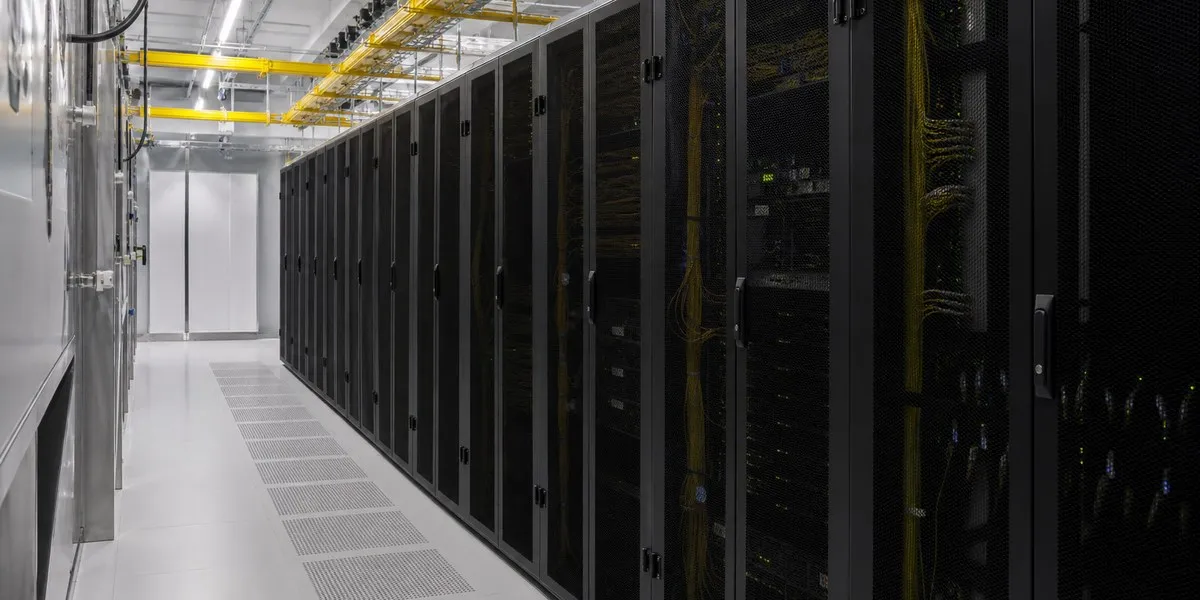
At the conference, Intel, Hewlett Packard Enterprise, and Saudi Arabia’s Ministry of Communications and Information Technology presented the Saudi Made, Developed, Deployed initiative. It combines locally assembled servers powered by Intel Xeon 6 processors, software developed in Saudi Arabia, and local specialists.
HPE has already begun producing Xeon 6-based servers in Riyadh for the Saudi and selected regional markets. Khalifa noted that building a sustainable export base requires long-term domestic demand, economies of scale, and the trust of regional buyers. Intel also plans to open a Saudi Innovation Center in Riyadh, where success metrics will include the number of solutions that reach commercial deployment, as well as the activity of local companies and developers.
More current news is available on the UA.News Telegram channel Telegram.
The Intel AI Digital Readiness program aims to reach 100,000 participants by 2030. The company links skills development to building a local technology ecosystem and specialists’ ability to work with AI infrastructure, create models, and develop applied solutions.
Energy efficiency and data processing
Intel also emphasizes the importance of energy efficiency in AI infrastructure. The company is conducting research with Think AI into heterogeneous computing and the metric of tokens per watt, which it believes will increasingly influence government and business decisions on AI infrastructure.
Intel identifies the work of large language models with Arabic dialects and cultural context, as well as their high cost of use, as separate challenges. The company expects that some AI workloads may move from cloud platforms to personal devices and edge systems, including for intelligent assistants, document processing, cybersecurity, financial services, and public safety.




