
Scientists have warned of the climate risks posed by a million SpaceX AI satellites
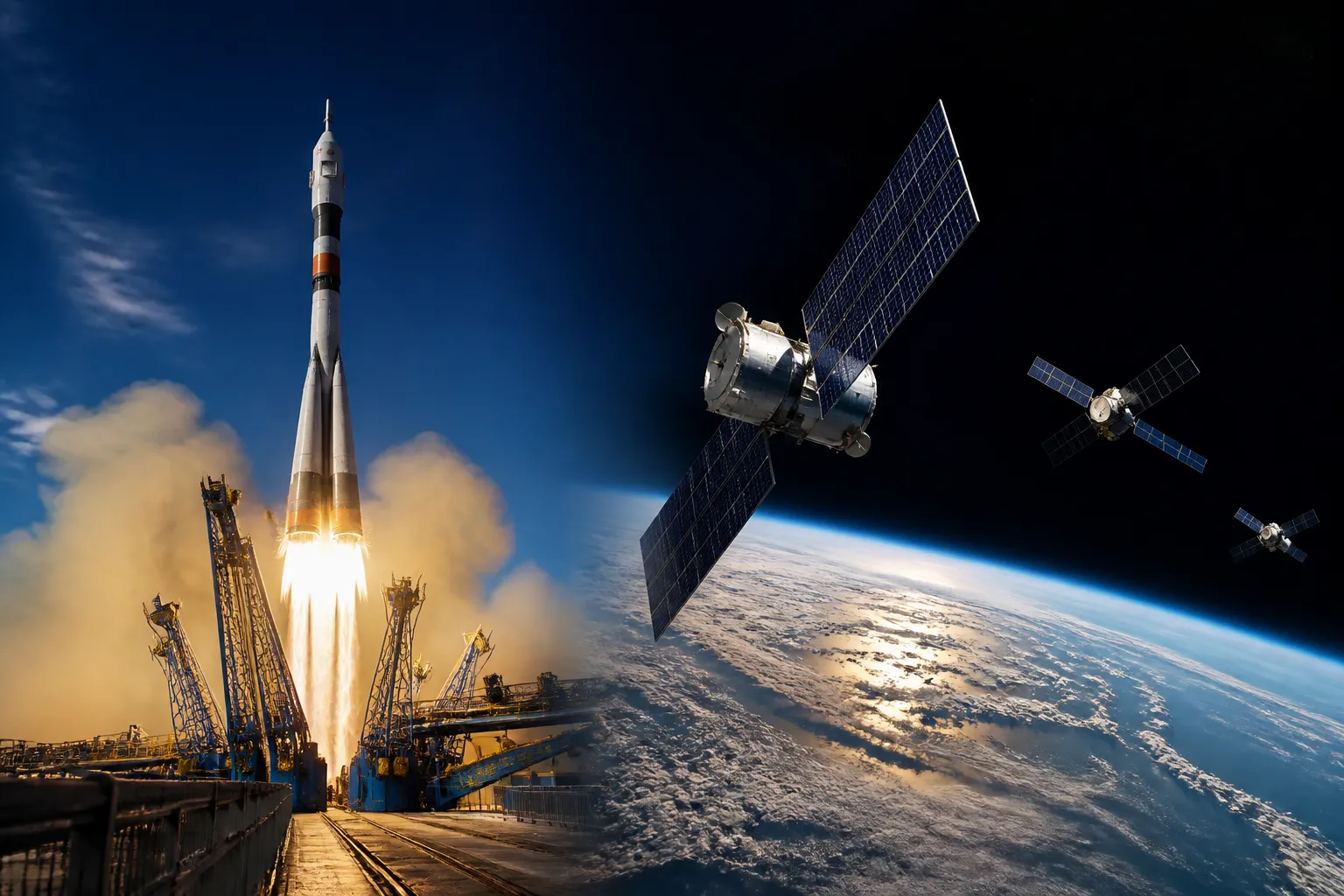
SpaceX’s plans to deploy a constellation of up to one million satellites for artificial intelligence computing could significantly increase pollution in the upper atmosphere during launches and re-entry. Atmospheric scientists are calling for a study of the potential consequences before launching such large-scale systems, according to Space.com.
SpaceX, Amazon, and Blue Origin have submitted applications to the U.S. Federal Communications Commission to launch more than one million orbital data processing centers over the next 10 years. A significant portion of this number comes from SpaceX’s plans: Elon Musk has stated that the company aims to independently operate a constellation of one million AI satellites.
University of British Columbia professor Aaron Boli noted that rocket launches and the reentry of satellites into the atmosphere directly introduce substances into its upper layers. Rockets emit black carbon, which can exacerbate global warming, and the aluminum structures of satellites can form aluminum oxide as they burn up. This compound is linked to processes that deplete the ozone layer.
For more breaking news, follow the UA.News Telegram channel.
Aloïse Mare, a professor of atmospheric chemistry at University College London, noted that pollutants at high altitudes can remain in the atmosphere much longer than emissions near the Earth’s surface. According to scientists’ estimates, black carbon from rockets can remain in the atmosphere for up to three years. At the same time, researchers do not yet have a precise understanding of the chemical reactions between such pollutants and atmospheric gases at high altitudes.
Deploying a million-strong constellation could require up to 77,000 Starship launches, or approximately 15,300 per year, according to Ars Technica. By comparison, there were 324 orbital rocket launches worldwide in 2025. Andrew Wilson, a space sustainability researcher at the University of Glasgow, estimated the emissions from a single Starship launch at approximately 76,000 metric tons of CO2 equivalent.
Scientists identify the mass re-entry of satellites into the atmosphere after the end of their operational life as a separate risk. According to available estimates, a single SpaceX orbital data processing center with solar panels 75 meters wide can weigh up to 7.5 metric tons. If such units are replaced every five years, tens or hundreds of metric tons of metals could enter the atmosphere annually. Scientists also point to the need for additional observations and research into chemical processes in the upper atmosphere.


