
OpenAI says Jalapeño chip outperformed Nvidia systems in a test
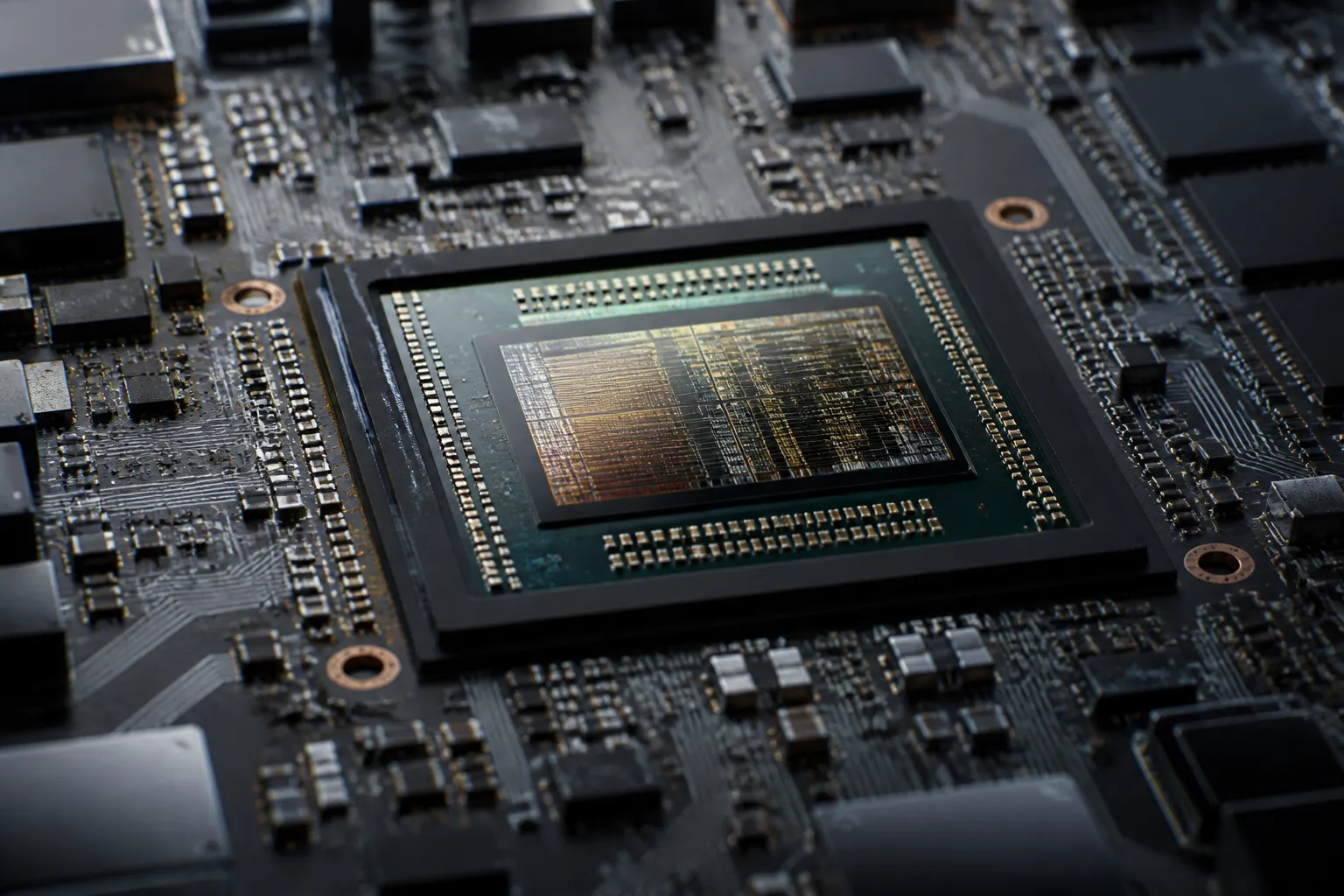
OpenAI said that its specialized Jalapeño chip for artificial intelligence performs tasks more efficiently and returns responses faster than competitors’ systems. According to the company, in an inference test Jalapeño outperformed systems based on Nvidia GB200 and GB300 superchips in energy efficiency and latency.
Chip for inference
As The Verge reports, Jalapeño was first introduced in June. It is an application-specific integrated circuit, or ASIC, developed by OpenAI in partnership with Broadcom. It is designed for inference — running an already trained AI model to perform tasks or operate an agent.
OpenAI Vice President of Hardware Richard Ho said during a briefing that Jalapeño combines lower latency with higher throughput. According to him, artificial intelligence systems usually have to make trade-offs between these characteristics.
More current news is available on the UA.News Telegram channel Telegram.
Benchmark results
To assess performance, OpenAI used the InferenceX benchmarking platform. Jalapeño’s results were compared with the best recorded results at that time for systems based on Nvidia GB200 or GB300. The company also assessed time between tokens, a metric that reflects the speed at which a response arrives.
OpenAI claims that Jalapeño performed 1.5–1.9 times more AI work per watt of energy in tests with the GPT-OSS 120B, DeepSeek R1, and Kimi K2.5 1T models. End-to-end latency for these three models, according to the company, was 1.7–3.6 times lower than in the comparison systems.
According to Ho, this could mean faster responses, agents that react more promptly, and more reliable access as demand grows. OpenAI plans to deploy Jalapeño in small volumes by the end of the year and begin scaling up deployment volumes in 2027.




