
Polish author Olga Tokarczuk has found herself at the center of a scandal over her use of AI
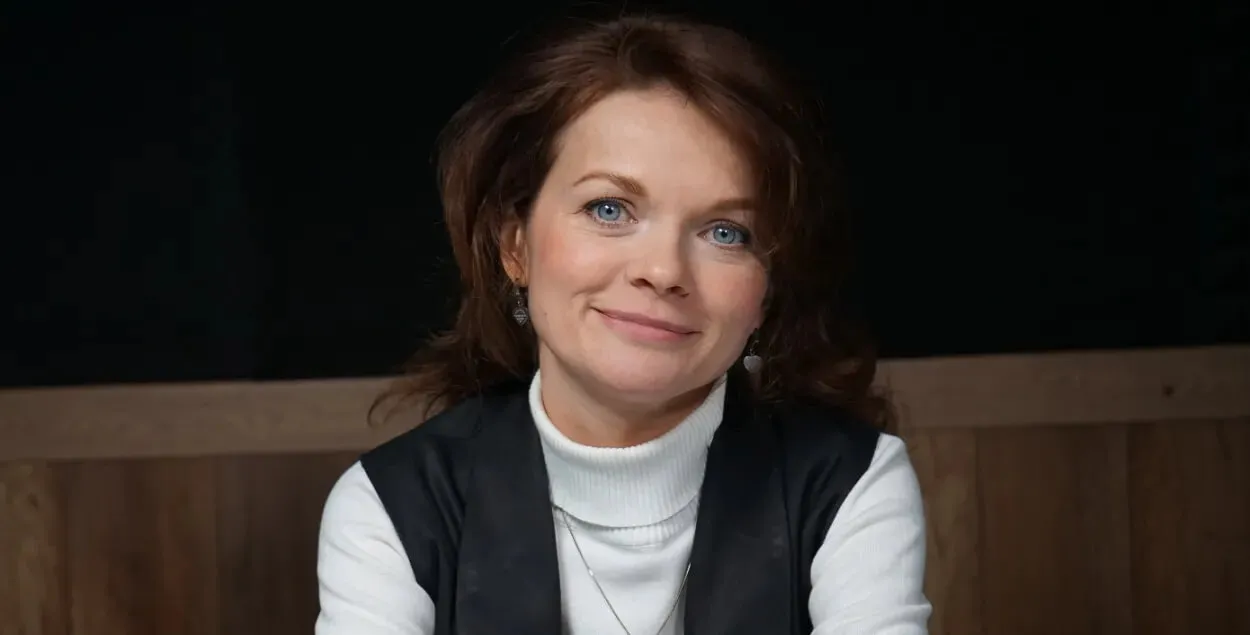
Polish writer Olga Tokarczuk found herself at the center of a media controversy over her comments regarding the use of artificial intelligence in the creative process.
During a speech at the large-scale Impact’26 conference in Poznań, the author candidly admitted that she uses AI to conduct deeper research and expand her own creative thinking.
This statement by the renowned writer sparked a wave of outrage among writers and readers, who accused the Nobel laureate of undermining trust in the written word and destroying the traditional grand form in art.
The controversy erupted after Tokarczuk described in detail her unconventional approach to working with modern digital technologies.
The writer noted that she views AI as an effective assistant, but emphasized the importance of constant self-control during such work.
As an example, she mentioned her new novel, which is set to be officially released in October of this year.
Olga Tokarczuk shared that while writing the text, she could turn to artificial intelligence with a delicate request: “Darling, how could we develop this beautifully?”
The reaction of the European cultural community to such revelations was largely critical and sharp.
Many artists expressed concern that the regular use of neural networks in the creation of classical literature would cause authors to lose the trust of their audience en masse.
Writer Ela Pachkovska called this situation “shameful” and ironically asked whether ChatGPT would become the official co-author of her future book.
Artist Sofia Galinska was outraged by the affectionate use of “darling” when addressing the algorithm, and Ukrainian author Olena Mulik stated that she was “devastated” by her colleague’s interview.
“Olga Tokarczuk’s interview devastated me. I understand that a writer who has already established herself and solidified her status can afford to express such thoughts. But for me, as the author of a single (so far) novel, her despair regarding the grand form and future of literature breaks my heart. As does her admiration for Nabokov and her fatalistic claims that there will be no more good literature in the world because more and more books will be written by AI,” wrote Olena Mulik.
Meanwhile, columnist Wojciech Szot dedicated a separate column to this event, noting that Tokarczuk simply openly revealed a truth that most contemporary artists carefully hide from the public.
Sławomir Sierakowski came to the Nobel laureate’s defense, confident that the poet’s words had been taken out of context, and that AI would eventually become as commonplace a tool as a search engine.
In Ukraine, literary scholar Ostap Slyvynskyy reacted to the scandal, noting a deep “generational divide” in which older people view technology with enthusiasm, while young people see the risks.
Media manager Oksana Pavlenko also supported the author, noting her courage in openly reflecting on the inevitable shift of eras.
Due to the widespread backlash, Olga Tokarczuk published an official statement, emphasizing that readers and colleagues had misinterpreted her words.
She assured everyone that she is writing her new novel entirely on her own and uses generative models solely for quick preliminary research and fact-checking.
“I did not write my upcoming book, which will be released in the fall of 2026 in Polish, with the help of artificial intelligence or anyone else. I have been writing on my own for several decades,” Tokarczuk explained.
Artificial intelligence is rapidly taking over the internet, outpacing humans on the largest platforms
Artificial intelligence sometimes lies, even when it knows the truth


