
Sila received a $1.4 billion loan from the Pentagon to purchase battery materials
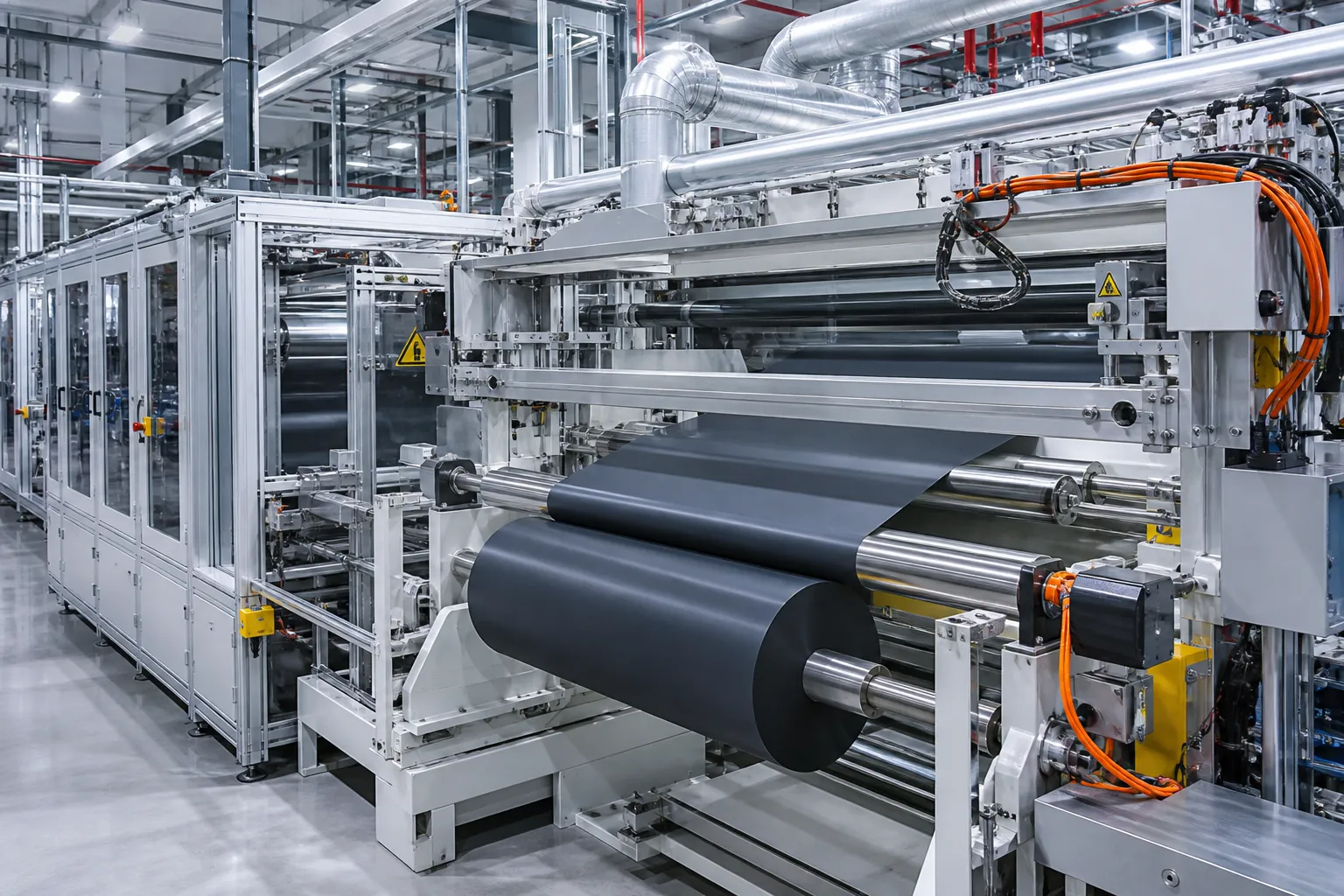
The American startup Sila has received a $1.4 billion loan from the U.S. Department of Defense to expand production of silicon-carbon battery material. The funds will be used to develop the company’s plant in Moses Lake, Washington, according to TechCrunch.
Sila produces material for lithium-ion battery anodes. Most modern anodes are made from graphite, and the supply chain for this material is largely controlled by Chinese companies. Buyers of battery materials in the U.S., particularly automakers and defense contractors, are seeking suppliers not tied to China.
Silicon anodes, which Group14 and Amprius are also developing, can store 20–40% more electrical energy than graphite anodes. The increased energy density could enable the creation of longer-lasting power cells or smaller, lighter batteries. This is important for defense and mobile applications, including drones and electric vehicles.
For more breaking news, follow the UA.News Telegram channel.
The Sila plant in Moses Lake began operations in September. At its current capacity, it can produce about 2 GWh of anode material per year. The company plans to increase the plant’s capacity fivefold to produce material for more than 100,000 electric vehicles.
In July, Sila raised $300 million to expand the plant in a funding round led by Atreides Management and Sutter Hill Ventures. According to PitchBook, the startup has raised a total of more than $1.5 billion from private investors. The company also has agreements with Mercedes and Panasonic.
Along with the loan for Sila, the U.S. Department of Defense announced funding for three other companies. Australia’s Sunrise Energy Metals will receive $400 million for scandium mining; Minnesota-based Niron Magnetics will receive $150 million for the production of magnets without rare earth elements; and Strategic Bauxite will receive an $85 million government investment in its equity capital.




