
SpaceX to attempt putting Starship’s upper stage into orbit for the first time on September 22 — TechCrunch
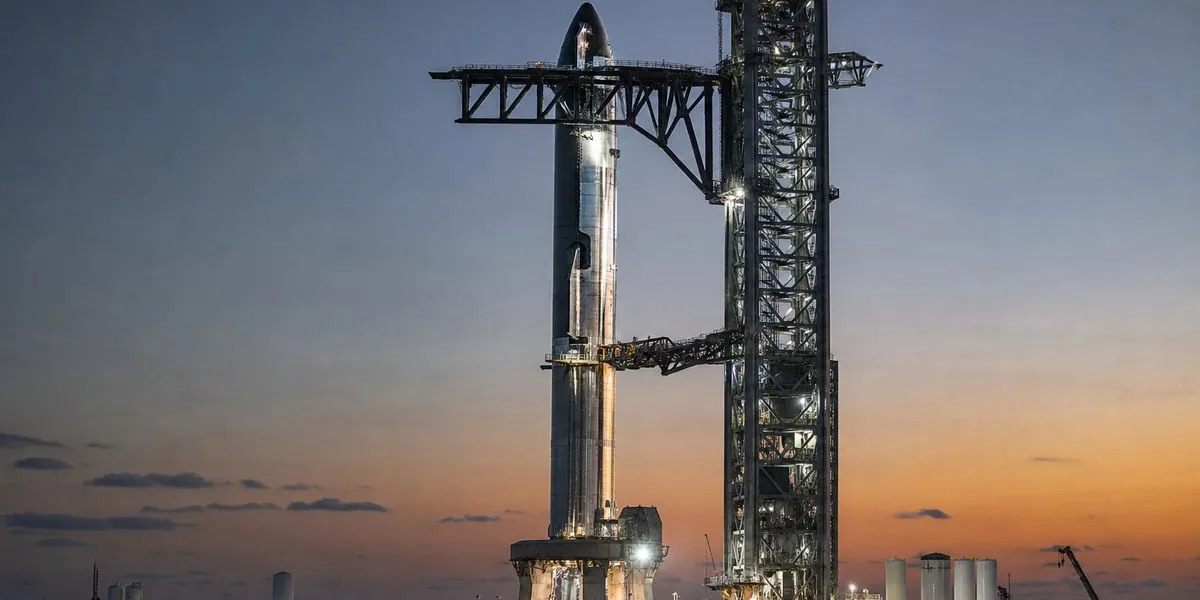
SpaceX plans to conduct the 14th test flight of the super-heavy Starship rocket on September 22 and attempt, for the first time, to put its upper stage into Earth orbit. The 75-minute launch window is expected to open at 7:15 a.m. U.S. Central Time, TechCrunch reports.
Starlink V3 satellites
During the flight, the company plans to deploy 26 third-generation Starlink satellites — V3 — into orbit. This is expected to be the first batch of such spacecraft intended to replenish SpaceX’s internet network, which consists of 10,000 satellites.
If successful, the mission will become the first Starship launch to generate revenue for SpaceX’s launch division, although the funds will come from another division of the company. In July, Starship already deployed V3 satellites to test the capabilities of the deployment system. Those spacecraft were not intended to operate in orbit and burned up in the atmosphere about 20 minutes later.
This will be the second Starship test flight since SpaceX became a public company following its IPO in June. Putting the upper stage into Earth orbit would be an important milestone for the company, which plans to eventually replace Falcon 9 and Falcon Heavy with Starship rockets.
More current news is available on the UA.News Telegram channel Telegram.
Changes to the rocket and booster
SpaceX does not plan to catch the Starship upper stage with the launch tower during this flight. The company’s founder and CEO Elon Musk previously abandoned the idea, saying that an explosion at this stage would be too serious a setback.
The company will also not attempt to catch the Super Heavy booster. During the 13th flight in July, the booster experienced problems restarting its engines after the upper stage separated. According to SpaceX, several changes were made to Super Heavy’s hardware and software for the new mission to address the issues from the previous flight.
During the 13th flight, the upper stage made a smooth flight to a simulated landing in the Indian Ocean, although it did not reach orbit. It did not explode after splashdown, allowing SpaceX to retrieve it and slowly tow it to its Texas headquarters for study. Based on the examination of this stage, the company also made changes to Starship’s thermal protection system.


