
Singapore tests AI in film production — Channel NewsAsia
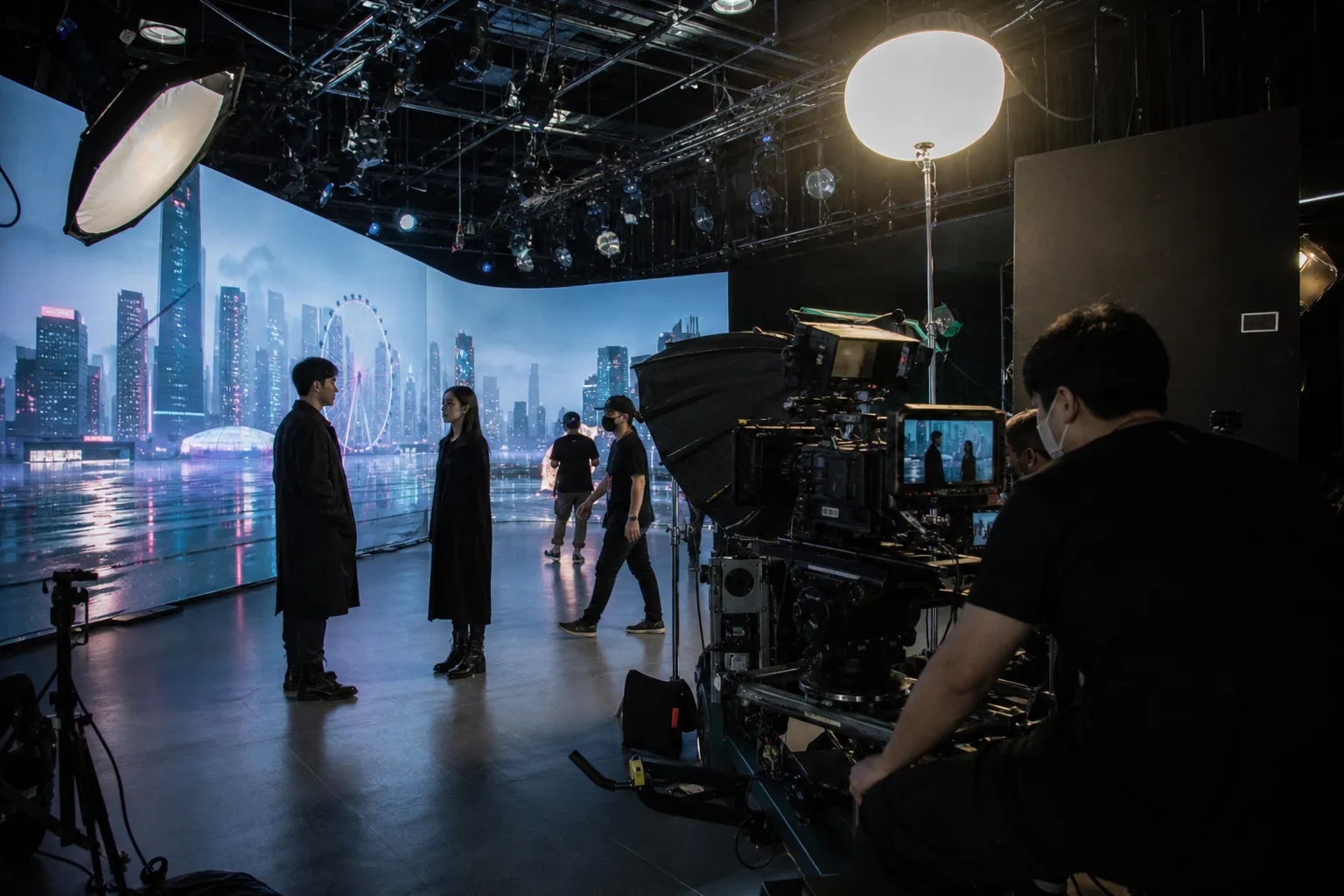
In Singapore, filmmakers are experimenting with the use of artificial intelligence to create drama projects, while industry representatives discuss the technology’s impact on jobs, authorship and human creativity. As Channel NewsAsia reports, Crooks has been described as Singapore’s first hybrid AI drama: actors work on conventional sets, while AI helps create the environment around them.
More than 50 team members from production, technical and editing departments are undergoing retraining to work on Crooks. Boi Kwong, founder and executive producer of B-01 Films and also the showrunner of Crooks, said that the use of AI shifts a significant part of the work to the post-production stage. According to him, visual effects specialists need to master AI tools and adapt them to the filming process. He also suggested that such changes could create more jobs in post-production.
Faster production
Pax Chen, founder and CEO of FizzDragon, a Singapore-headquartered platform for AI filmmaking and digital creators, believes such tools lower the barrier to entry into the creative industry, speed up production and make it easier to make changes to material.
In China, AI is already being actively used for short dramas. According to local media reports, a 2.5-minute episode of the AI microdrama Master of Feng Shui gained 100 million views within 12 hours of its premiere. According to estimates by the China Netcasting Services Association, about 128,000 microdramas were released in the country in the first quarter of the year, with more than 95% generated by AI. DataEye estimated the value of China’s microdrama industry in 2025 at 100 billion yuan, or $14.35 billion.
More current news is available on the UA.News Telegram channel Telegram.
Limitations and protection of performers
At the same time, the use of AI does not guarantee a positive audience response. Two locally produced AI-generated films released during the weekend before Singapore’s National Day sparked controversy among viewers. In particular, Trace Project was criticized for its characters, dialogue and inaccuracies, including a Singaporean flag with six stars.
Visual artist and Singapore University of Technology and Design lecturer Debbie Ding warned against using systems that take over the entire creative process. In her view, the opacity of such tools may conceal an author’s skills and experience.
Boi Kwong stressed that AI is still unable to reproduce actors’ emotions, their response to a scene and subtle nuances of performance. Laura Kee, chair of The Actors’ Society, also pointed to the importance of imperfections in acting that make characters convincing. According to her, unlike in the United States, performers in Singapore do not have a collective bargaining mechanism to protect them from the use of AI.




