
September 2 is the feast day of Saints Mamant and Anthony of the Caves
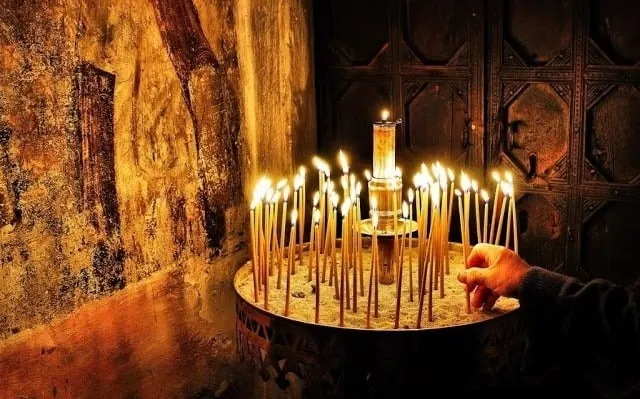
On September 2, 2026, Orthodox Christians following the New Julian calendar commemorate the martyr Mamant, the Venerable John the Faster, and other saints. On this day, the Venerable Anthony and Theodosius of the Kiev Caves—among the most famous ascetics in Ukrainian church history—are also commemorated. In the folk calendar, this day was primarily associated with caring for domestic animals and preparing the farm for fall.
On September 2, according to the New Julian calendar, the Orthodox Church honors several saints. Among them are the martyr Mamant, the Venerable John the Faster, the Patriarch of Constantinople, as well as the Venerable Anthony and Theodosius of the Kiev-Pechersk Lavra.
It is important to note that the church calendar and folk traditions are not one and the same. On this day, the church commemorates specific saints and their lives, while the folk signs and household customs developed much later and belong to folk tradition.
Memorial Day of the Martyr Mamant
Saint Mamant lived in the 3rd century in Caesarea of Cappadocia. According to church tradition, he was orphaned at an early age and was raised by a Christian woman named Ammia. Even at a young age, Mamant openly professed his Christian faith. Because of this, he suffered persecution and torture.
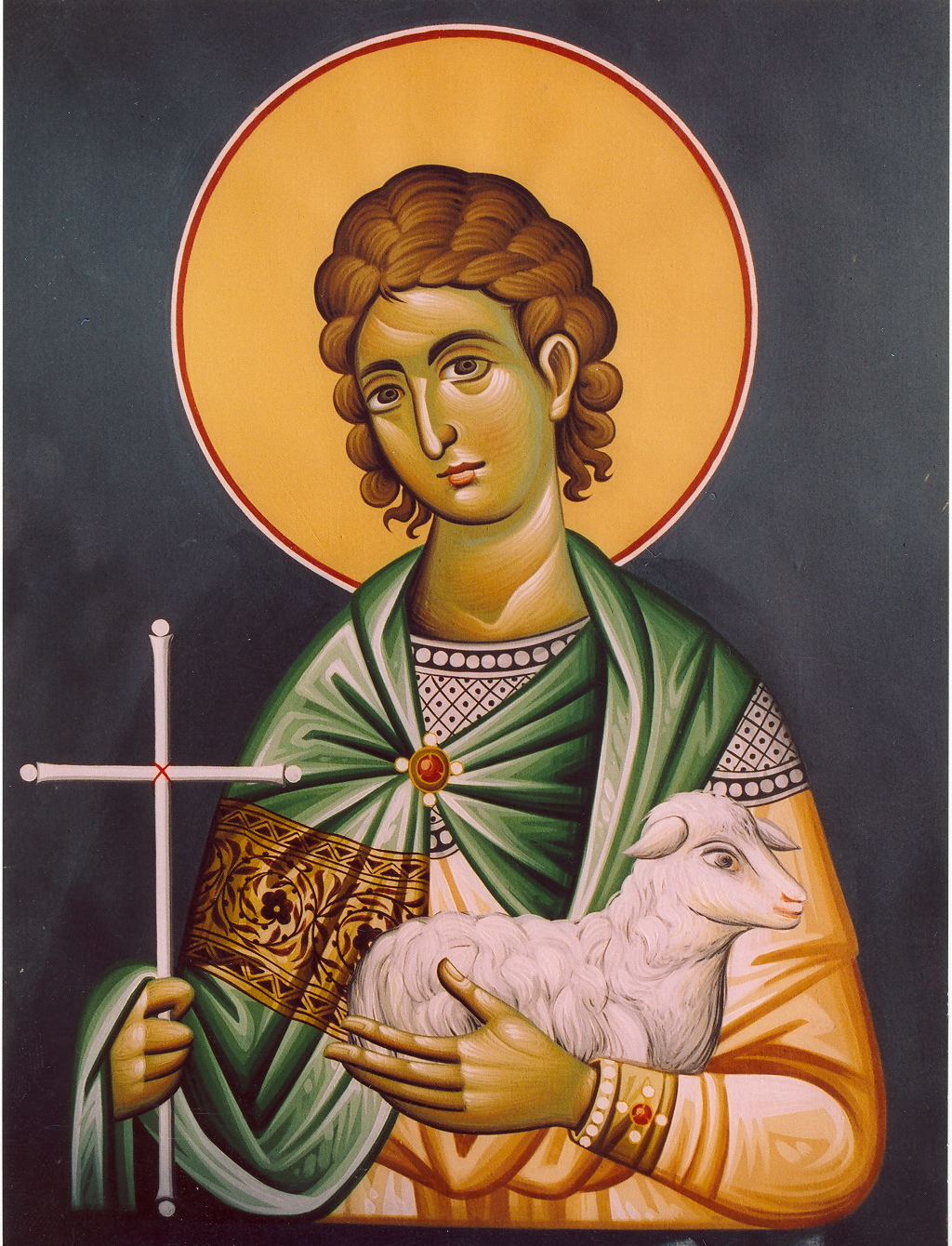
According to legend, Mamant later settled in the desert, where he lived in prayer and solitude. Stories are told about his life, claiming that wild animals were not afraid of the saint. In particular, it is said that Mamant milked deer and other animals and gave the milk to the poor. That is why, in folk tradition, he later came to be regarded as the patron saint of livestock and shepherds.
Eventually, Mamant was arrested on the orders of the local authorities. He refused to renounce his faith and died a martyr’s death.
John the Faster
September 2 also commemorates the Venerable Ivan Posnik, who lived in the 6th century. He became Patriarch of Constantinople and is known for his austere, ascetic life. The nickname “Posnik” is associated with his attitude toward fasting and self-restraint. According to church tradition, John spent much of his time in prayer, observed strict fasting, and strove to lead a simple life.
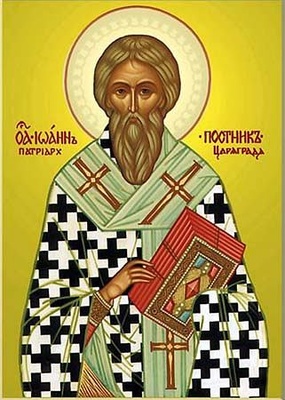
At the same time, he helped people in need. The saint gave his possessions to the needy and devoted much attention to his spiritual life. John the Faster is also associated with the use of the title “Ecumenical Patriarch” for the Primate of Constantinople. However, this issue has a complex history and should not be viewed as a one-time decision by Ivan himself, after which the title immediately became official.
Anthony and Theodosius of Kyiv-Pechersk
Separately, on September 2, the Church honors the Venerable Anthony and Theodosius of Kyiv-Pechersk. They are considered among the founders of Kyiv monasticism and the history of the Kyiv-Pechersk Lavra.
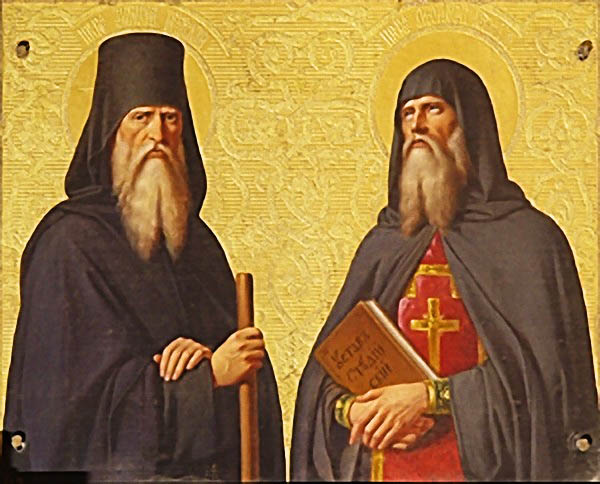
According to tradition, Anthony spent some time on Mount Athos, and after returning to Kyiv, he settled in a cave. Other monks gradually began to gather around him. Thus, a community emerged that later became one of the most important monastic centers of Kievan Rus’.
Theodosius was one of Anthony’s closest disciples. He played an important role in organizing monastic life and developing the monastery. It is precisely with Anthony and Theodosius that the founding of the Kyiv-Pechersk Lavra is associated; the monastery became an important spiritual and cultural center.
Folk Traditions on September 2
In folk tradition, this day was largely associated with domestic animals. Due to legends about Saint Mamant, he was credited with providing special protection for livestock. Farmers tried to pay more attention to their animals: they cleaned out the barns, checked feed supplies, and prepared the farm for the cold weather.
September already felt like the beginning of the fall season, so part of the fieldwork was also completed during this period. Farmers gradually prepared cellars and pantries for winter, checking their supplies of vegetables and preserved foods. Such customs were part of the folk calendar. They are not church rules and may vary by region.
Folk Signs
Starting on September 2, people associated various observations of the weather and nature with this date. It was believed that these observations could indicate what the fall would be like or when the first cold snap would arrive.
Among the common signs were the following:
- if it’s sunny on September 2, autumn will be warm and long;
- morning rain foretells damp fall weather;
- if the cranes are already flying south—an early winter was expected;
- fog in the lowlands was considered a sign of several warm and calm days.
It’s important to remember that these are folk sayings, not scientific weather forecasts. They can be viewed as part of the cultural heritage and traditional observations of nature by Ukrainians.
What People Were Advised Not to Do on September 2
Folk beliefs also had their own taboos for this day. First and foremost, they concerned the treatment of domestic animals. It was believed that one must not beat, insult, or intentionally harm livestock. People believed that mistreating animals could bring illness and problems to the household.
People were also advised not to quarrel without reason, not to swear, and not to wish others harm. According to folk tradition, it was best to spend the day peacefully and without conflict. Another important aspect of this day was helping others. People were urged not to refuse those who asked for support and not to remain indifferent to the misfortunes of others. These rules are based on folk beliefs. The Church does not impose a separate, universal ban on everyday activities such as cleaning, working, or other household chores on September 2.
What You Can Do on This Day
On September 2, believers can visit a church, pray, and commemorate the saints whose memory is honored on this day. In particular, one can pray for the health of loved ones, peace in the family, and assistance in difficult circumstances. This day can also be spent doing things that benefit the family and household. Caring for pets, helping relatives, and supporting those in need are fully in line with the general Christian tradition of charity.
The main thing is not to reduce a church holiday to a mere list of superstitions and prohibitions. Its core meaning is tied to the memory of people who, in accordance with Christian tradition, dedicated their lives to faith, prayer, and helping others.
Name Days on September 2
Name days on this date can be determined according to various calendars, so lists of names in popular sources vary. According to the church calendar, September 2 is particularly associated with Saints Mamant, John, Anthony, and Theodosius.
Mament is a name of Greek origin associated with the meaning “provider” or “one who nourishes.”
Ivan is a form of the ancient Hebrew name Yohanan, meaning “God is gracious.”
Anthony is a name of Latin origin; it is traditionally associated with the family name Antonius.
Theodosius is a name of Greek origin, which translates as “given by God” or “God’s gift.”
If you consult expanded folk calendars, the list of names may be more extensive. Therefore, before congratulating someone on their Name Day, it is best to check the specific calendar by which they observe their Name Day. September 2, 2026, falls on a Wednesday. According to the New Julian calendar, on this very day, Orthodox believers in Ukraine honor the memory of the martyr Mamant, John the Faster, Anthony, and Theodosius of the Kiev Caves, as well as other saints.


