
The military, salaries, pensions: what Ukraine’s 2027 budget provides for
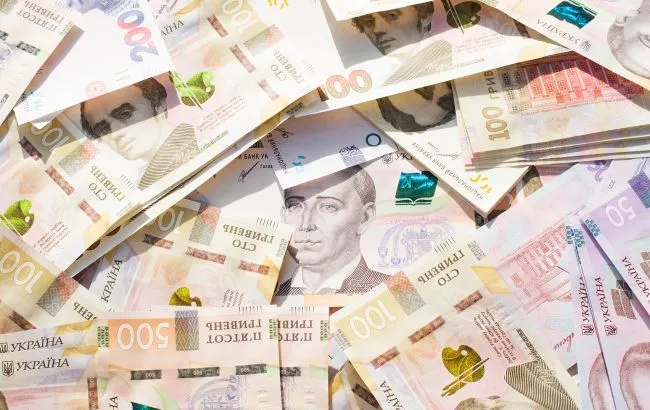
The Ministry of Finance has released the draft state budget of Ukraine for 2027. It includes record-high spending on security and defense, pay raises for teachers and medical workers, as well as significant funding for pensions and support for veterans and internally displaced persons. Overall, government spending is expected to rise to 7.27 trillion hryvnias.
The Ministry of Finance has released the key figures of the draft state budget for 2027. The document calls for a significant increase in both state revenues and expenditures. According to the plan, the budget is expected to receive 5 trillion 648 billion hryvnias in 2027. This is 452.1 billion hryvnias, or 8.7%, more than projected for 2026.
Expenditures are planned to increase even more substantially—to 7 trillion 272 billion hryvnias. Compared to 2026, this is 864.9 billion hryvnias, or 13.5%, more. At the same time, Ukraine will need significant international financial assistance next year. The total need for external support will amount to $52.6 billion.
Nearly 5 trillion hryvnias for defense
As is traditional, the largest share of the budget will go toward security and defense. In 2027, 4 trillion 885 billion hryvnias are planned to be allocated for these needs. This amounts to approximately 43.8% of Ukraine’s GDP. Compared to 2026, defense spending is expected to increase by 517.9 billion hryvnias. The funds are planned to be allocated across several key areas.
1 trillion 791.7 billion hryvnias are earmarked for military salaries and related benefits. Another 2 trillion 298.5 billion hryvnias are to be allocated for the procurement of weapons and military equipment. An additional 499.9 billion hryvnias have been earmarked for other security and defense sector expenditures. Separately, 264.9 billion hryvnias have been set aside as a reserve, along with an additional 30 billion hryvnias in state guarantees for the procurement of weapons and military equipment. In other words, defense will remain the main focus of government spending in 2027 as well.
Plans to Raise Salaries for Teachers and Healthcare Workers
The draft budget also allocates more funds for education. A total of 328.5 billion hryvnias is planned for this sector. This is 50.8 billion hryvnias more than in the 2026 budget. The Ministry of Finance expects that the average salary for an experienced teacher in 2027 will be 27,300 hryvnias. This is approximately 65% more than in 2025. Funding has been allocated not only for salaries. The budget also includes funds for academic scholarships, meals for students in all grades, and the construction of shelters in schools.
Next year, 292.5 billion hryvnias are planned to be allocated to healthcare. The Ministry of Finance estimates that following an increase in medical service rates, the average salary of a specialist physician will be at least 30,000 hryvnias. For nurses, this figure is expected to rise to 20,000 hryvnias. An additional 10 billion hryvnias has been allocated for free health screenings for people aged 40 and older.
How Much Will Veterans and Internally Displaced Persons Receive
A separate category of expenditures concerns veterans. The budget allocates 20.5 billion hryvnias for veteran policy. Of this amount, 12.2 billion hryvnias are planned to be directed toward assisting veterans as they return to civilian life. This includes, in particular, payments, rehabilitation, psychological support, and vocational rehabilitation. Significant funds are also allocated for internally displaced persons. The total amount of support for IDPs is expected to be 83.2 billion hryvnias.
Specifically, 39.6 billion hryvnias have been allocated for living expenses. Another 11.5 billion hryvnias are earmarked as compensation for destroyed property. Separately, 5.5 billion hryvnias are planned to be allocated for compensation for destroyed housing under the “HOME” program. A total of 540.3 billion hryvnias is earmarked for social benefits and other measures by the Ministry of Social Policy. The largest portion of this amount—292.8 billion hryvnias—is to be used for pension supplements.
Funding for Businesses and Regions
The government has also allocated funding for programs to support the economy and businesses. A total of 96 billion hryvnias has been set aside for this purpose. Among the programs planned for funding are the “5-7-9%” preferential loans, the “eOselya” program, and the development of defense technologies under Brave1.
An additional 133.6 billion hryvnias has been allocated to support regions and local communities. Part of these funds is to be directed toward assisting frontline and temporarily occupied territories.
Over 52 billion hryvnias have been allocated for roads
In 2027, there are plans to partially resume funding for the State Road Fund. This amounts to 52.8 billion hryvnias, or approximately one-quarter of the total need. The funds are planned to be allocated as follows:
- 10.1 billion hryvnias—to fulfill debt obligations on loans taken out for the development of the public road network;
- 34.2 billion hryvnias — for the maintenance and development of state roads;
- 8.5 billion hryvnias — for local roads, streets, and municipal roads in populated areas.
Another 18.2 billion hryvnias are planned to be spent on compensating for the difference in utility rates. This money is intended to help communities cover the difference between the actual cost of utility services and the rates people pay. In this way, the government aims to reduce the financial burden on both local budgets and the population.
Where Will the Budget Funds Come From?
The budget deficit remains one of the main problems. Therefore, Ukraine will continue to rely on financial assistance from international partners. In 2027, the need for external financing will amount to $52.6 billion. The funds are expected to come from the European Union, the G7 countries, the International Monetary Fund, the World Bank, and the United Kingdom.
Once approved by the government, the draft state budget will be submitted to the Verkhovna Rada. It will then be reviewed by members of parliament, who may submit their own proposals and amendments to the document. Meanwhile, Finance Minister Serhiy Marchenko previously warned of the risk of delays in social payments if parliament does not pass the laws necessary to receive international funding from the EU and the IMF.
According to him, in the event of a funding shortfall, the government will prioritize defense spending. Other expenditures would then have to be funded on a residual basis. Thus, the 2027 budget proposal remains war-driven in its logic: the state plans to spend the most money on the military and security. At the same time, the government is allocating additional funds for the salaries of teachers and healthcare workers, pensions, and support for veterans, internally displaced persons, businesses, and communities.




