
The State Consumer Service explained where sardines are imported from and how they are tested for mercury
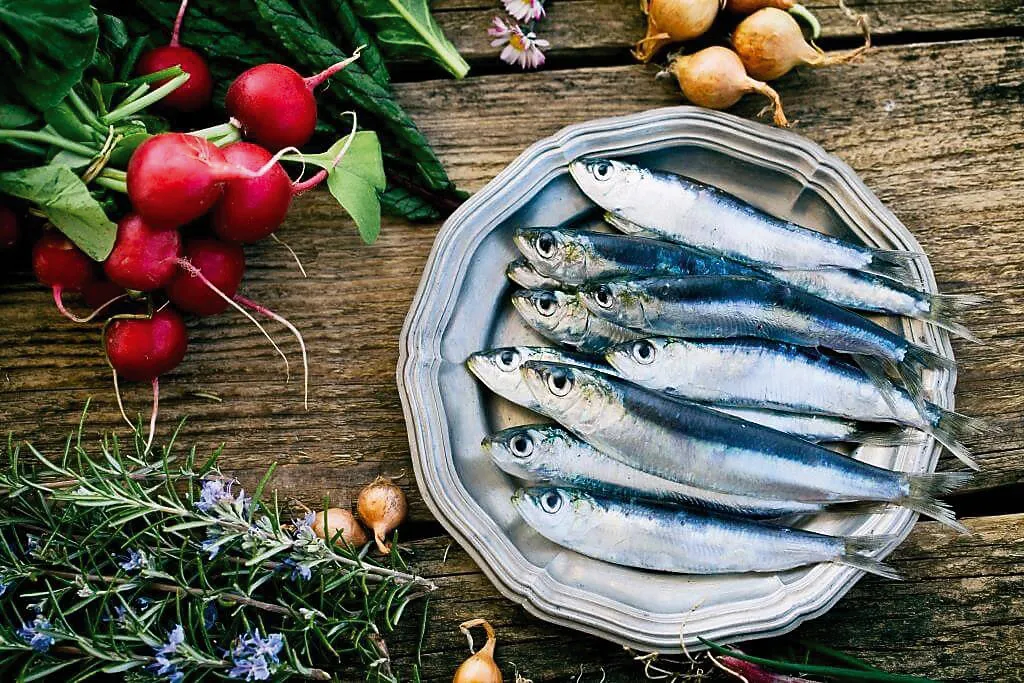
When imported into Ukraine, sardines undergo inspections to ensure they meet established requirements, including checks of accompanying documents and product safety. The State Service of Ukraine for Food Safety and Consumer Protection notes that specialists monitor the quality of imported fish products, including potential levels of harmful substances, particularly mercury.
Recently, foreign media have increasingly reported on the health benefits of sardines—as a source of protein, omega-3 fatty acids, and beneficial micronutrients. At the same time, these canned goods are being imported into Ukraine in large quantities from various countries around the world. The State Consumer Service explained where exactly the sardines are sourced from, who inspects the products, and what criteria are used to determine their safety.
“At the state border during 2025 and in the first quarter of 2026, sardines (including canned ones) were imported into Ukraine from Greece, Ireland, Spain, Italy, China, Latvia, Lithuania, Mauritania, Morocco, Mexico, Norway, Poland, Portugal, the United States of America, Thailand, Turkey, the Faroe Islands, France, Croatia, and the Czech Republic,” the State Consumer Service replied.
What were the sardine import volumes (in tons) over the past year? Are there any statistics available for the period during the war?
According to official data, from January 1, 2025, to March 31, 2026, Ukraine imported 2,989.28 tons of sardines, including those in canned fish products. The largest shipments came from Mauritania—1,420.06 tons. Significant quantities were also imported from Morocco (772.37 tons) and Ireland (134.8 tons).
Which agencies are responsible for quality control of sardines (including canned sardines) during import and sale?
The State Service of Ukraine for Food Safety and Consumer Protection oversees the safety and quality of sardines, including canned sardines, during importation into Ukraine and subsequent sale. During importation, specialists check the accompanying documents and the products’ compliance with established requirements, and in some cases may also conduct physical inspections of the goods.
At the same time, manufacturers and importers themselves are also responsible for product safety. They are required to ensure that food products meet quality and safety requirements, are properly labeled, can be traced at all stages of supply, and are stored under appropriate conditions.
What are the main quality and safety indicators applied to sardines (fish content, mercury, impurities, etc.)?
The quality and safety requirements for sardines in Ukraine are determined by state standards and Ministry of Health regulations, the agency stated. Specifically, the product must meet microbiological safety criteria, meaning they must not contain microorganisms hazardous to health, as well as standards regarding the maximum permissible content of harmful substances (levels of heavy metals, including mercury, lead, and cadmium) and other contaminants.
• Mercury — no more than 0.5 mg/kg of fish;
• Lead — no more than 0.25 mg/kg for sardines and certain other fish species.
How many inspections or laboratory tests of sardines have been conducted over the past year?
“During the import of sardines (including canned) into the customs territory of Ukraine from January 1, 2025, to March 31, 2026, 284 compliance inspections were conducted, 47 physical inspections, and 6 laboratory tests of sardines,” the State Consumer Service replied.
Regarding product control in the domestic market, special rules have been in effect since the start of the full-scale invasion of Ukraine. In accordance with Cabinet of Ministers Resolution No. 303, scheduled and most unscheduled inspections of business entities were suspended for the duration of martial law to reduce the administrative burden on businesses during wartime, the agency added.
According to data from the regional offices of the State Food and Consumer Service in the regions and Kyiv, from January 1, 2025, to March 31, 2026, no inspections were conducted of enterprises engaged in the production or sale of sardines. Also, during this period, the agency received no inquiries or complaints regarding such products.
At the same time, in the Vinnytsia region, one unscheduled inspection was conducted at a company that processes fish products, specifically producing canned sardines. The inspection was carried out at the request of the market operator itself, and no violations were found during it, the service noted.
Are there any substandard sardines in Ukraine at all?
“During the period in question, one non-compliance was identified during an inspection of a shipment of sardines weighing 0.0575 tons (lack of an international veterinary certificate),” the experts stated.
What criteria define “high-quality and safe sardines” according to current standards or regulations?
The quality and safety of sardines in Ukraine are assessed based on several indicators: compliance of the product with the declared composition, its appearance, color, smell, taste, and consistency. The fish content and the absence of foreign impurities are also monitored.
Sardines must also meet established microbiological standards and not contain bacteria hazardous to health. Additionally, the content of contaminants, particularly heavy metals, is monitored. Maximum permissible levels of mercury, lead, cadmium, and other substances have been established for fish, and exceeding these limits is not permitted. The products must also be properly labeled, traceable, and stored under appropriate conditions at all stages of supply and sale, according to UNIAN.
Read also:
Vaping affects thousands of genes; fruit flavors are the most harmful
As a reminder, people who received the mRNA vaccine against COVID-19 had a significantly lower risk of death from both the disease itself and from any other causes.
French scientists from the Pasteur Institute warn that the H5 avian influenza virus could pose a more serious threat to humanity than COVID-19 if it mutates and begins to spread among humans.


