
Two Weeks in a Trench with the Occupier: The Heavy Price of Survival—The Story of a Ukrainian Infantryman
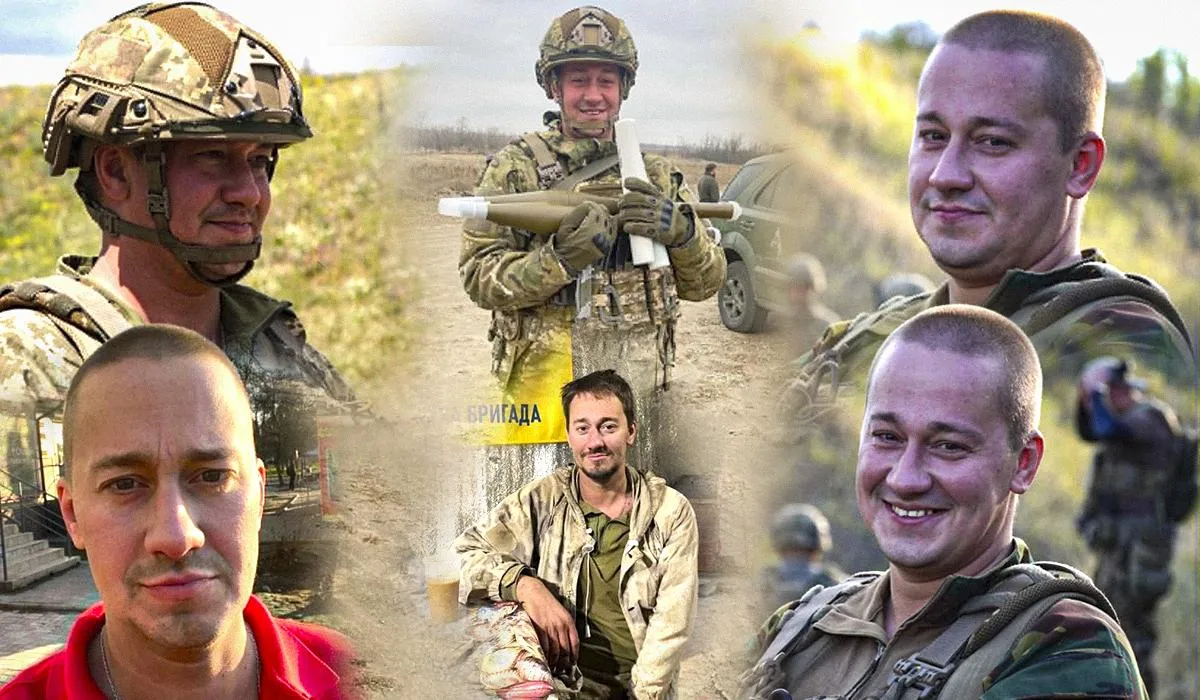
Ukrainian infantryman Vadym Letunov survived two weeks of de facto captivity in an enemy dugout, where he was held by a Russian soldier. After his release, the soldier was in serious condition, suffering from severe exhaustion and frostbite, which forced doctors to amputate one of his toes, according to UNIAN.
Vadym Letunov, a soldier with the 118th Separate Mechanized Brigade of the Ukrainian Armed Forces, shared a story that reads more like a tale of survival than a typical combat episode, as he spent two weeks in an enemy dugout, without proper food or water and unable to escape, constantly under the watch of an armed Russian soldier.
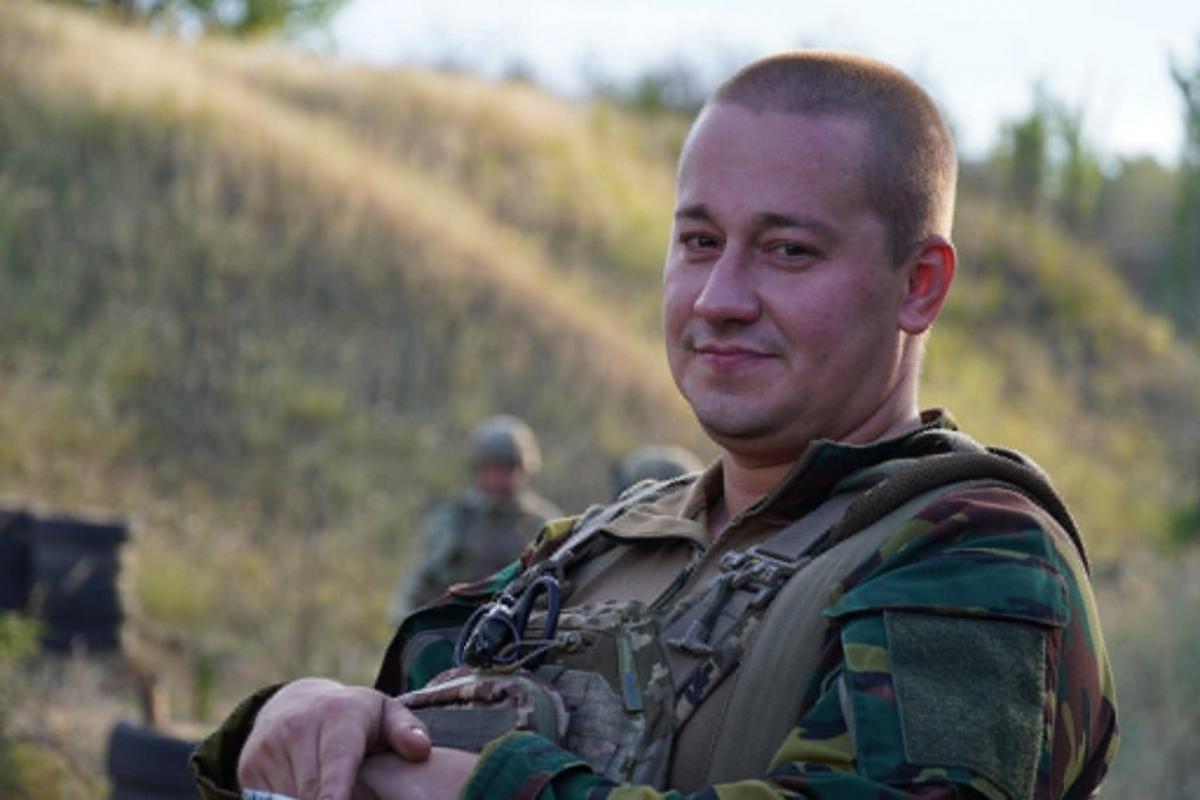
The soldier recounts that after heavy shelling and the destruction of his shelter, he found himself completely isolated, exhausted, and disoriented, and then accidentally ended up in an enemy position, where he was taken as a prisoner and spared only because he was unarmed. “He said: ‘Come in, crawl into the hole… I won’t kill you. You’re unarmed,’” the soldier recalls the Russian soldier’s words.
After that, his life was effectively confined to a narrow earthen pit, where he lay bound, unable to move properly, under constant surveillance, in a state of exhaustion, thirst, and cold.
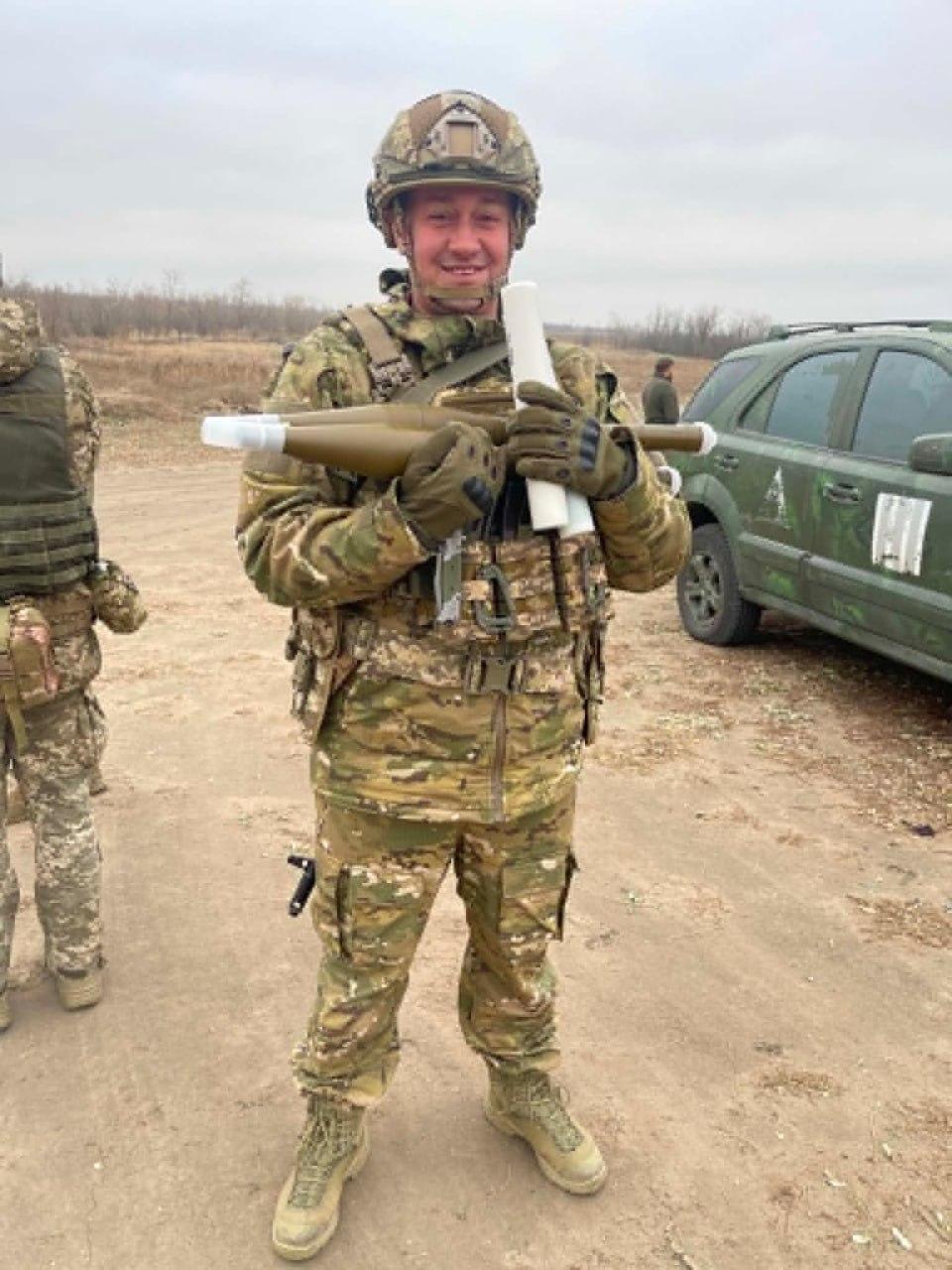
According to him, the Russian soldier would sometimes act calmly, and other times become aggressive, creating a constant sense of danger, as the situation could change at any moment. “There were times when he spoke normally, and then suddenly started shouting and threatening me with his automatic rifle,” Letunov recounts.
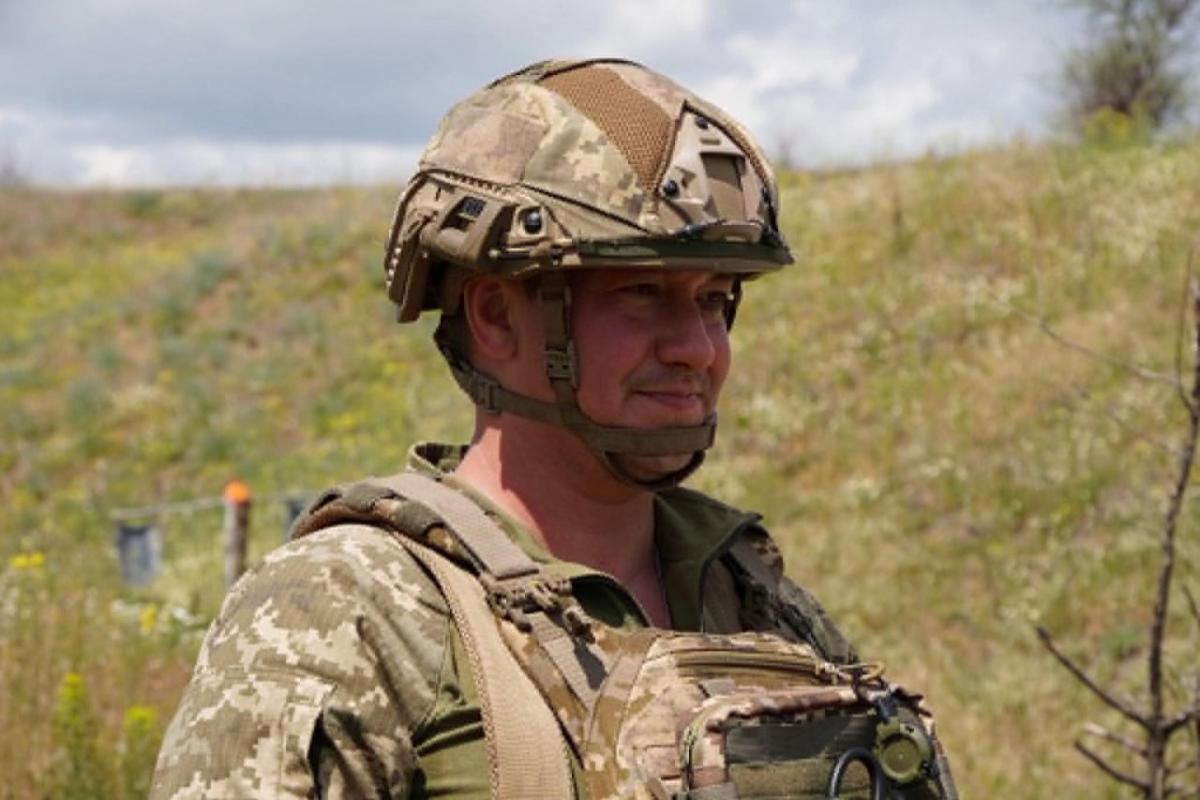
He adds that the pit offered no decent living conditions: the cramped space, the inability to turn around, the constant dampness and cold, as well as the lack of water and food, gradually wore his body down to a critical state.
At times, the Russian would give him a little water or food, but it wasn’t enough, and the soldier quickly lost strength and weight. During his time there, he lost more than 30 kilograms, and due to severe frostbite, he suffered serious injuries to his feet, which later led to the amputation of a toe. “I was dehydrated and exhausted—I lost over 30 kg. Because of severe frostbite, the doctors had to amputate a toe on my foot,” the soldier said.
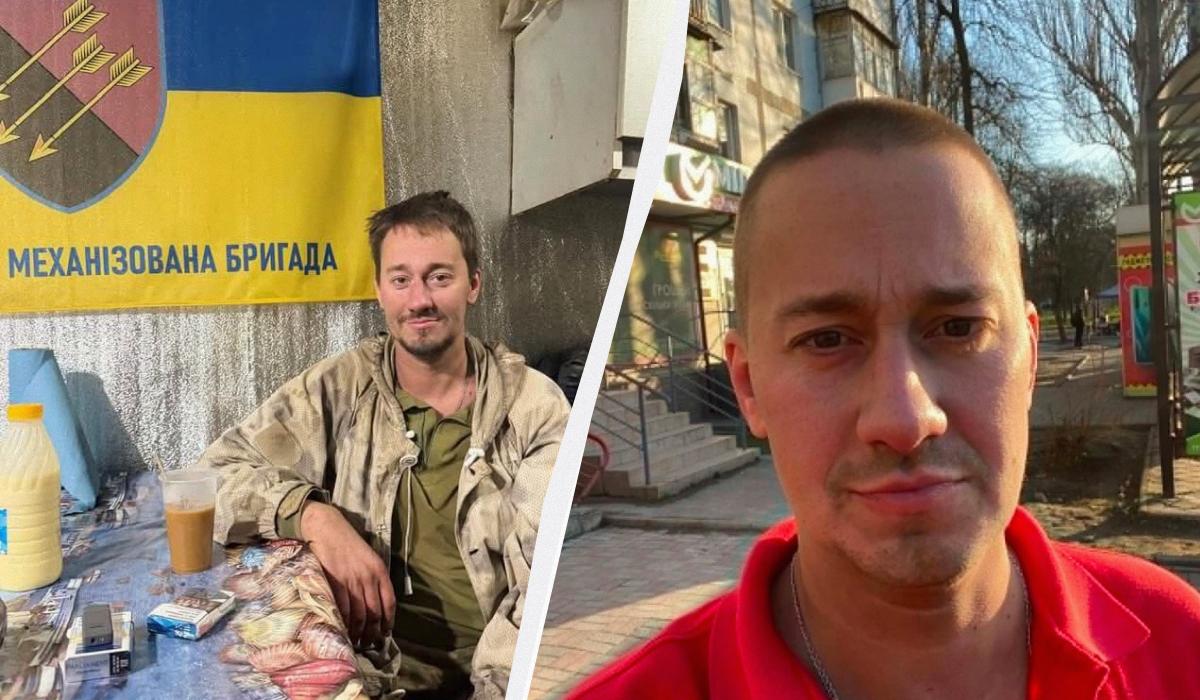
Since his release, he has been undergoing a difficult rehabilitation process, learning to walk with crutches, and dealing with the effects of concussions and pain that intensifies even after brief physical exertion. “Right now, I’m learning to walk with crutches… I can’t walk more than 200 meters without resting,” he says.
Separately, the soldier admits that he still has trouble sleeping and is forced to take medication, including antidepressants, because his experiences have seriously affected his mental health and nervous system.
Despite this, he tries to maintain inner resilience and speaks about his experience without unnecessary drama, emphasizing that the hardest part was not only physical but also mental—the constant fear that the situation could end in death.
He also recounts that while in the dugout, he tried to establish at least some contact with the Russian soldier, sometimes joking or mimicking his behavior to reduce the risk of aggression.
According to him, the Russian soldier was often unpredictable, with emotional swings and strange beliefs shaped by propaganda. “He said that Ukrainians are fascists and that everyone will die,” the soldier recounts.
Letunov also notes that he has no illusions that the Russian side might change its position anytime soon, since, in his view, propaganda deeply influences the soldiers’ minds. At the same time, he recalled a moment when he heard the Ukrainian national anthem and a moment of silence after his release, and it was then that the Russian soldier reacted emotionally and with surprise for the first time upon hearing it.
The soldier explained the origin of his call sign “Cartman,” which he took from the animated series “South Park,” adding that even in the hardest moments he tried to cling to humor and self-irony so as not to lose control of himself.
Despite what he has been through, Letunov says he would like to return to service if his health permits, as he cannot imagine his life outside the army, and he cites ending the war and returning to a normal life with his family as his main dream. “I just want to be a husband to my wife, a father to my child, and a son to my mother,” he concluded.
Russia attackedUkraine with 209 drones overnight; air defense forces destroyed 180 targets.
On the night of May 19, Russian troops once again attacked the Izmail district of the Odesa region. Port infrastructure facilities in Izmail came under fire.
In the Dnipropetrovsk region on May 19, more than 20 attacks involving artillery and drones were recorded, resulting in two people being wounded. The shelling damaged infrastructure facilities, administrative buildings, and private homes in several districts of the region.


