
Mushroom Hunter's Calendar for September 2026: Tips for Picking and the Most Popular Types of Mushrooms
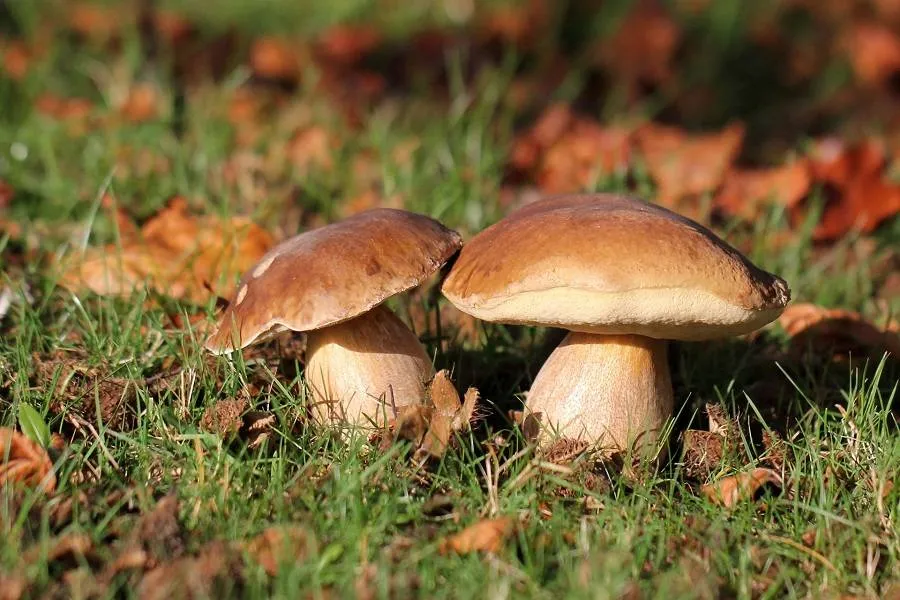
September is rightly considered the culmination and the true “golden age” of the entire mushroom season. It is during this month that nature creates the most favorable conditions for mass fruiting: the heat accumulated in the soil over the summer meets the first heavy autumn rains, while cool nights and thick morning mists saturate the forest floor with the necessary moisture.
Unlike the sweltering summer, when mushrooms often spoil quickly or become wormy, the September harvest is distinguished by its exceptional firmness, purity, and rich flavor. In September, the autumn forest turns into a veritable treasure trove for lovers of “quiet hunting.” During this period, you can find both late-summer species and abundant autumn mushroom colonies in the woods at the same time. Thanks to the moderate temperatures, mushrooms grow evenly and stay fresh for a long time, giving mushroom hunters the opportunity to gather a bountiful harvest for drying, pickling, marinating, and preparing culinary masterpieces.
Features of the Mushroom Season in September
Throughout the first half of September, species that first appeared in late summer continue to fruit actively, while the second half of the month marks the peak of growth for purely autumn mushrooms. Thick morning fogs and abundant dew saturate the forest floor with moisture, and the absence of sweltering heat helps keep the mushrooms firm and clean for a long time. During this period, good mushroom spots can be found in virtually all types of forests—from dry pine forests to moist oak and birch groves.
Main Types of the September Harvest
Porcini mushrooms—grow in pine, oak, and birch forests. Look for them in sun-warmed clearings, forest edges, and mossy glades.
Autumn honey mushrooms—are found on old stumps, fallen trunks, and clear-cut areas. They grow in large clusters and colonies on cut wood.
Butter mushrooms—prefer young pine plantations and coniferous forests. They hide in coniferous litter on well-lit hillsides.
Aspen and birch mushrooms—grow in aspen stands, birch groves, and moist ravines directly near the roots of the corresponding deciduous trees.
Red-capped mushrooms and honey mushrooms—inhabit spruce and pine forest strips. They prefer moist coniferous litter and sandy soil.
Chanterelles are common in mixed forests and on mossy ground. They continue to grow actively in large groups in moist grass.
Rules for Harvesting and Processing
It’s best to pick mushrooms early in the morning, when the first rays of sunlight glint off their moist caps, making them easier to spot among the fallen leaves. You should cut or carefully twist the mushroom off so as not to damage the mycelium, which will continue to produce mushrooms in the coming weeks. The main safety rule is to place only those specimens in your basket whose edibility is beyond doubt. Do not pick overripe or damaged mushrooms, and avoid searching for them near roads or industrial areas. The entire harvest must be sorted and cooked on the day it is gathered, as the protein in mushrooms spoils quickly at room temperature.


