
Magnetic Storms in August 2026: Dates to Watch Out For
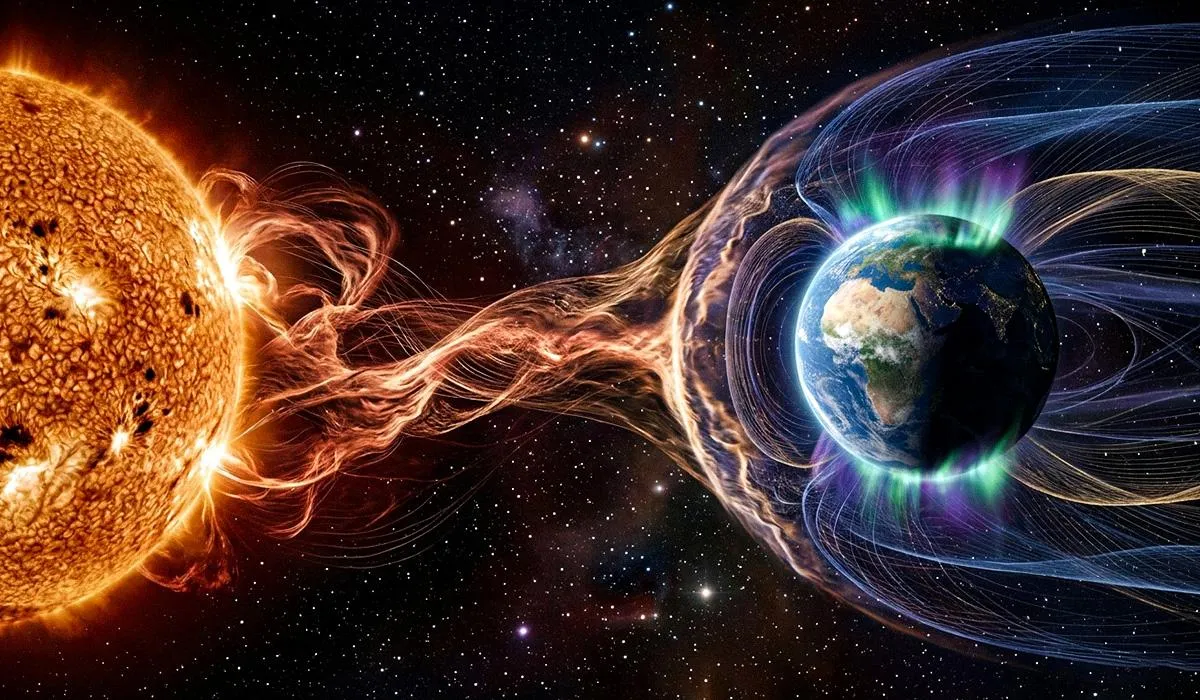
In August 2026, several periods of solar activity are expected that could affect the well-being of weather-sensitive people and the operation of electronic devices. The National Oceanic and Atmospheric Administration (NOAA) Space Weather Prediction Center has released a preliminary schedule of geomagnetic disturbances for the last month of summer.
What Is a Magnetic Storm?
Magnetic storms are disturbances in the Earth’s magnetic field caused by the planet’s interaction with solar wind streams. When powerful solar flares occur on the Sun, a huge number of charged particles are ejected into space, reaching the Earth’s atmosphere within 1–3 days. The interaction of solar plasma with Earth’s magnetic field causes disturbances that can last from a few hours to several days in a row.
Magnetic Storm Calendar for August 2026:
August 4–6 — mild magnetic storm. Possible slight mood swings, mild discomfort, and rapid fatigue.
August 14–16 — moderate magnetic storm. During this period, headaches, fluctuations in blood pressure, weakness, irritability, and a general feeling of malaise are possible, especially in people with cardiovascular or chronic conditions.
August 29–31 — a strong magnetic storm. This marks the peak of solar activity for the month, which may be accompanied by severe headaches, exacerbation of chronic conditions, and malfunctions in navigation systems.
What magnetic storms affect:
Effects on humans:
Severe headaches or migraines.
Increased anxiety, irritability, and sudden mood swings.
Sleep disturbances (insomnia or excessive sleepiness).
Pain in joints and muscles, and general weakness.
Effects on equipment:
Disruption of communication satellites.
Errors and malfunctions in GPS navigation.
Power surges in electrical grids.
Temporary deterioration in the quality of mobile communications and the internet.
Recommendations during magnetic storms in August:
Monitor your blood pressure: Keep necessary medications on hand if you have hypertension or cardiovascular disease.
Reduce your workload: On days of peak activity (August 25–27), avoid strenuous physical labor and stress.
Stay hydrated: Drink more water and limit your intake of coffee, energy drinks, and alcohol.
Spend time outdoors: Evening walks will help oxygenate your blood and make it easier to fall asleep.
Take a contrast shower: provided there are no contraindications, this will help maintain vascular tone.
Source: spaceweather.gov
Traces of a lost planet the size of the Moon may have been found in the Solar System
Six planets will line up in a row at the end of February 2026


