
The Winemaker's Calendar for August 2026: What to Do and Which Fruits to Use for Winemaking
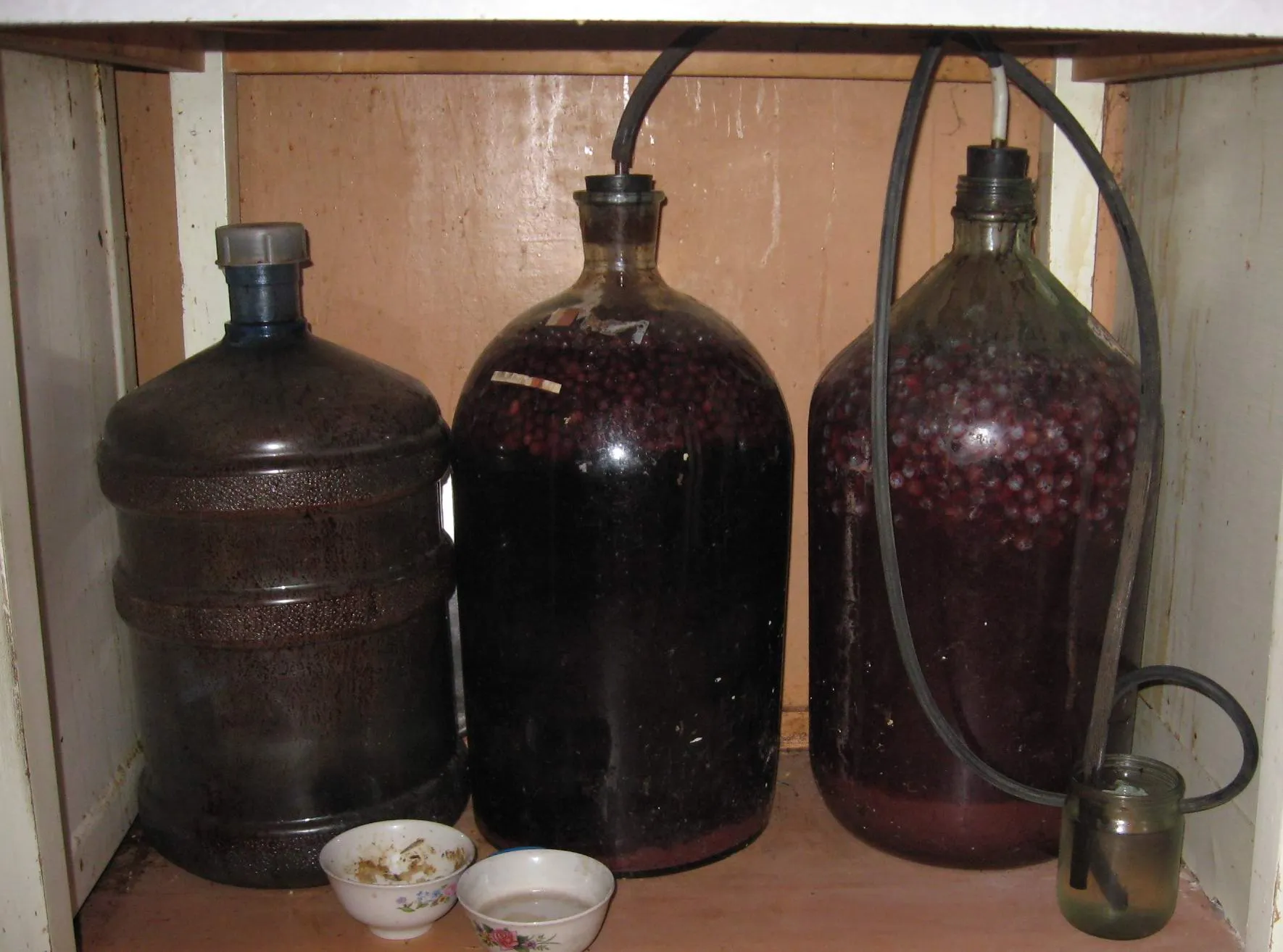
August is one of the most important and busiest months in every winemaker’s annual cycle; it marks the start of the fruit and berry harvest season and the early grape-making season.
It is at the end of summer that the long-awaited practical season of processing raw materials, fermentation, and bottling new beverages begins. While previous work in the orchard or vineyard was focused on growing the fruit, now everything depends on the winemaker’s skill in the winery: it is essential to correctly determine the moment of ripeness, properly prepare the equipment, maintain the correct temperature conditions, and prevent the introduction of harmful bacteria.
The main feature of August winemaking lies in its diversity. While traditional grape winemaking in most regions is just gearing up for its peak season, August offers a unique opportunity to create a rich variety of fruit and berry wines, ciders, fruit liqueurs, and fruit-based spirits. Fruits and berries at the end of summer are at their peak in natural sugars, aromatic compounds, and acids, allowing for the production of high-quality beverages—ranging from light and fresh table wines to full-bodied, robust, and dessert wines.
In addition, August requires winemakers to exercise heightened control over hygiene and the microclimate. Due to high ambient temperatures, fermentation processes can proceed too vigorously, which risks the loss of delicate aromas or even the spoilage of the must. That is why it is critically important this month to prepare a cool storage area, clean all equipment to perfection, and carefully plan the schedule for harvesting and processing the crop.
Which fruits and berries are used to make wine in August
August offers the richest variety of raw materials for producing single-varietal and blended fruit and berry wines.
Fruit and berry raw materials
Gooseberries and currants: Late varieties are harvested in early August. Gooseberry wines have a delicate structure and, in terms of flavor profile, resemble dry white grape wines (such as Sauvignon Blanc). Red and white currants produce clear, beautiful wines with high natural acidity that are wonderfully refreshing.
Raspberries and blackberries: These are harvested throughout August. They are the ideal raw materials for bright, ruby-red dessert and fortified wines with a rich bouquet. The skins of these berries contain a large amount of active wild yeast, so the juice ferments easily.
Apples and pears (early varieties): August marks the start of the mass harvest of summer apples for making light apple wine and traditional cider. Juicy summer pears are used to make a distinctive, aromatic drink called perry (pear cider).
Plums, cherry plums, and peaches: From mid-August through the end of the month, these fruits are used to make thick, rich, and full-bodied dessert wines with a pronounced fruity aroma. Since these fruits contain a lot of pectin, their must requires the mandatory addition of pectin-degrading enzymes to break down the pulp and clarify the juice.
Cherries and sweet cherries (late varieties): These are used to make thick, dark wines with a characteristic stone fruit flavor and almond notes, as well as for infusing strong homemade liqueurs.
Grapes, ultra-early and early varieties: In late August, in warm regions, the harvest of the first grapes begins (varieties such as Solaris, Crystal, Bianca, and Muscat Golodriga). They have already accumulated enough sugar to produce the first white, rosé, and light table wines of the new season.
When and What to Do at the Winery: August 2026 Work Schedule
First Decade (August 1–10)
Preparing the premises and equipment: Thoroughly disinfect fermentation vessels (glass demijohns, oak barrels, stainless steel tanks). Treat equipment (presses, crushers, hoses) with a potassium metabisulfite solution or boiling water.
Processing the berry harvest: Harvesting and processing raspberries, blackberries, and gooseberries. Initiating fermentation processes using wild or pure yeast cultures (PYC).
Second Decade (August 11–20)
Production of apple cider and wines: Active juicing of summer apple varieties. Start of primary (vigorous) fermentation of apple must at a temperature of 18–22°C.
Racking of July wines: First racking (refining) of wines made from June–July raw materials (strawberries, cherries, mulberries) that have completed still fermentation.
Third Decade (August 21–31)
Monitoring grape sugar content: Measuring sugar levels (Brix) and acidity in early-ripening grape varieties using a refractometer or sugar meter.
Start of the grape harvest: Harvest early varieties for white and sparkling wines once sugar levels reach 19–21 Brix.
Primary grape must: Crushing the harvested grapes, pressing (for white wines), or maceration on the skins (for rosé and red wines), followed by sealing with a water seal.
Golden Rules of August Winemaking
Maintaining the correct temperature: The August heat is dangerous for fermentation. The room temperature should not exceed 22–24°C for white and berry wines and 26°C for red wines; otherwise, the yeast may die, and the wine will turn to vinegar.
Monitoring the water seal: Once quiet fermentation begins, all containers must be hermetically sealed with water seals to prevent the must from coming into contact with oxygen and bacteria.
Adjusting the Acidity of Fruit Wines: Most berries and fruits (except grapes) have either too high an acidity (red currants, gooseberries) or too low an acidity (peaches, pears). To achieve balance, the juice is either diluted with purified water and sugar or citric/tartaric acid is added.


