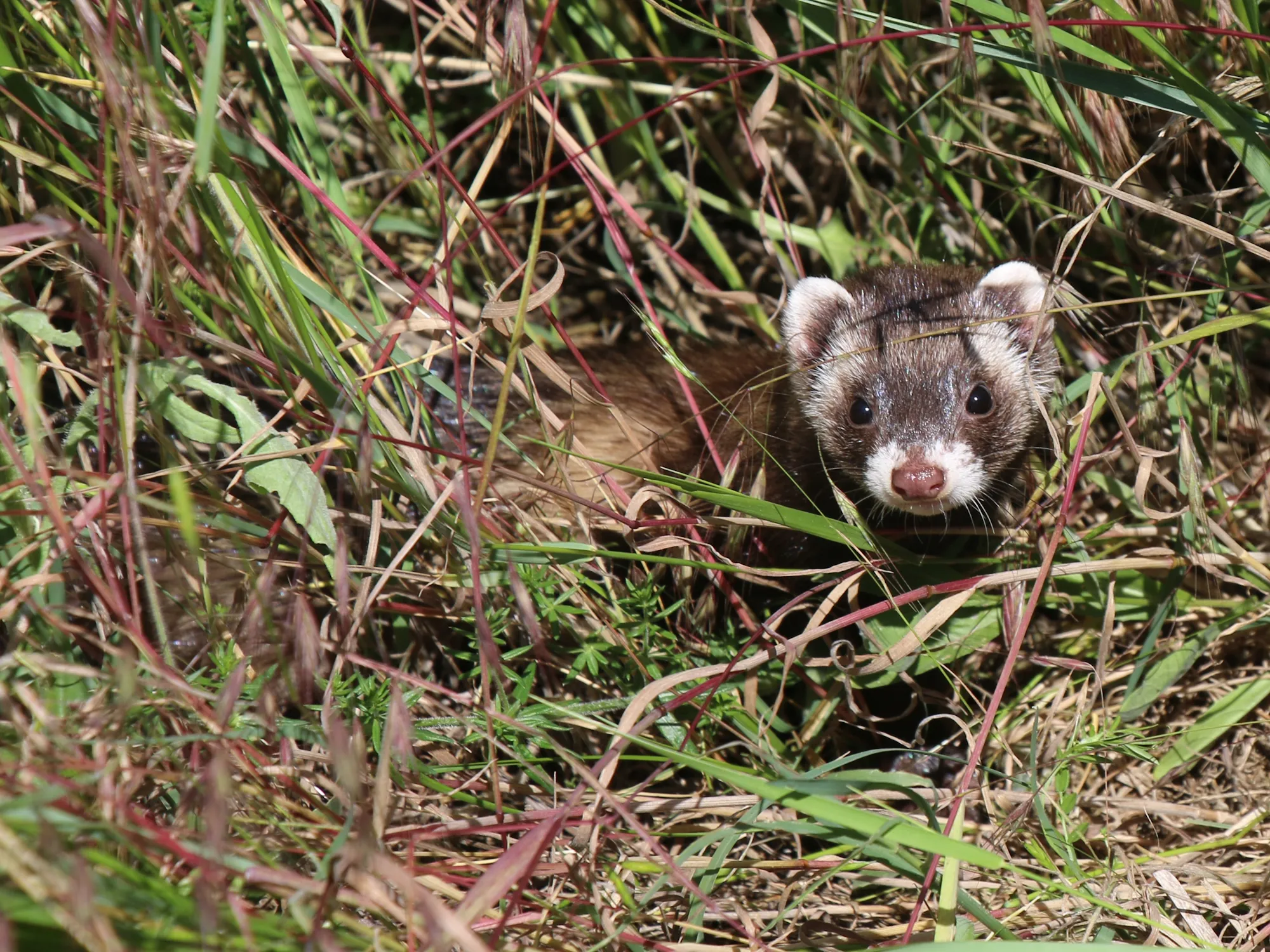
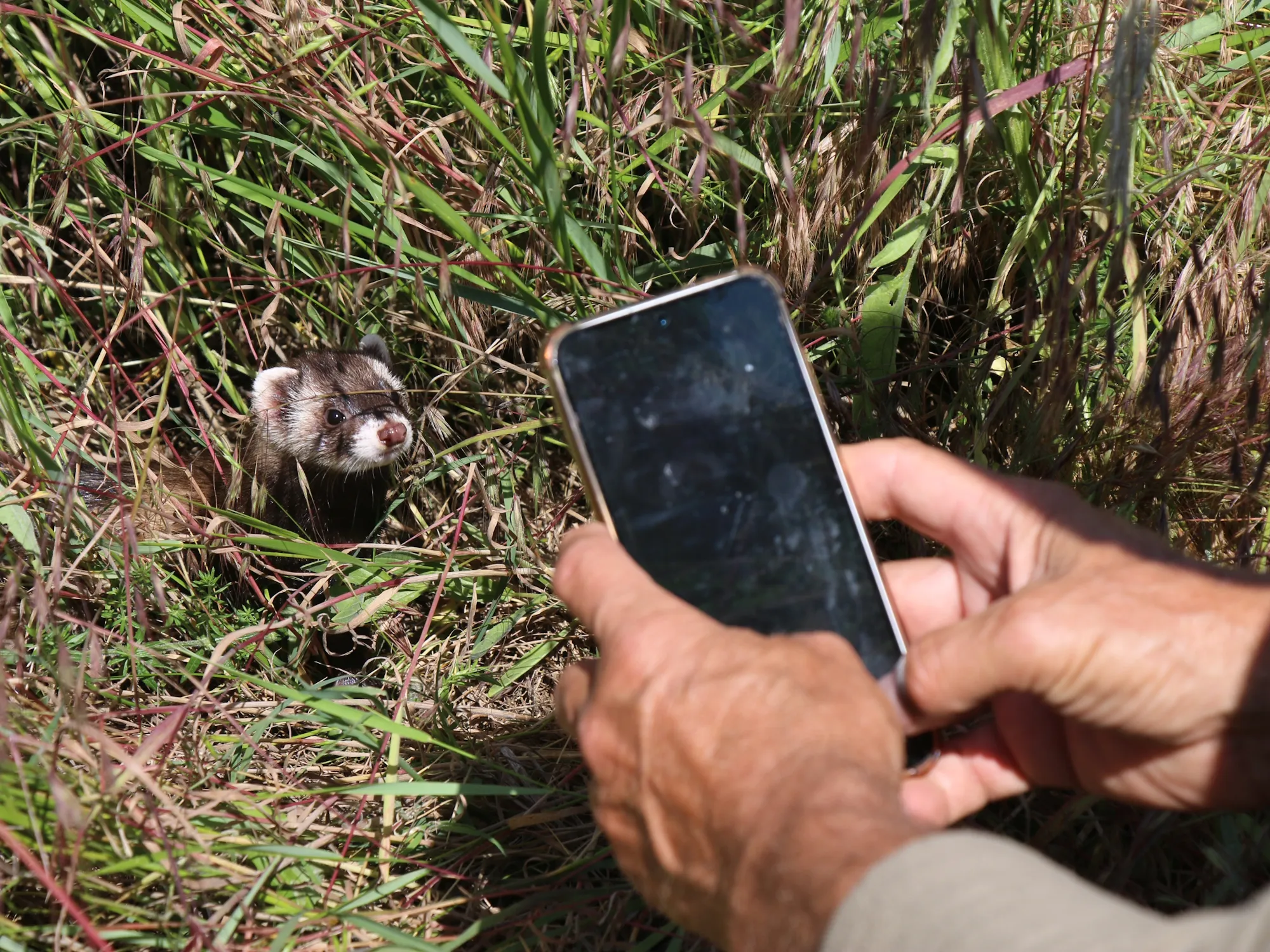
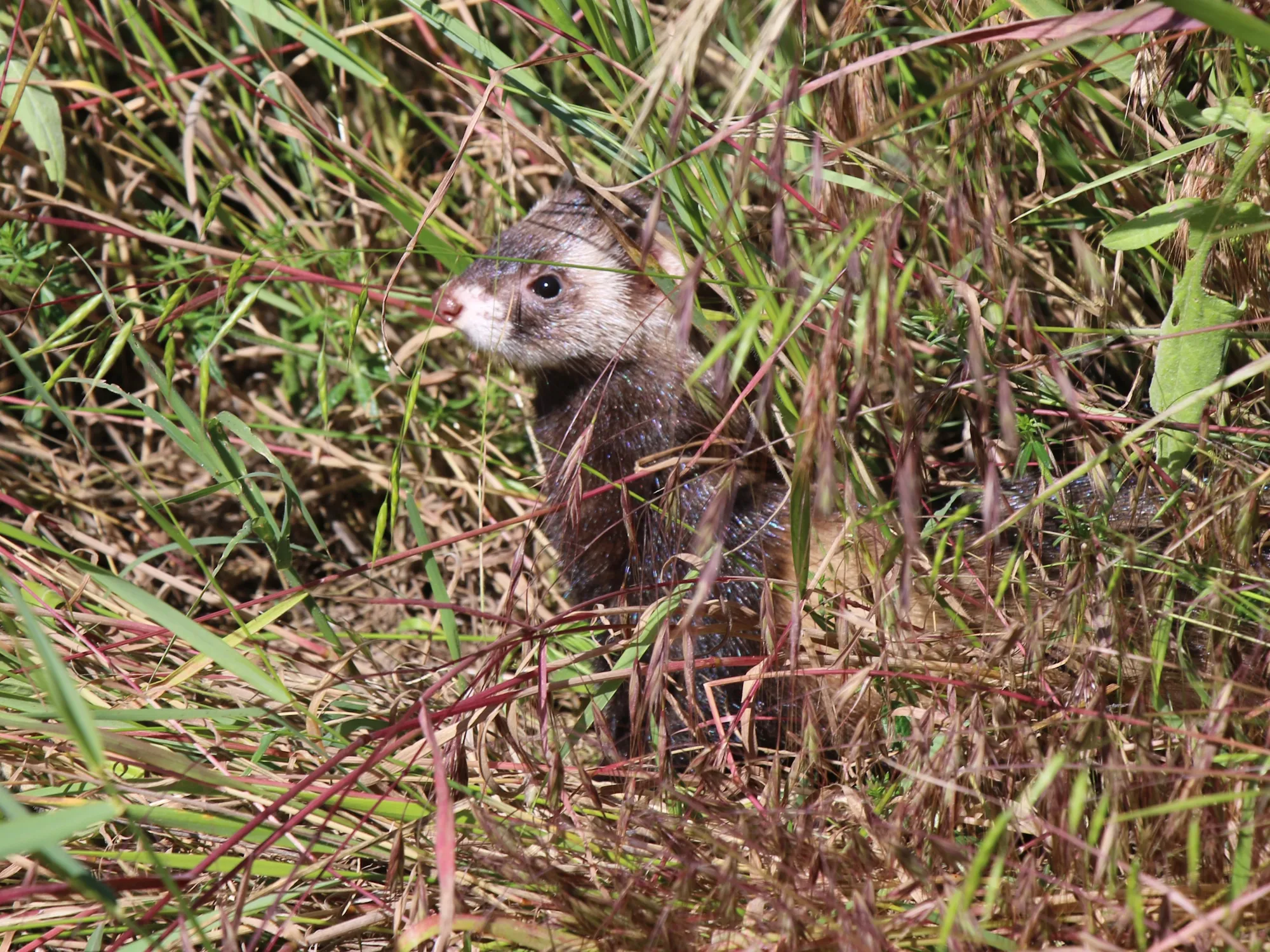
In the Lower Dniester National Nature Park in the Odesa region, two rare forest polecats—which had previously been removed from their natural habitat by humans—were released back into the wild.
After a long rehabilitation period, the animals successfully returned to the wild.
“Here, in the national park, they will be fine,” emphasized scientist Ivan Rusev.
According to experts, two young female forest weasels, who underwent rehabilitation under the supervision of volunteers, were returned to their natural habitat.
The story of the ferrets began in the Izmail district of the Odesa region, where they were removed from the wild while still young.
People tried to tame the animals, but this attempt proved unsuccessful.
“Experts refer to such cases as ‘passive poaching’—when wild animals are taken from nature without malicious intent, but contrary to the laws of nature and common sense,” explained officials at the national park.
Fortunately, the ferrets did not live near people but were kept in an uninhabited building. This allowed them to retain their natural instincts and avoid becoming accustomed to humans.
After being seized, the animals were handed over to Victoria Moiseeva, a volunteer and wildlife rehabilitator.
During rehabilitation, it was determined that the animals:
avoided contact with people;
built hiding places and nests out of hay;
exhibited natural caution;
reacted to potential danger, particularly from birds of prey.
Experts note that this behavior indicates the animals’ readiness for independent life in the wild.
The European polecat (Mustela putorius) has been under state protection since 2009 and is listed in the Red Book of Ukraine with the status “vulnerable.”
The animal inhabits floodplain forests, shrublands, river valleys, and other natural landscapes. In the Dniester Delta, forest weasels are found among reed beds, floodplain forests, and along the banks of water bodies.
The release took place on the “Whisper of the Floodplains” nature trail, where floodplain forests, meadows, dense thickets, and wetlands combine to create favorable conditions for this species.
Researchers note that after the transport cage was opened, the animals were in no hurry to leave their shelter. Forest weasels are known for their caution—they may spend a long time studying new smells and listening to surrounding sounds before beginning to explore the territory.
The forest weasel is a vital component of natural ecosystems, as it helps regulate the populations of rodents, frogs, small birds, and other animals.
At the same time, due to the loss of natural habitats, human persecution, and a declining population, this species requires special protection and support from conservation programs.
The return of the predators was reported by Dr. Ivan Rusev, a Doctor of Biological Sciences, who witnessed the release of the animals within the national park.
Earlier, in the Chornobyl Radiation-Ecological Biosphere Reserve, researchers recorded a mass flight of the Red Book beetle—the musk weevil (Tylosceles muscarius).
Earlier, a unique event was recorded in the Chornobyl Radiation-Ecological Biosphere Reserve—the birth and banding of black stork chicks, a species listed in Ukraine’s Red Book.
As a reminder, during the war in Ukraine, red-listed predators of the Mustelidae family—weasels—began to reappear, having been virtually unseen in the country’s wild for decades.
We have also previously reported that African elephants use unique vocal signals to identify each individual in the herd.