
Ombudsman Lubinets accused the Red Cross of inaction regarding prisoners of war
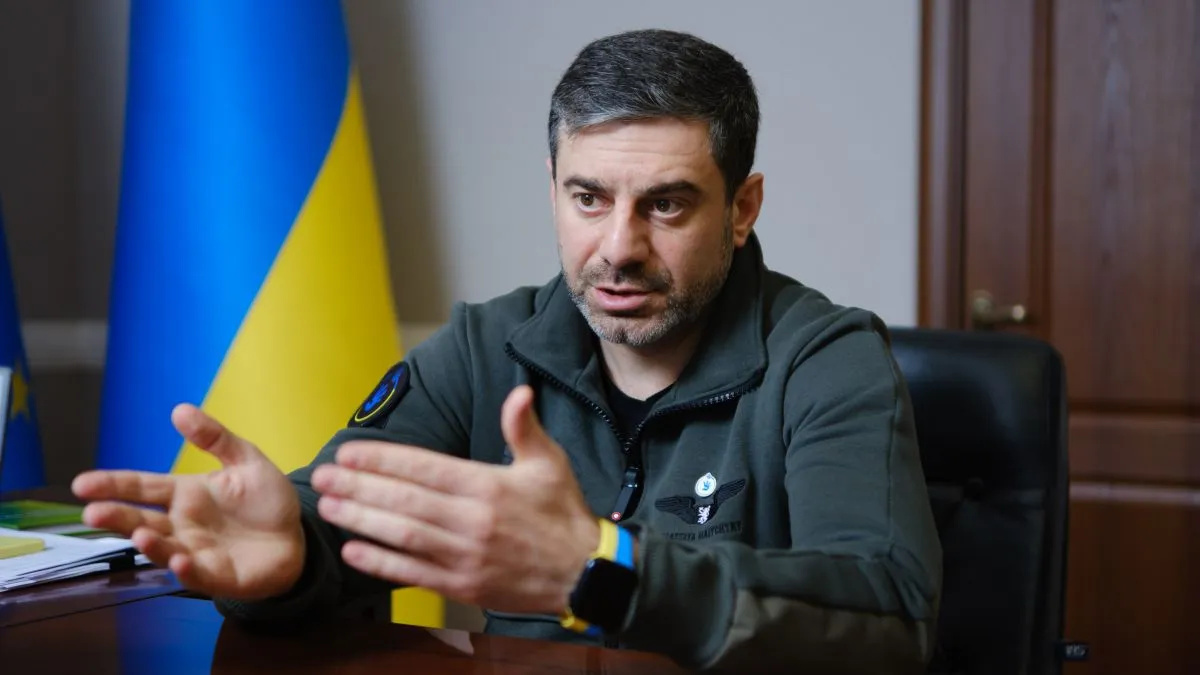
Dmytro Lubinets, the Ukrainian Parliament’s Commissioner for Human Rights, has harshly criticized the International Committee of the Red Cross (ICRC), accusing the organization of systematically failing to fulfill its mandate to protect Ukrainian prisoners of war.
The ombudsman made this statement on May 22, 2026, in Kyiv during the presentation of a large-scale documentary project titled “Made in Russia. Taken Captive,” dedicated to war crimes and torture committed by the Russian Federation against Ukrainians, reports UNIAN. Despite an official invitation, ICRC representatives once again ignored the event.
Dmytro Lubinets emphasized that the ICRC has completely withdrawn from monitoring the conditions of detention of Ukrainians in Russian prisons, using the Russian Federation’s regular refusals as an excuse. According to the ombudsman, this position is an unacceptable excuse: if Russia blocks access, the Red Cross is obligated to publicly declare this on the international stage, rather than conceal the facts. As an example of inaction, Lubinets cited the tragedy in Olenivka, where the ICRC limited itself to merely verifying the killing of 53 Ukrainian prisoners of war, without taking any effective action in response. Representatives of the organization explain their passivity by adherence to the principle of “neutrality,” which allegedly requires exclusively behind-the-scenes diplomacy. Since the United States is the organization’s largest donor (providing 37% of the budget), Ukraine has already officially called on the ten main financial sponsors of the ICRC to exert decisive influence on the committee’s leadership.
At the same time, important information regarding the repatriation process for Ukrainian citizens was released during the event:
Status of the “1,000 for 1,000” negotiations: Dmytro Usov, Secretary of the Coordination Headquarters for the Treatment of Prisoners of War, reported that the Ukrainian side has effectively completed the verification phase for the next large group of people. This large-scale exchange is being prepared with the mediation of U.S. President Donald Trump.
Format of the upcoming release: The upcoming exchange will be a combined one. It will include both some of the prisoners under the second phase of the “1,000 for 1,000” formula and individuals whose return has been secured through separate agreements reached via other negotiation channels of the Coordination Headquarters.
Position of the Ombudsman’s Office: Dmytro Lubinets refrained from making detailed predictions regarding exact dates for a breakthrough until the actual return of the individuals, but assured that the state is doing everything possible to secure the release of both military and civilian hostages.
The Coordination Headquarters for the Treatment of Prisoners of War reported that exchange negotiations between Ukraine and Russia are ongoing. The Ukrainian side has submitted the so-called “List of 1,000,” compiled based on the length of time individuals have spent in Russian captivity.
According to Yury Ushakov, an adviser to the Russian dictator, Ukraine and Russia are currently working on lists of people who could be included in the exchange. “Today, the agencies of the Russian Federation and Ukraine are to finalize the lists for the prisoner of war exchange within the framework of the ceasefire. A 1,000-for-1,000 prisoner exchange between Russia and Ukraine could take place fairly quickly if the lists are agreed upon,” Ushakov told Russian media.


