
Holiday on July 20, 2026: Perun's Day serves as a reminder of the ancient beliefs of the Slavs
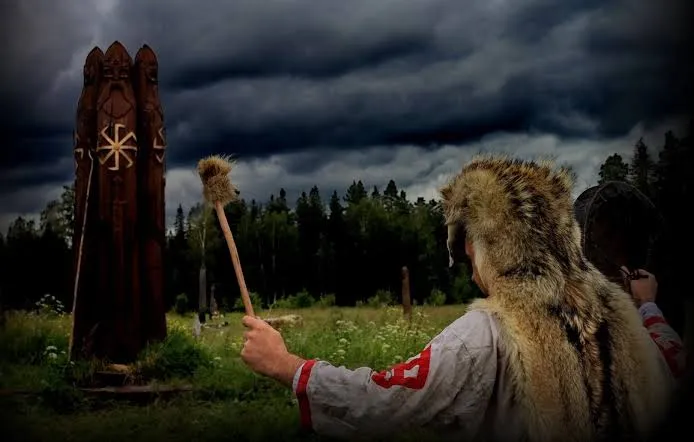
On July 20, the Slavic tradition commemorates Perun—one of the most important gods of the pre-Christian pantheon. He was considered the patron of thunder, lightning, warriors, justice, and strength, as well as the protector of people and the harvest.
Although this holiday lost its official status after the Christianization of Rus’, the memory of it has been preserved in folk traditions, legends, and folklore. Today, Perun Day is an opportunity to learn more about the culture and beliefs of our ancestors.
Every year on July 20, enthusiasts of Slavic culture and researchers of ancient traditions celebrate Perun Day. This holiday is associated with one of the most revered gods of Slavic mythology, who was considered the lord of thunder and lightning, the patron of warriors, the defender of the state, and a symbol of justice.
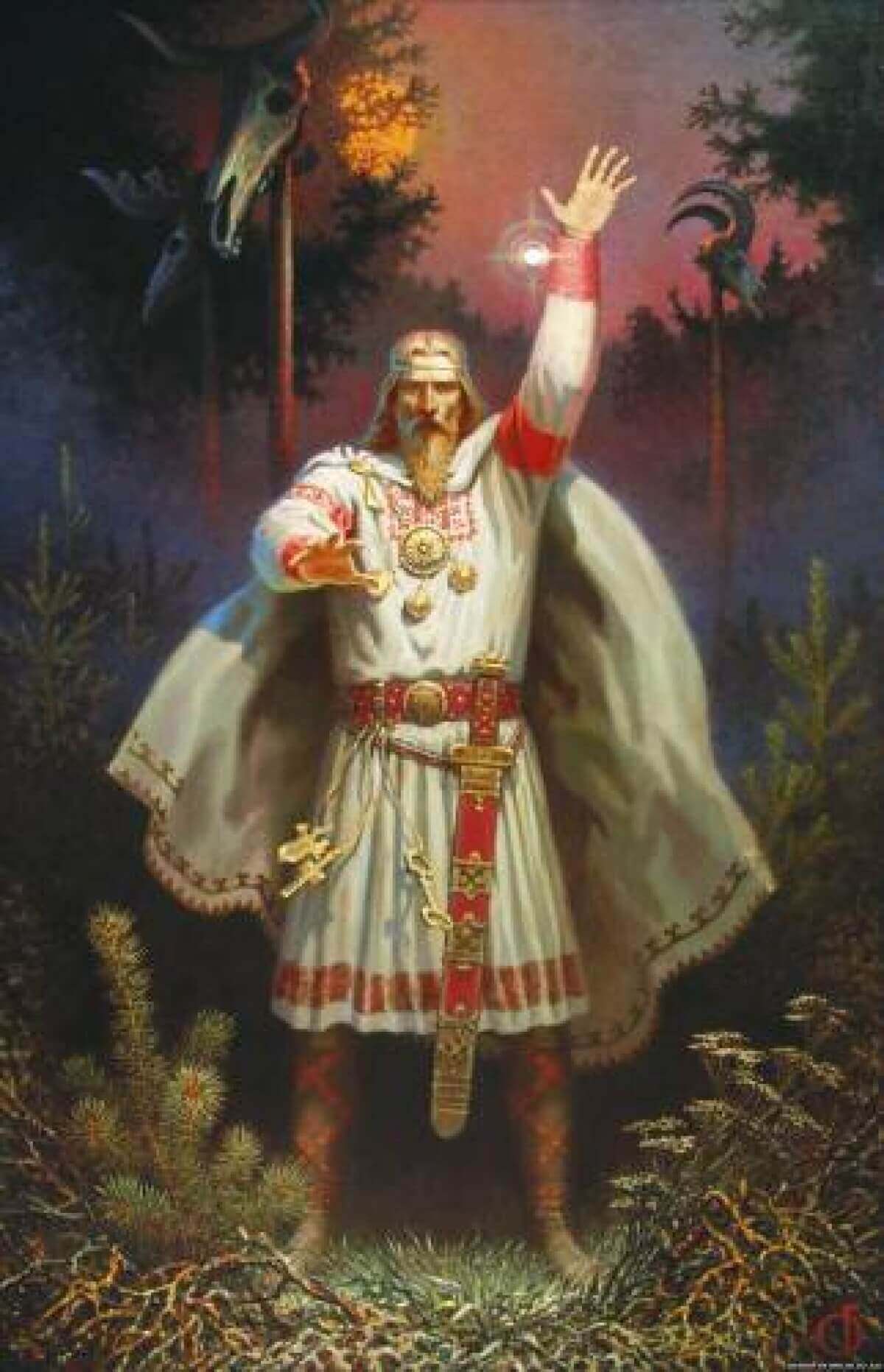
In ancient times, people prayed to Perun for protection from enemies, a bountiful harvest, and timely rains. They believed that he alone controlled the forces of the heavens, punished liars and those who broke their oaths, and helped the honest achieve victory. Today, this holiday is not an official one, but it remains an important part of the history of Slavic culture and serves as a reminder of our ancestors’ worldview long before the adoption of Christianity.
Who Is Perun?
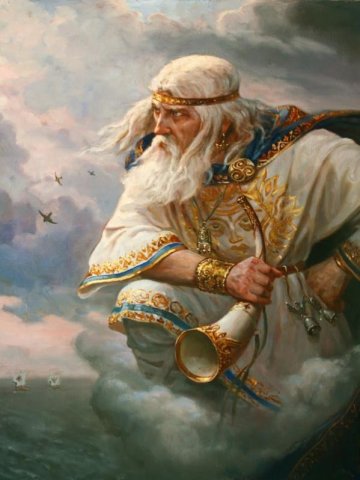
Perun was one of the principal gods in the pantheon of the Eastern Slavs. He was considered the supreme protector of warriors, princely retinues, and the entire community. He was most often depicted as a strong man holding weapons. According to legend, Perun raced across the sky in a chariot, and the rumble of thunder was the sound of its wheels. People perceived lightning as his mighty weapon, with which he punished evil.
In addition to military might, Perun was a symbol of honesty, order, and justice. It was before him that the most important oaths were sworn, for it was believed that breaking a promise would inevitably lead to punishment. The oak was considered Perun’s sacred tree. It was near these ancient oaks that rituals were often performed, offerings were made, and protection was sought for the family and the community.
Why was the holiday celebrated on July 20?
For the Slavs, this time of year was particularly important for farmers. By mid-summer, the season of heavy rains was coming to an end, grain crops were beginning to ripen, and people prayed that bad weather would no longer harm the upcoming harvest.

That is why people turned to Perun with requests for clear weather, a bountiful harvest, and protection for the fields from storms and lightning. The holiday also symbolized the power of nature, which people respected and sought to live in harmony with.
How Perun Day Was Celebrated
In ancient times, on this day, the Slavs would gather near sacred oak trees, where they performed rituals and offered communal prayers. They brought gifts to Perun—bread from the new harvest, honey, drinks, and the meat of sacrificial animals. In different regions, this could be a bull, a wild boar, or a rooster. People believed that in this way they were thanking the god for his protection and asking him for prosperity in the future.
After the rituals, they held large folk festivals featuring communal feasts, singing, and military games. Young men demonstrated their strength and skill with weapons and participated in various competitions. Special attention was paid to the warriors. It was believed that Perun himself helped them in battle, so on this day they could consecrate their weapons or swear oaths of loyalty to the community.
Folk Omens and Beliefs
Many ancient superstitions are associated with Perun Day. Our ancestors believed that on this day, evil spirits tried to hide from the thunder by transforming into various animals. That is why domestic animals were often not allowed into homes, so that evil would not enter along with them.
People also tried to avoid quarreling, lying, or breaking promises. It was believed that Perun punished lies, injustice, and betrayal particularly severely. If thunder rumbled on July 20, it was seen as a good sign, as people believed that the god was cleansing the earth of all evil.
How the Pagan Festival Changed After the Adoption of Christianity
After the baptism of Kievan Rus’, the official veneration of pagan gods ceased. The image of Perun was gradually replaced by that of the prophet Elijah, whom folk tradition also began to associate with thunder, lightning, and heavenly fire. That is why many features of the ancient festival were later incorporated into Elijah’s Day, which is celebrated today on July 20 according to the New Julian calendar (or August 2 according to the Julian calendar, which is observed by some Orthodox communities).
Despite this, historians note that many folk customs have much older, pre-Christian origins.
Interesting Facts About Perun
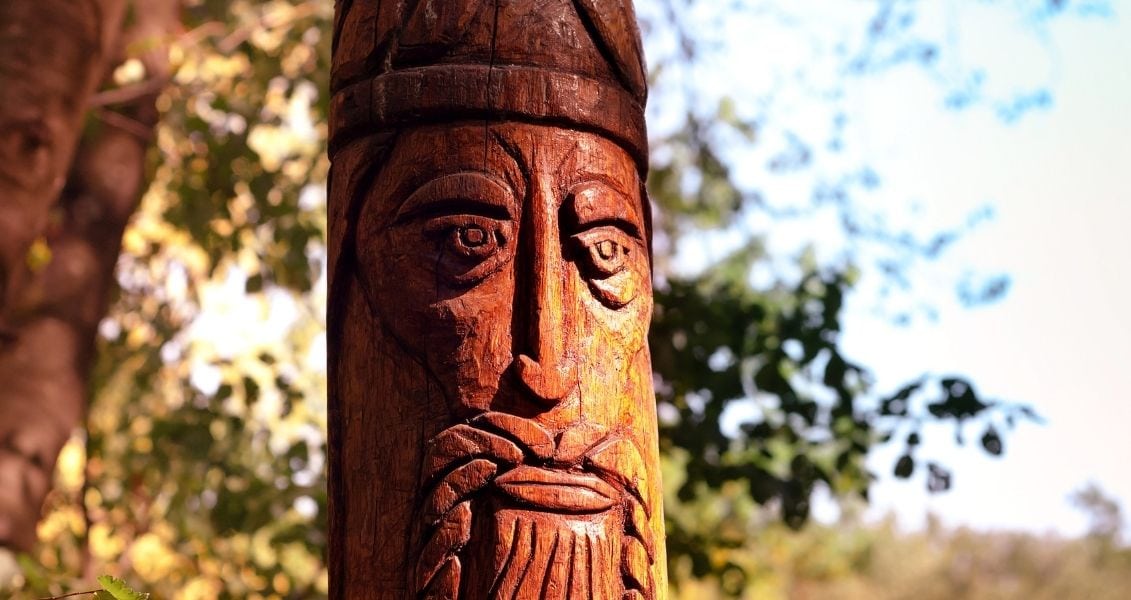
Perun was one of the few Slavic gods mentioned not only in folk legends but also in Old Russian chronicles. Even before the baptism of Rus’, Prince Vladimir the Great erected a large wooden idol of Perun in Kyiv, which served as one of the main symbols of the pagan state religion.
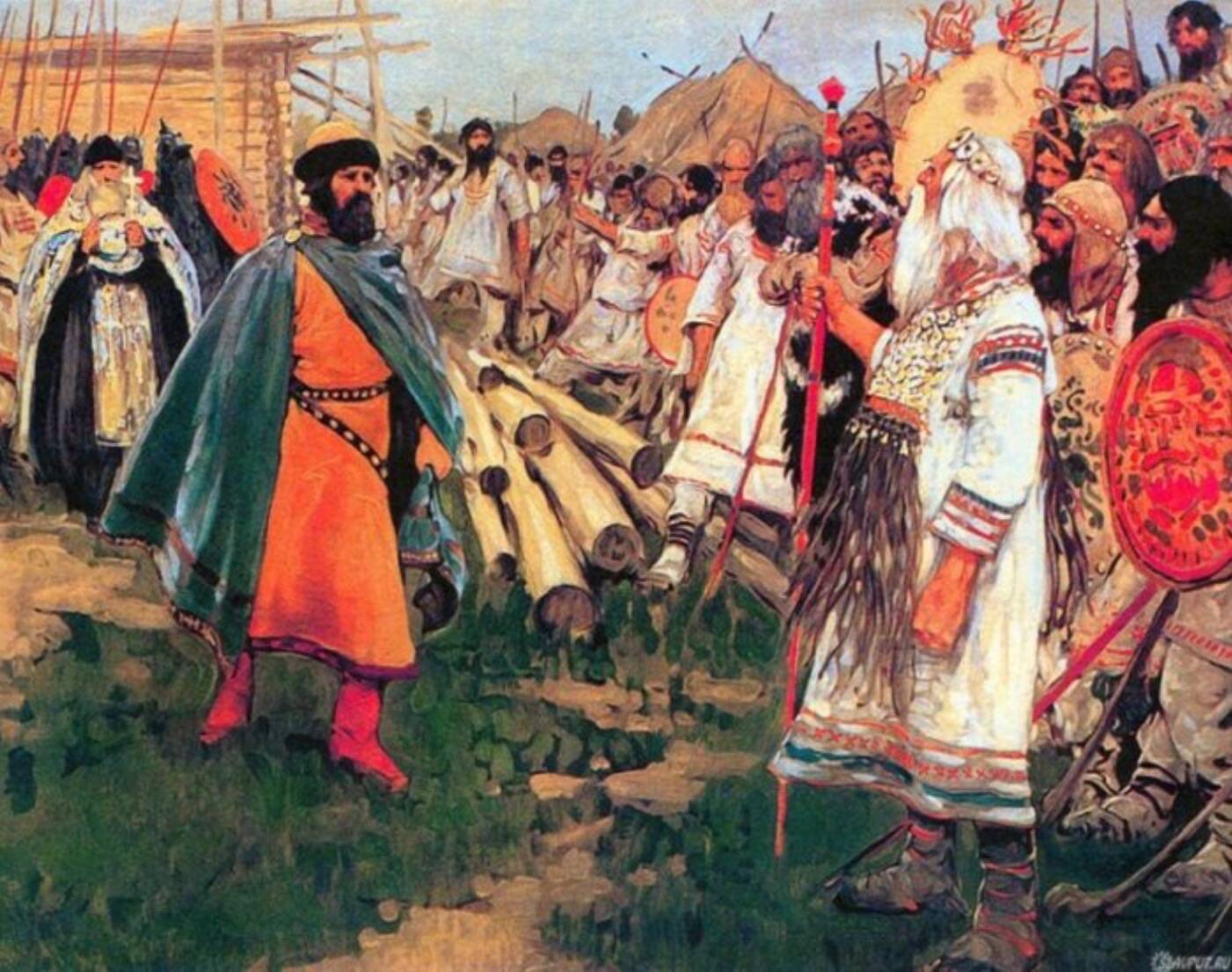
Researchers often compare Perun to the gods of thunder among various peoples. In Norse mythology, he is considered analogous to Thor; in ancient Greek mythology, to Zeus; and in Roman mythology, to Jupiter. What they all have in common is their role as celestial patrons, lords of lightning, and defenders of order. The very word “Perun” in many Slavic languages is associated with a lightning strike or thunder.
How to Celebrate This Day Today
Modern celebrations do not involve ancient pagan rituals, but this day can be a great opportunity to learn more about Ukrainian history and Slavic mythology. You can read about the beliefs of our ancestors, visit a history museum, or attend an ethnographic festival dedicated to folk culture.
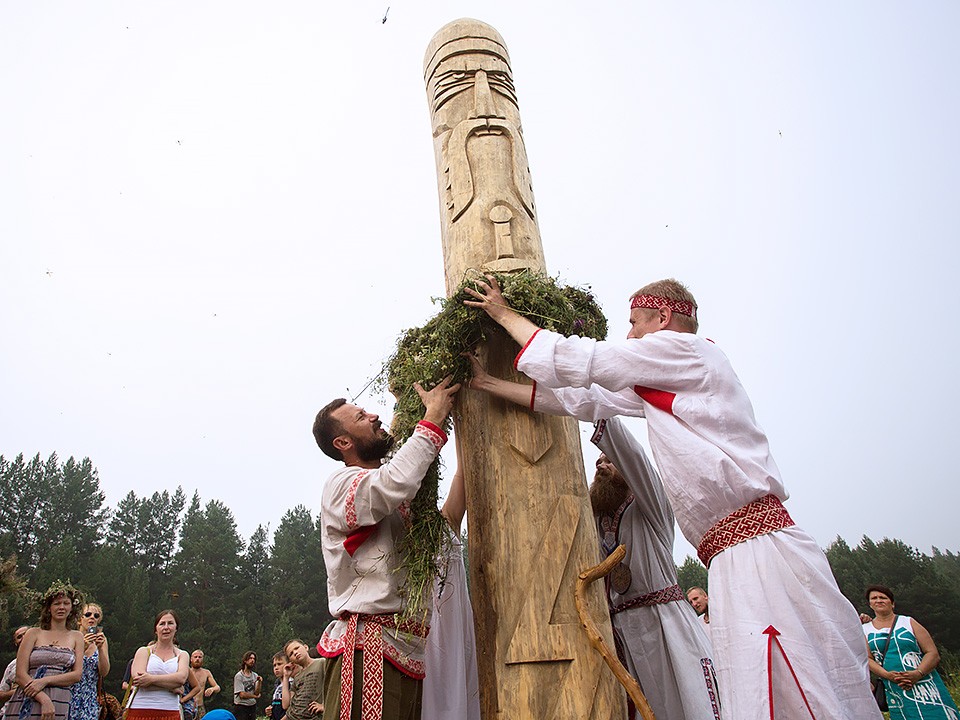
Many people also head out into nature on this day, take walks through oak groves, or simply explore Ukrainian legends and folk tales. Perun Day serves as a reminder of the ancient history of the Slavs, their respect for nature, the power of the elements, and their desire to live in harmony with the world around them. Although today this holiday is primarily of cultural and historical significance, it still sparks interest among those who wish to better understand the origins of Ukrainian traditions.


