
September 23, 2026 — The Conception of John the Baptist: Significance and Traditions
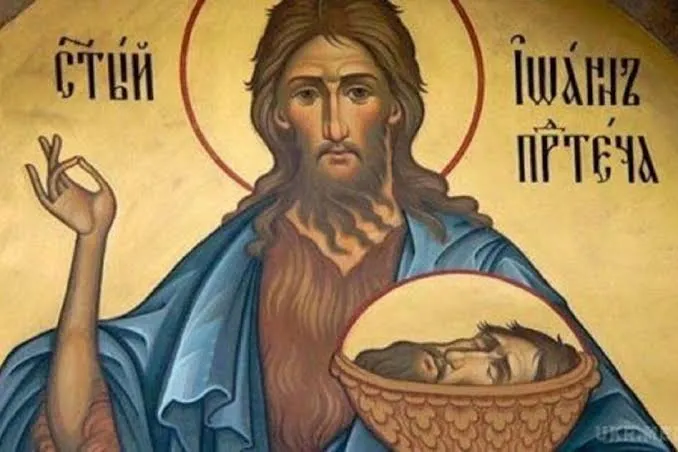
On September 23, 2026, Christians of the Eastern tradition celebrate the Conception of the Righteous and Glorious Prophet, Forerunner, and Baptist of the Lord, John. The feast commemorates the biblical event in which Zechariah and Elizabeth—an elderly, childless couple, according to the Gospel of Luke—learned of the future birth of a son who would become John the Baptist. On this day, believers commemorate the beginning of the earthly life of one of the most important prophets in the Christian tradition.
The Conception of John the Baptist is celebrated annually on September 23 according to the Gregorian calendar. In 2026, this date falls on a Wednesday. The feast is part of the liturgical calendar of the Orthodox Church of Ukraine (OCU) and the Ukrainian Greek Catholic Church (UGCC). Its name may seem unusual, since the church calendar much more often includes days commemorating saints, their births, or their martyrdom. However, John the Baptist is a special case. In the Eastern Christian tradition, not only his Nativity but also his Conception is celebrated separately.

This is due to the special significance of John the Forerunner for Christianity. He is considered a prophet who prepared people for the coming of Jesus Christ, called them to repentance, and baptized people in the Jordan River. It was John who baptized Jesus Christ. The church calendar includes several separate days throughout the year associated with John the Baptist. These include his Nativity on June 24, the Beheading on August 29, his Conception on September 23, as well as days of remembrance associated with the discovery of his head and the transfer of his right hand. Therefore, September 23 is not just another day commemorating the saint. It is the day when the Church looks back to the very beginning of the story of the man who would later become the Forerunner of Christ.
What the Bible Says About John’s Parents
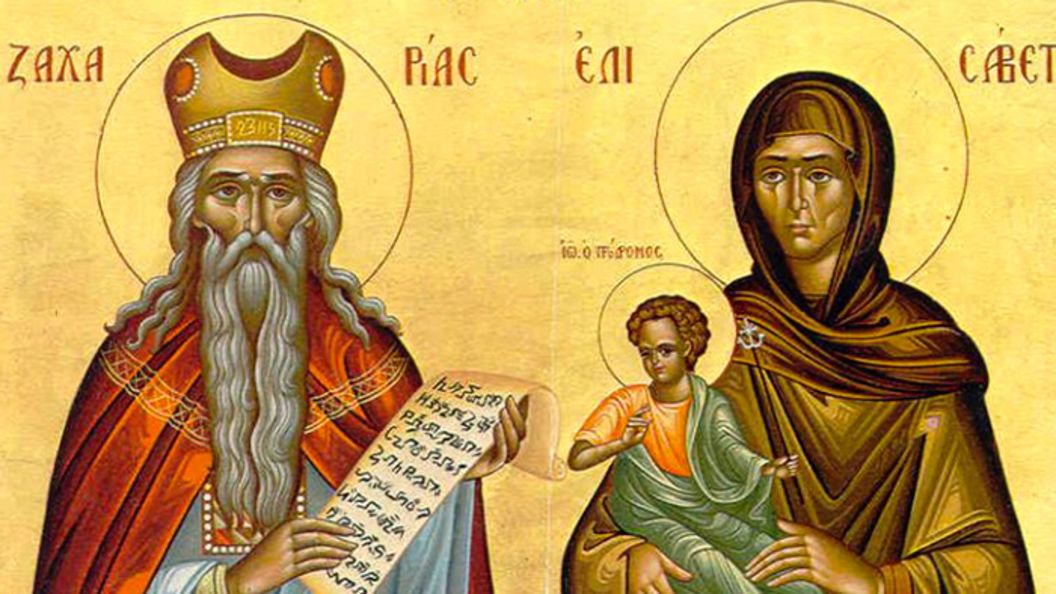
The story of the conception of John the Baptist is described at the beginning of the Gospel of Luke. His parents were the priest Zechariah and Elizabeth. In the Gospel, they are described as righteous people who lived according to the commandments but had no children for a long time. By that time, Elizabeth was already of advanced age. For the society of that time, childlessness was a great personal tragedy, and was sometimes even perceived as a punishment from God. The Gospel account, on the contrary, portrays Zechariah and Elizabeth as people of faith who continued to live righteously.
One day, Zechariah was performing his priestly duties in the temple. It was there that the archangel Gabriel appeared to him. He told the priest that his prayer had been heard and that Elizabeth would give birth to a son. According to the angel, the child was to be named John. He was destined to fulfill a special mission—to prepare the people for the coming of the Messiah. This news came as a surprise to Zechariah, for he could not believe that he and his wife would have a child at their advanced age. After this encounter, according to the Gospel, Zechariah lost the ability to speak for a time. He was to remain silent until the prophecy was fulfilled.
How John Was Conceived
The Gospel of Luke recounts that after these events, Elizabeth conceived a child. It is this event that the Church commemorates on September 23. The biblical text states that Elizabeth then withdrew into seclusion for five months. For her, her impending motherhood was a great joy after many long years of childlessness.
In the Church’s liturgical texts, this story is presented as an answer to the prayers of Zechariah and Elizabeth. Their child was to be born not by chance, but for a special mission in the history of salvation. That is why the feast has a joyful character. It is not about the death or suffering of the saint, but about the beginning of his earthly life and the fulfillment of the message his father received. RISU notes that on the feast day of September 23, special attention is given precisely to the moment of conception. In church tradition, this event is viewed as the beginning of the story of the man who was destined to become the Forerunner of Christ.
Why Is John Called the Forerunner?
John was given several important names and titles. He is called the Prophet, the Forerunner, and the Baptist. Each of these terms explains a distinct aspect of his mission.
Prophet—because he proclaimed God’s will and called on people to change their lives. He spoke of the approaching Kingdom of God and the coming of the Messiah.
Forerunner means “one who goes before.” John was to prepare people for the coming of Jesus Christ. In Christian tradition, he is considered the first to openly identify Christ as the promised Messiah.
The Baptist—because John baptized people in the Jordan River. He called on them to repent and symbolically purify themselves of their past lives.
The story of Jesus’ baptism holds a special place. According to the Gospels, John baptized Christ in the Jordan, after which Jesus’ public ministry began. That is why the commemoration of John the Baptist holds such an important place in the Christian calendar.
What does the Conception of John mean for Christians?
For Christians, this feast day speaks first and foremost of hope and the fulfillment of prayer. Zechariah and Elizabeth had long been childless, but the biblical story shows that their situation changed. It is also significant that the child to be born had a special purpose. John was not simply born into the family of Zechariah and Elizabeth. His arrival was connected with preparing people for the coming of Christ.
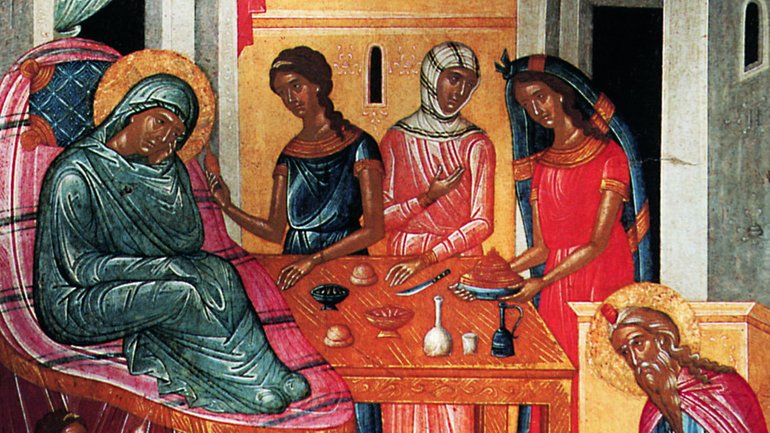
The feast also serves as a reminder of the importance of parental prayer. Zechariah was a priest and continued to serve despite his personal trials. Elizabeth also kept the faith, even though she had been childless for many years. The liturgical texts for this day emphasize the joy of the parents. Zechariah and Elizabeth are blessed with the child they had long awaited, and this child becomes one of the most famous biblical prophets. Therefore, for believers, the Conception of John the Baptist can serve as a reminder of patience, faith, and hope. It is also an opportunity to remember those who have been waiting a long time for change in their lives.
How This Day Is Celebrated
On September 23, churches hold services dedicated to John the Forerunner. Believers pray, listen to passages from the Gospel, and sing church hymns dedicated to the Conception. Prayers to John the Baptist hold a special place in these services. In these prayers, believers ask for spiritual support, strength in their faith, and help in overcoming life’s difficulties. For many people, this day is also a family occasion. After the service, one can spend time with loved ones, visit relatives, or simply devote the day to peaceful activities.
There are no specific mandatory folk celebrations specifically for the Conception of John the Baptist. It is, first and foremost, a church day, so its traditions are connected with prayer and worship. At the same time, various regions may have had local customs associated with the fall season. However, these should not be confused with the official religious significance of the holiday.
What You Can and Shouldn’t Do on This Day
In the church tradition, the main focus on this day should not be on numerous everyday prohibitions, but on prayer and the spiritual significance of the holiday. Believers can visit a church, pray, and reflect on the story of John the Baptist. September 23 should not be viewed as a day marked by a long list of magical prohibitions or guaranteed superstitions. Such claims often stem from popular folk calendars rather than from biblical text or church teachings.
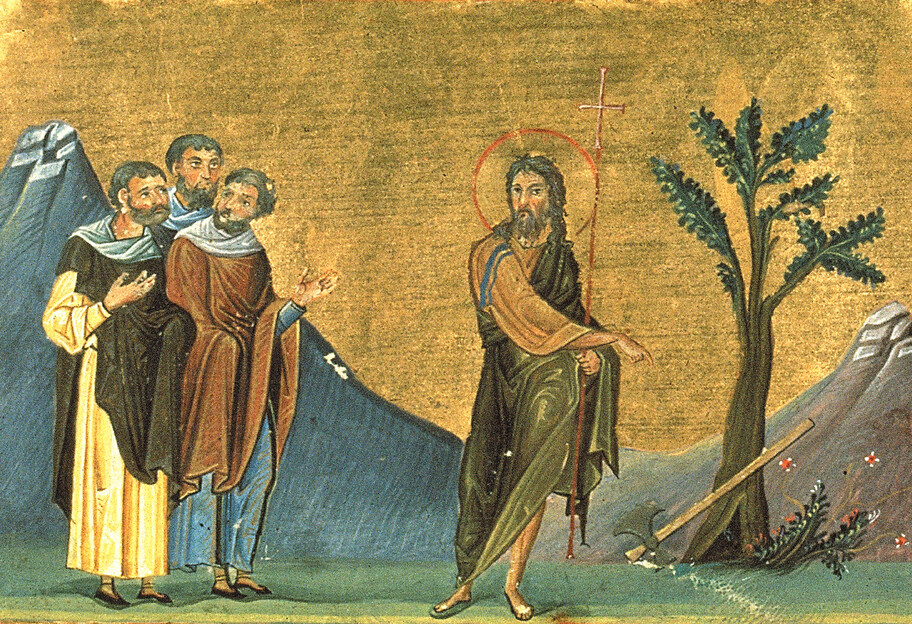
It’s best to spend this day peacefully and without conflict. You can help a loved one, support someone in need, or simply find time for prayer and reflection. It’s also fitting to remember the people who have played an important role in your life. After all, the story of Zechariah and Elizabeth reminds us of family, trust, and support. If you have the opportunity to attend church, this is one of the best ways to celebrate this feast day. However, what matters most is not a formal ritual, but a sincere attitude toward your faith and your loved ones.
Why Does John the Baptist Have So Many Feasts?
John the Baptist holds a special place among the saints of the Eastern Church. After the Mother of God, he has the greatest number of separate days of commemoration throughout the year. The Church commemorates separately his Conception, Nativity, Beheading, the Finding of His Head, the Transfer of His Right Hand, and the Council following the Feast of the Epiphany. This special veneration is due to his role in the history of Christianity. John was Christ’s immediate forerunner and prepared the people for His public ministry.
He also became a symbol of repentance. His preaching was direct and stern: people were to change their lives and prepare for the coming of the Savior. That is why the memory of John the Baptist is commemorated throughout the entire church year. September 23, however, has a special significance, as it commemorates not the end of his earthly life, but its beginning—the conception of the future prophet.
Interesting Facts About John the Baptist
John has a separate feast day celebrating his conception. This is one of the distinctive features of the Eastern Christian tradition. His Nativity is also celebrated separately on June 24.
His parents had been childless for a long time. The Gospel of Luke recounts that Zechariah and Elizabeth were already advanced in years when they received the news of their future son.
The archangel Gabriel announced John’s birth. According to the biblical account, it was he who appeared to Zechariah in the temple and told him about the child’s upcoming birth.
John was a relative of Jesus Christ. The Gospel describes the kinship between Mary and Elizabeth, although the exact degree of kinship is not specified in the text in the same way that modern genealogy would define it.
John baptized Jesus in the Jordan River. This event became one of the key moments in the Gospel narrative and marked the beginning of Christ’s public ministry.
The church calendar includes several feasts in his honor. Among them are September 23—Conception, June 24—Nativity, and August 29—Beheading.
Which name days are associated with this day?
September 23 on the church calendar is primarily associated with John the Baptist. Therefore, this day holds special significance for people named Ivan or Ivanna. In various calendars, this date may also mark the commemoration of other saints. For example, church calendars mention the martyrs Iraida, Xanthippe, and Polyxenia, as well as other saints.
A name day and a saint’s commemoration day are not always the same thing. A name day is associated with a specific person’s heavenly patron, whereas the church calendar may commemorate several saints on the same day. If there is an Ivan in the family, September 23 can be yet another occasion to send him congratulations—especially if John the Baptist is his heavenly patron. You can congratulate someone simply and without fanfare. For example: “Happy Name Day! I wish you peace, health, strength, and may your heavenly patron always watch over you.”
The Main Meaning of the Holiday
The Conception of John the Baptist is a holiday marking the beginning of a great story. According to the biblical account, the elderly couple Zechariah and Elizabeth were blessed with a son after many years of waiting. This child later became the prophet who prepared the people for the coming of Jesus Christ. On September 23, the Church focuses specifically on this first part of the story. It reminds us that John the Baptist was not only a great preacher but also a long-awaited child in an ordinary family.
This day also speaks of hope. Zechariah and Elizabeth did not know what the future held for their son, but the biblical account reveals that his life was of special significance. Therefore, the holiday can be seen as a reminder of the value of life, family, faith, and patience. For believers, it is an opportunity to turn to prayer, visit a church, and reflect on the story of the man who became the Forerunner of Christ. And the main message of the day is simple: the story of John the Baptist began long before his preaching on the banks of the Jordan—with his parents’ prayer and the news of their child’s future birth. It is this event that Christians commemorate on September 23.




