

May 2026 is gradually coming to an end, and starting June 1, with the arrival of summer, Ukrainians can expect a series of important changes and events. These will affect those working on the home front and those defending the country on the front lines, as well as students, college applicants, retirees, internally displaced persons, and everyone who cares about their health.
From the digitization of employment records to the reform of military pay, new reservation rules, pension recalculations, medical screenings for citizens over 40, and child benefits for IDPs—June promises to be truly eventful.
So what exactly should Ukrainians expect, and how should they prepare? UA.News has analyzed the situation. Read more in our article.
Employment Records: Time for Final Digitization
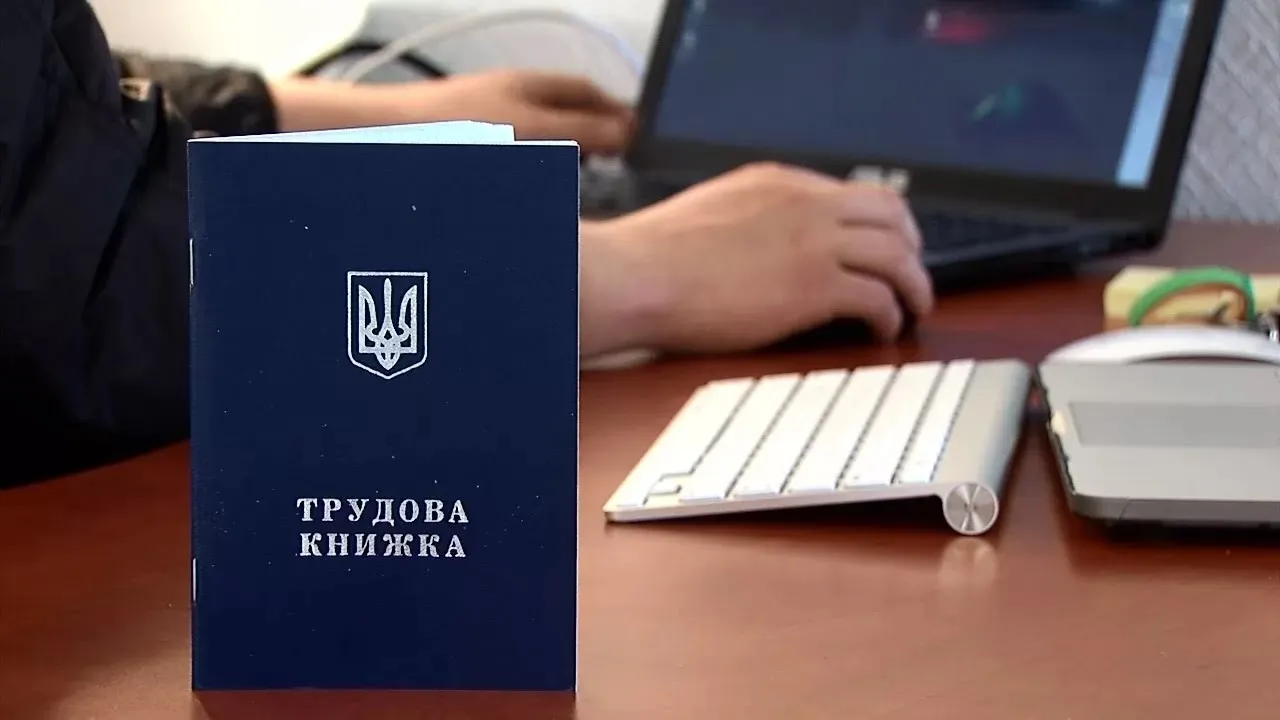
The first thing employees should keep in mind is the end of the era of paper employment records. The transition to electronic record-keeping has been underway for the past few years, but June 10, 2026, has been set as the deadline by which employers and employees must submit their information to the Pension Fund. If employment data is not entered into the registry, this could lead to serious problems in the future when applying for a pension or sick leave. The government is deliberately taking this step to minimize the risk of document loss, which is particularly relevant in wartime, when physical archives can easily be destroyed by the enemy.
The digitization process requires that employees submit scanned copies of their employment record books to the HR department, which, in turn, is required to enter them into the system along with electronic signatures. If you have changed jobs, it is worth checking whether all records from previous employers have been correctly reflected in the digital format.
After June 10, the paper record book will not lose its legal validity entirely, but priority during inspections will be given to electronic data. Therefore, those who have been putting this off should hurry, as there is very little time left.
Military Pay: Launch of the Armed Forces Reform
June 2026 is set to mark the starting point for a large-scale reform of the pay system in the Armed Forces, aimed at eliminating existing disparities. The main innovation, which has been widely discussed in recent months, is the introduction of clear differentiation in pay based on the level of risk and the tasks performed. It is expected that the minimum pay level for military personnel in rear-echelon positions will not be less than 30,000 UAH. This is the base threshold that will allow for the standardization of pay for those who handle logistics, training, staff work, and so on.
At the same time, for defenders who are directly on the front lines and carry out tasks in the combat zone, pay will increase significantly—up to 400,000 hryvnias. Additional allowances will be calculated on an hourly basis for actual time spent in the combat zone. This means that the income gap between rear-echelon personnel and assault units is set to become significantly wider than before.
The goal of the reform is not only to ensure greater fairness but also to encourage personnel turnover in combat brigades, as financial considerations remain one of the key motivating factors when deciding to deploy to the front lines.

Admissions Campaign: Main Session of the National Multidisciplinary Test and the Unified State Exam
For high school graduates and prospective master’s students, June is traditionally the busiest time of year, and this year is no exception. The main session of the National Multidisciplinary Test (NMT) and the Unified Entrance Exam (UEE) for master’s programs will run through June 25.
As promised, testing is taking place in shelters and specially equipped safe locations, and schedules have been arranged to minimize crowds during air raid alerts. The exam format itself remains computerized, allowing results to be processed much faster than during the days of the “old” paper-based EIT.
Participants should pay close attention: the rules for admission to testing centers have changed slightly this year. In particular, identity verification requirements have been tightened.
Results from the main testing session will be available by July 3, so applicants will have enough time to submit their electronic applications to universities. The Ministry of Education emphasizes that the number of state-funded spots remains stable, but competition for engineering and technical majors will likely be lower than for humanities majors, which should be taken into account when setting priorities.

Mobilization and Reservations: New Rules for Businesses
Updated rules for reserving employees subject to military service are expected to take effect in Ukraine around mid-June. The government planned to publish the relevant resolution by the end of May, and 10 days after its publication, companies will be required to review the number of employees reserved in accordance with the new quotas. This means that as early as June, many companies will have to conduct a sort of personnel audit and, possibly, make difficult HR decisions.
One of the main changes is raising the salary threshold for reserving employees to 25,941 UAH. From now on, an employee whom an employer wishes to reserve must receive an official salary of no less than this amount. In addition, the rules for tracking part-time workers have become significantly more complex: it will be practically impossible to circumvent the quotas by hiring someone part-time at multiple locations. On paper, the new system is designed to retain critically important specialists in the economy with “official” pay. In practice, of course, this is being done to recruit additional men into the military.

Pension recalculation: who will be affected by the June changes
Pensioners who continued working after receiving their pension can expect an automatic recalculation of their payments starting June 1. This applies to those who have accumulated an additional 24 months of insurance coverage, or to those who worked for less than this period but have had at least two years pass since their pension was granted. The recalculation is carried out without a personal application, as the Pension Fund receives all necessary information from electronic registries—in particular, from the digitized employment records mentioned above.
However, it is worth noting that the increase in payments will be individual and will depend on the length of the accumulated service record and the salary from which contributions were paid. Those who received the minimum wage should not expect a significant increase.
The government emphasizes that this year’s recalculation is taking place under conditions of austerity and budget deficits, which are traditional for Ukraine. However, the state is still managing to fulfill its obligations to citizens who continue to work on the home front, supporting the economy.
Funds for the 40+ Health Screening Program: Why They Might Run Out
Starting June 1, important clarifications regarding the use of funds allocated by the state for the health screening program for citizens aged 40 and older will take effect. The main thing to remember: these funds are not open-ended. If you received funds for examinations based on applications submitted by May 1, 2026, you must spend them strictly by June 30. After this date, any unused balance will automatically be returned to the state budget, and it will no longer be possible to restore it.
Slightly different rules apply to those who submitted an application after May 1. In this case, the funds are valid for exactly two months from the date they are credited to the patient’s special account. The count begins not from the date the application was submitted, but specifically from the day the funds were actually received.
Therefore, it is extremely important not to delay visiting your family doctor and undergoing the prescribed examinations. Medical facilities are already warning patients that there may be a rush at the end of June, so it is worth arranging for screening in advance to avoid losing the funds allocated by the state.

Aid for IDP Children: Why It’s Important to Apply by June 1
Families of internally displaced persons raising children under the age of 6 face an important deadline in June that directly affects the family budget. The government has extended the payment of assistance for such children in the amount of 3,000 UAH per month, and this payment is granted regardless of the parents’ income. However, the key point is the specific month from which it is calculated.
If the application for assistance is submitted by June 1, the payment will be backdated to January 1, 2026—meaning the family will immediately receive the amount for the five preceding months. If, however, the application is submitted starting June 2, the funds will only be calculated from the month the application is submitted, and there will be no retroactive payments for the previous period.
Given that for many families these 15,000 hryvnias represent significant support, social services recommend not delaying the paperwork and completing it in the first days of June.


