
The deaths of relict sturgeon have been recorded in the Tuzly Estuaries as a result of attacks by the Russian Federation

In the Odesa region, on the coast of the Tuzly Estuaries National Park, dead relict sturgeon were discovered; according to scientists, are the first to be affected by toxic pollution of the marine environment linked to Russia’s war against Ukraine.
During Russia’s full-scale invasion of Ukraine, in addition to dolphins, rare relict fish are also regularly washing up on the coast.
“It is known that sturgeon (sevruga, Russian sturgeon, beluga) live and feed at the very bottom of the Black Sea shelf. Since most heavy toxins, fuel oil, oil, ammunition residues, and heavy metals eventually settle on the seabed (in bottom sediments), sturgeon bear the brunt of the first and most powerful impact,” the researcher emphasizes.
He explains that sturgeons have highly developed chemoreceptors, which make them particularly sensitive to changes in the chemical composition of the water.
“Even microscopic concentrations of petroleum products, heavy metals, or rocket fuel residues cause severe toxic shock in them,” notes Rusev.
According to the scientist, sturgeons constantly filter water through their gills, which makes them vulnerable to toxic substances.
“If the water is saturated with nitrogen and phosphorus compounds, toxic sludge, or an oil or fuel oil film, the gills become instantly clogged, and the chemicals are absorbed directly into the bloodstream, causing acute asphyxia and tissue destruction,” he explains.
Rusev also notes that the absence of typical scales and the unique structure of their bodies make sturgeons more vulnerable to chemical damage.
According to the researcher, the recovery of dead fish on the coast is complicated by natural processes.
“Jackals, foxes, and other predators act quickly as natural scavengers. They primarily drag sturgeon—which can weigh anywhere from a few to a dozen kilograms—away from the shore,” he notes.
Because of this, he says, the actual number of dead fish may be significantly higher than the officially recorded figure.
Rusev emphasizes that every recorded case is only a part of the overall picture of ecological losses in the Black Sea.
“This proves that the actual scale of the disaster on the seafloor of the Black Sea is even deeper and more terrifying than what we can visually observe with large cetaceans,” the scientist emphasizes.
According to his data, in just a few days, about 40 dead cetaceans were also found within the national park, which researchers believe is linked to the consequences of military operations.
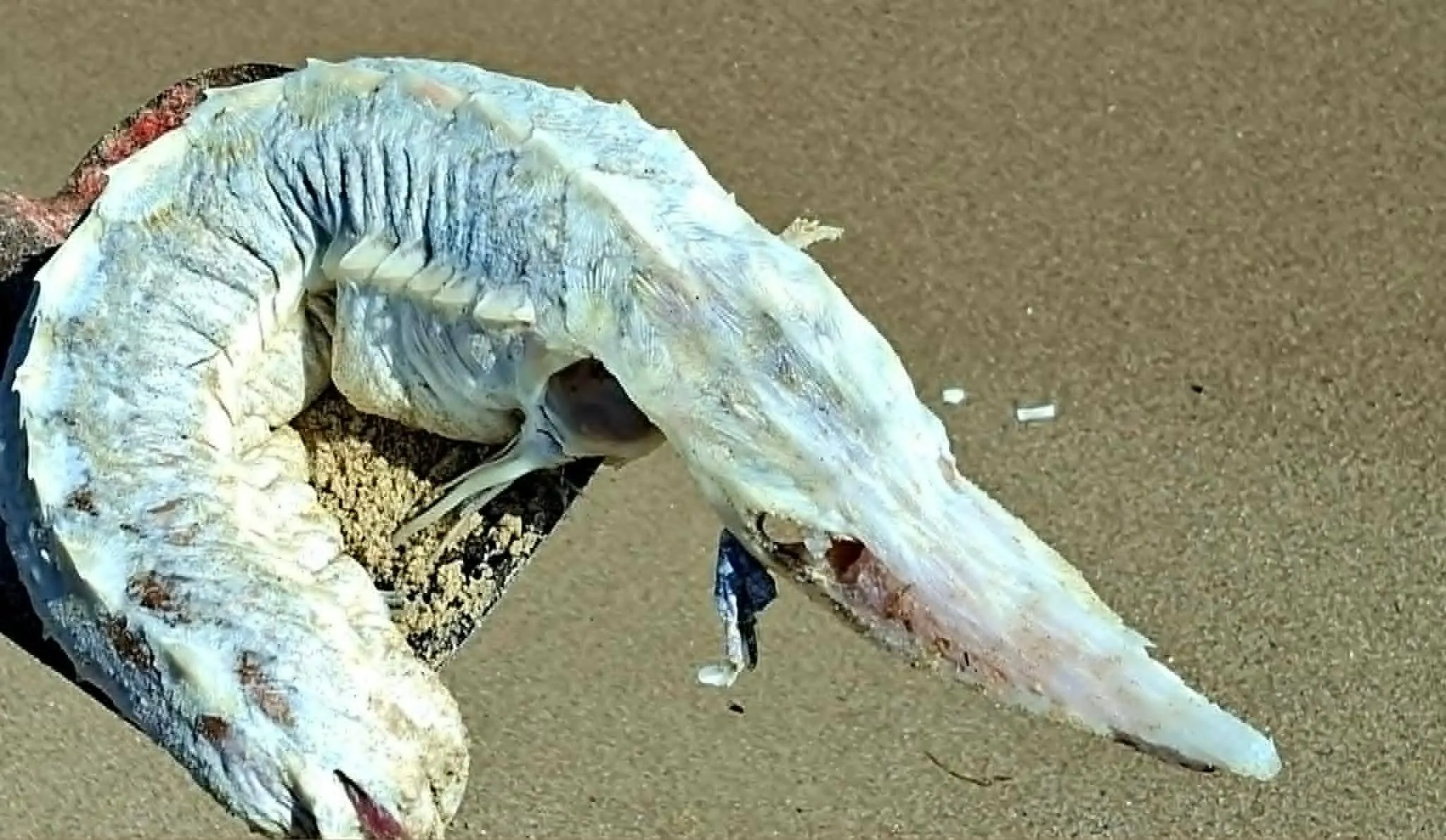
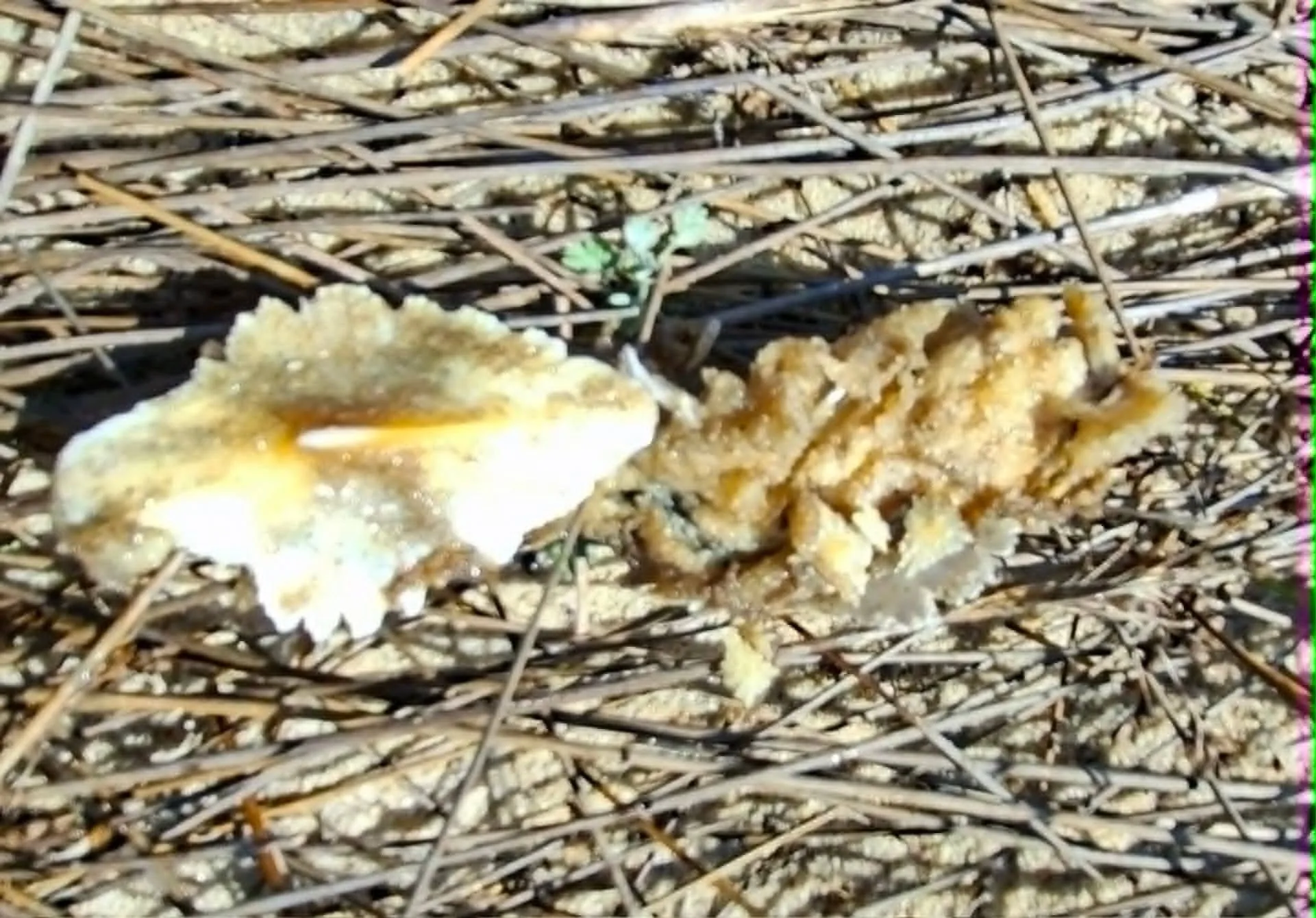
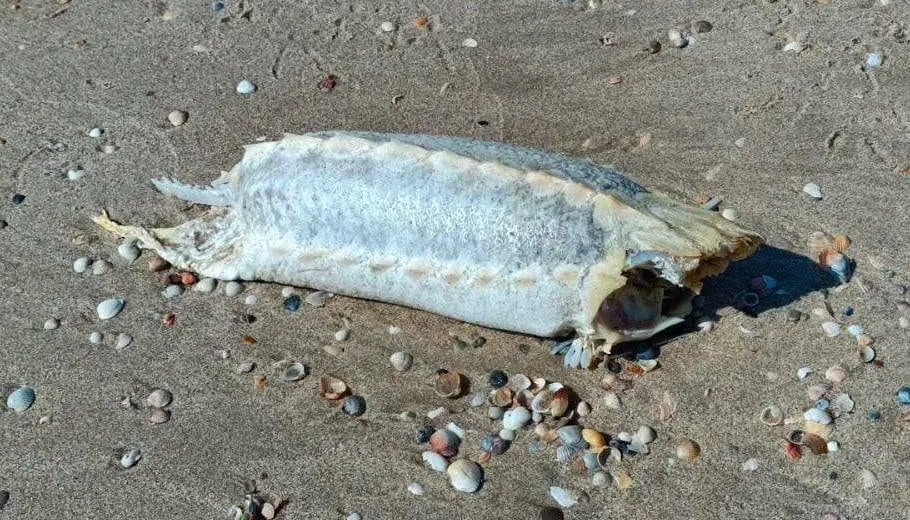
This was stated by Ivan Rusev, Ph.D. in Biology and head of the national park’s research department.
Recently, in the Odesa region, within the Tuzly Estuaries National Nature Park, ecologists discovered 15 dead cetaceans. Experts are investigating the circumstances and possible causes of the animals’ deaths.
In the port of Chornomorsk, efforts to clean up the sunflower oil spill are ongoing—booms have been installed.
As a reminder, thousands of tons of oil spilled into the sea in Chornomorsk as a result of a Russian strike.


