
Passenger traffic in Vinnytsia has dropped sharply following a fare increase
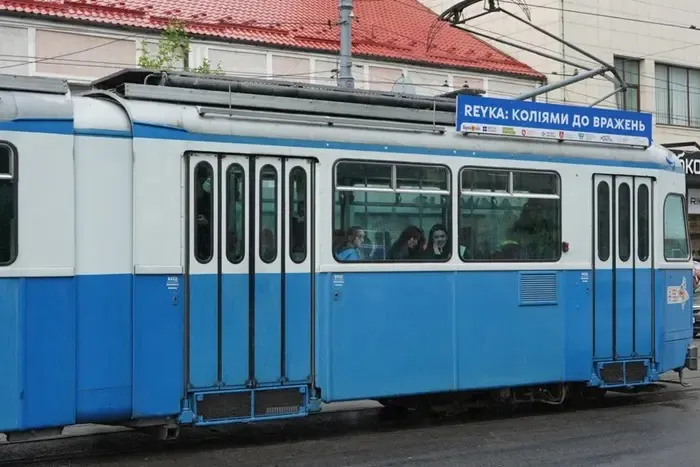
In Vinnytsia, during the first month after the fare increase, total passenger traffic fell by 414,000 trips, or 11.1 percent. The number of trips on trolleybuses and trams saw the sharpest decline, while bus ridership increased.
Vinnytsia saw a noticeable decline in passenger traffic following the fare increase on public transit. During the first month the new fares were in effect, city residents made 414,000 fewer trips than before. This was reported by Viktor Perlov, secretary of the Vinnytsia City Council’s standing committee on industry, entrepreneurship, transportation, communications, and services.
According to him, the total number of trips decreased by 11.1%. The main decline, however, was seen in paid trips. “The results of the fare increase during the first month of the new rates are disappointing. The decline in ridership was primarily due to paid trips, while the number of discounted trips rose to nearly 40%,” Perlov wrote.
The sharpest decline was seen in trolleybus ridership
The situation with electric transit saw the most noticeable change. In the first month after the fare increase, the number of trips on trolleybuses fell by 15.7%. Vinnytsia residents also began using trams less frequently. Passenger traffic on trams decreased by 12.2%. At the same time, buses showed the opposite trend. The number of bus trips increased by 3.4%.
Thus, the overall decline in passenger traffic was primarily due to electric transit. Trolleybuses and trams, in particular, saw the sharpest drop following the fare increase. Perlov noted that the number of trips made by passengers eligible for fare discounts remained virtually unchanged. As a result, their share of the total number of trips has become significantly larger. Whereas previously, passengers with discounted fares accounted for about 34.1% of all trips, their share has now risen to approximately 38.3%.
The number of paid trips has decreased
The largest decline was recorded among payment methods used by passengers without discounts. In particular, the number of trips made using bank cards decreased by 16.3%. The number of trips using the non-personalized “Vinnytsia Resident Card” fell even more sharply. Such trips decreased by 25.8%.
In other words, following the fare increase, not only did the total number of passengers change, but so did the structure of trips. Passengers eligible for discounts continued to use public transportation at roughly the same level, while paying passengers began to travel less frequently. That is why the share of discounted trips in the total passenger traffic rose to nearly 40%.
Will this trend continue?
At the same time, it is still too early to draw definitive conclusions about the impact of the new fares on public transportation in Vinnytsia. According to Perlova, the data for September will be more indicative. Passenger traffic traditionally changes at the start of the school year. Schoolchildren and students return to public transportation, and after the end of the vacation season, more people return to their usual work routines. “But September will be more indicative, since schoolchildren and students, combined with the end of the vacation season, generate a large passenger flow,” Perlov noted.
Therefore, the September figures should reveal whether the decline in trips in August was a temporary phenomenon or whether passengers have indeed begun to use public transportation less frequently following the price hike. So far, the sharpest decline has been observed on trolleybuses and trams. At the same time, bus ridership, on the contrary, has increased slightly.
Thus, the first month following the fare increase in Vinnytsia showed a noticeable decline in overall passenger traffic. The number of paid trips decreased the most, while the number of subsidized trips remained virtually unchanged. City council officials expect to be able to fully assess the trend after receiving data for September, when the city returns to its usual rhythm of school and work. This was reported by Viktor Perlov, secretary of the city council’s standing committee on industry, entrepreneurship, transportation, communications, and services.


