
The 2026 Ukrainian Construction Congress drew 4,260 participants: the industry’s focus has shifted to spatial planning

On June 23, the Ukrainian Construction Congress 2026 took place at the “Parkovy” Exhibition and Convention Center in Kyiv. Participants discussed how development strategies are shaping new Ukrainian cities, and in the evening, the winners of the “Creator of the Year” competition were announced.
KYIV, June 23, 2026 — The Ukrainian Construction Congress 2026 brought together 4,260 participants: developers, investors, architects, manufacturers of construction materials, and representatives of government and business. The theme of the year was spatial planning for the future—specifically, how development strategies are shaping Ukraine’s new cities.

This year, the event’s focus shifted from discussing the real estate market per se to a broader framework: space, strategy, capital, trust, and people as components of reconstruction. According to participants, the industry is shifting from discussions of individual projects to the design of the environment and the city as a whole.
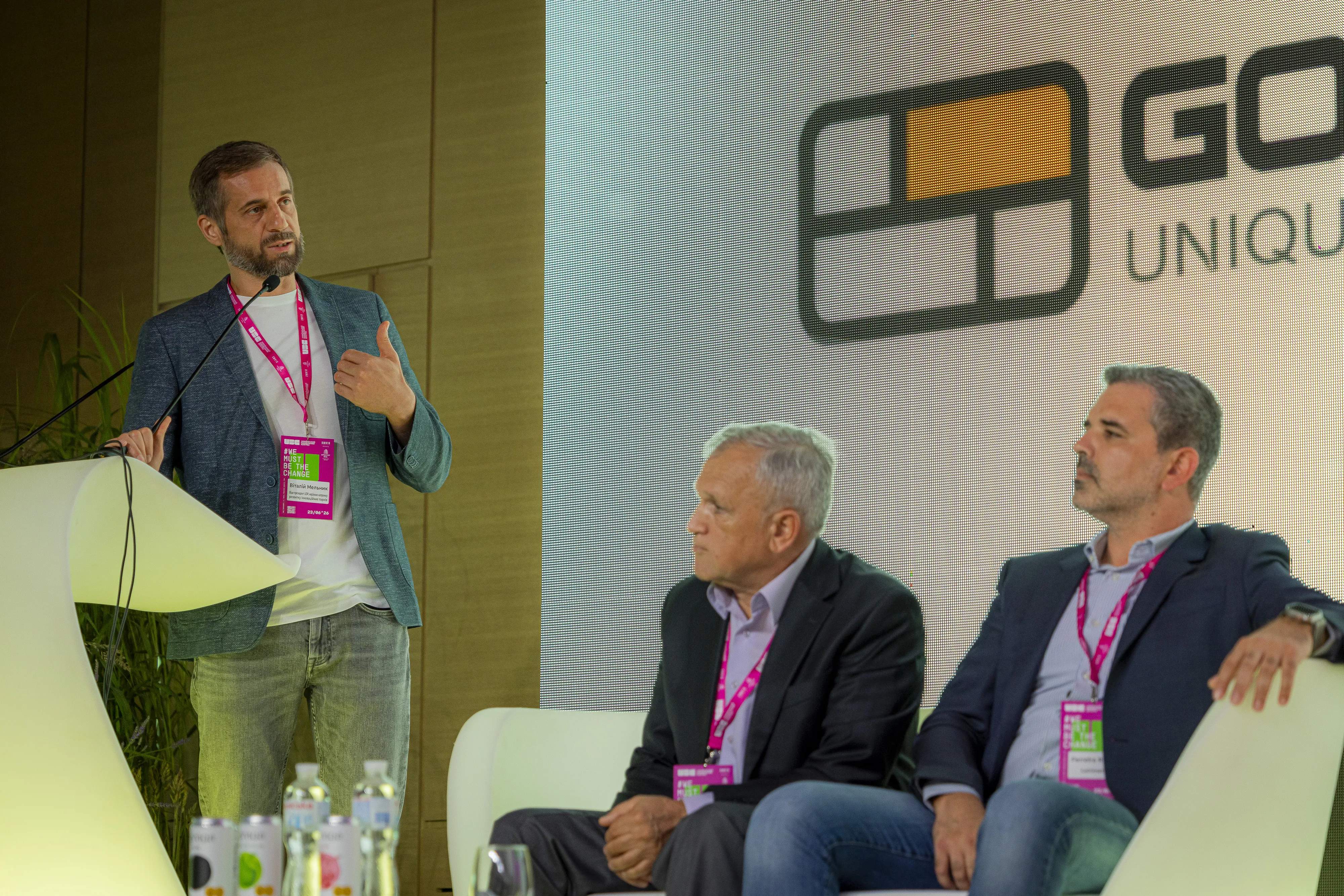
The congress was attended by representatives of the national and local governments, including Natalia Kozlovska, Deputy Minister of Community and Territorial Development of Ukraine; Oleksandr Novitsky, Head of the State Inspectorate for Architecture and Urban Planning; Oleksandr Zakusylo, Deputy Minister of Digital Transformation; Ihor Reva, Deputy Minister of Community and Territorial Development for Digital Transformation, and Oleksandr Svistunov, Chief Architect of Kyiv. Executives from leading development companies also participated in the discussions—including Ivan Molchanov (Stolitsa Group, DIM 9000), Andriy Semenov (UDP), Andriy Vavrysh (SAGA Development), Mark Marchenko (Sensar Development), Anna Laevska (SIGMA+), and Dmytro Vasilyev (“Arhimatika”).
Key Topics
The program covered several strategic areas of the industry. The “Capital for Recovery” session focused on how to launch large-scale investments in construction and infrastructure by engaging banks, government programs, and international financial institutions. The discussions “The Evolution of the Developer 2027” and “Development Models for Real Estate Development Companies” focused on scaling, flexibility, and a tailored approach in the new market conditions.
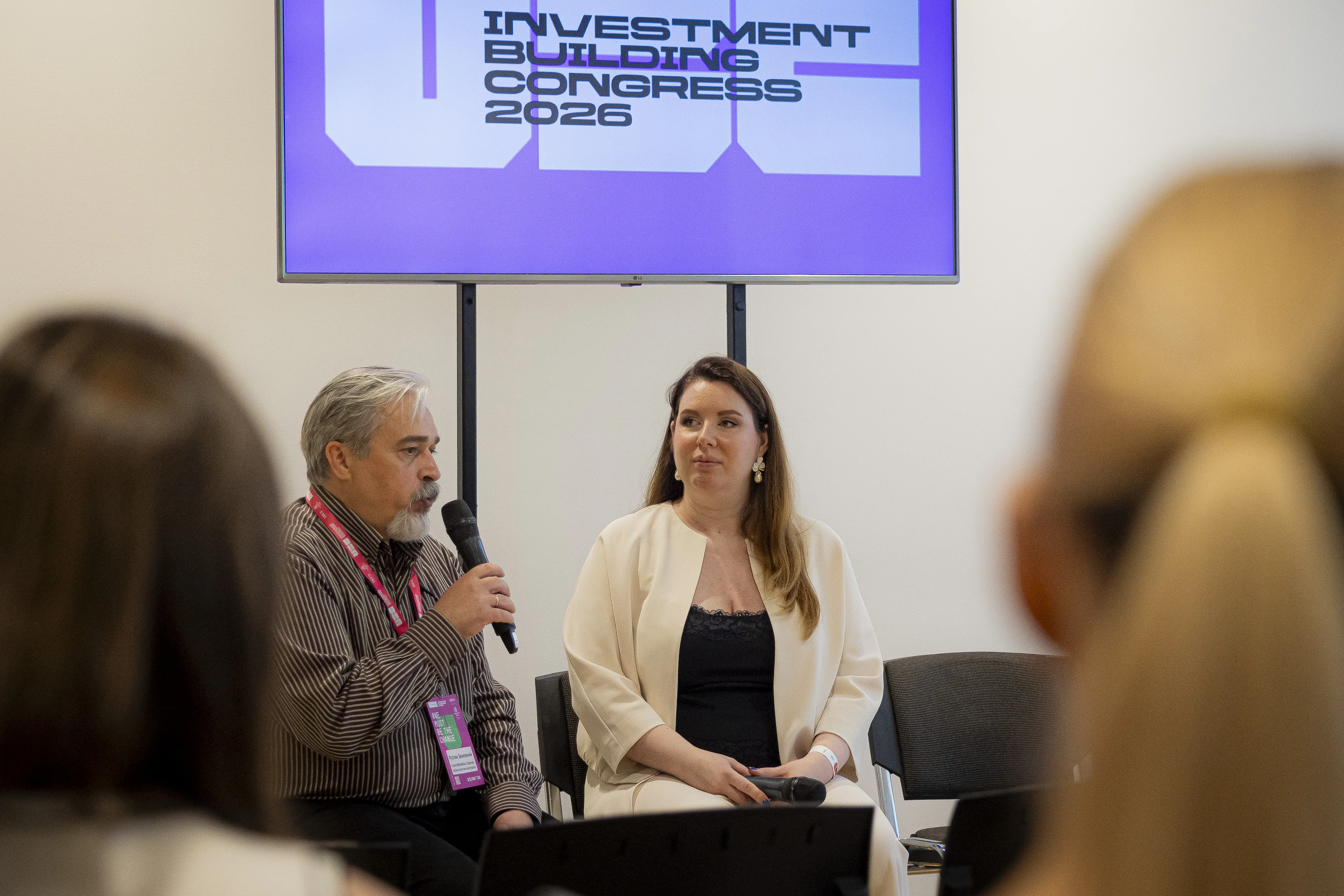
Special emphasis was placed on the rules of the game: the panels “The New Regulatory Reality” and “Strategic Factors for Development” addressed urban planning documentation, project approvals, and procedural transparency. The discussions “Ukraine 2035” and “Cities of the New Ukraine” focused on the formation of a new middle class and on who actually shapes the urban environment of the future. The “Industrial Parks as the Foundation for Reconstruction” session highlighted areas of economic growth for communities.
The Voice of the Market
The tone of the discussions was reflected in the participants’ own assessments.
“A city is no longer just a collection of buildings, but a strategy for living space,” noted Anna Murashchenko, CEO of the construction company RB Development.
“Reconstruction begins with transparent rules, open pricing, and proactive change,” emphasized Andriy Semenov, head of the development company UDP.
“Energy autonomy has become a necessity, not an option,” emphasized Sviatoslav Yakov (LogicPower).
“Talent determines the pace of reconstruction—people are the main asset,” added Kostyantyn Saliy, president of the Ukrainian Association of Building Materials Manufacturers.
Conclusions of the Congress
The event’s findings boiled down to several overarching themes. Spatial planning is becoming the new framework for development: value is created not by square meters, but by environmental strategy—functions, lifestyle scenarios, and the city’s integration into the economy. Development is increasingly seen as a tool for the country’s reconstruction, rather than a collection of individual projects. The scale of reconstruction requires new financing models, and transparency—urban planning documentation, fair competition, and open pricing—is becoming a prerequisite for market trust. At the same time, sustainability and energy autonomy, along with modular and rapid solutions, are becoming the new industry standard, while teams and expertise are emerging as a key resource for corporate growth.

“Creator of the Year”
The evening session of the congress concluded with an awards ceremony honoring the winners of the “Creator of the Year” competition—an accolade for those who set new industry standards. The organizers note that the award confirmed the market’s shift toward quality, systematic approaches, and professional selection.

About the organizer. The Ukrainian Construction Congress is organized by DMNTR Media Group—a Ukrainian media group specializing in architecture, urban planning, design, and development, which organizes industry events, awards, and video projects.
Media contacts: tel. 044 461 91 28 · www.ubc-ua.info


