
Ukrainians spent over one trillion hryvnias using cashless payments
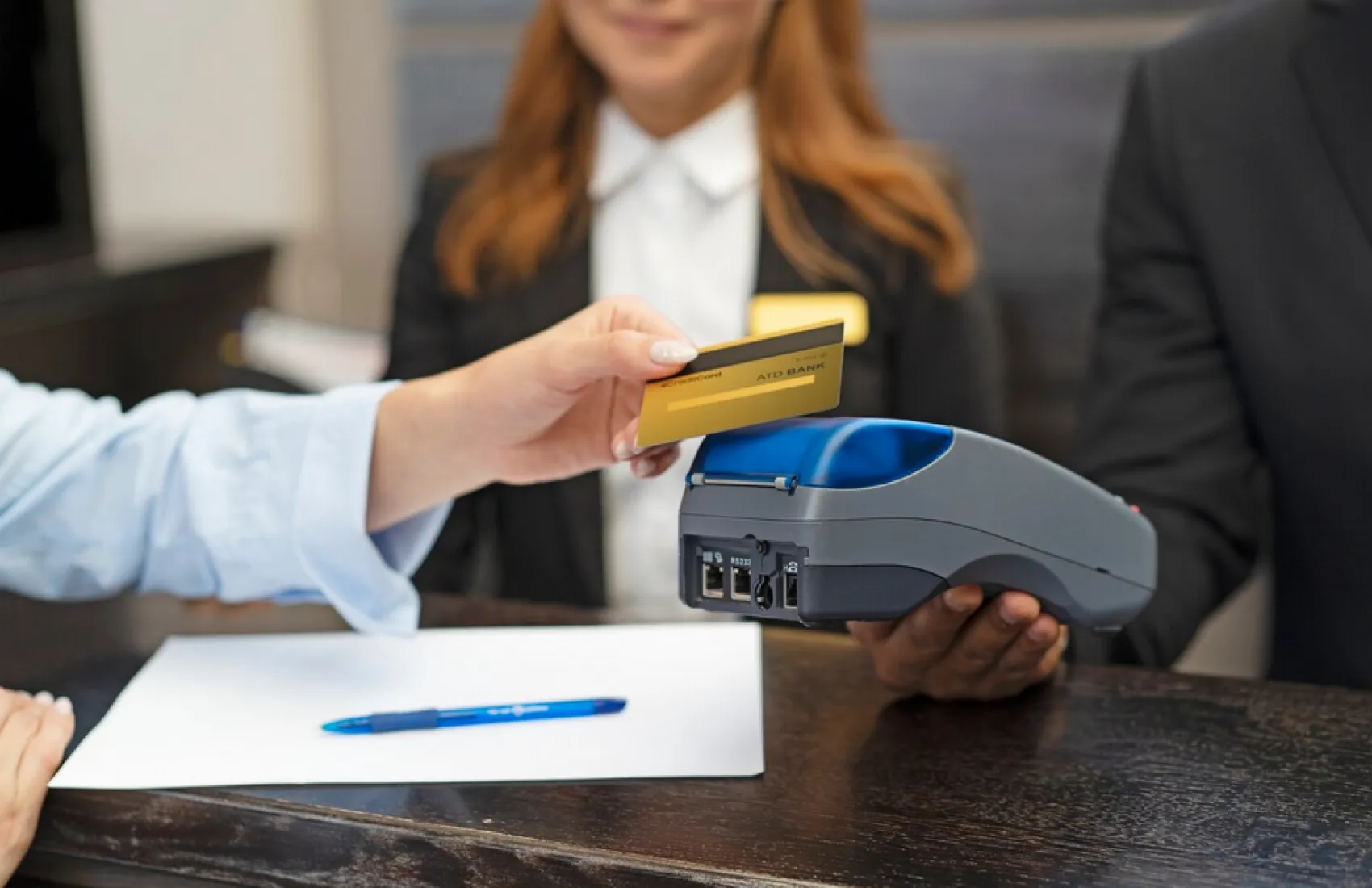
Ukrainians are increasingly moving away from cash and switching to card and smartphone payments; in the first quarter of 2026 alone, the total value of cashless transactions exceeded 1.2 trillion hryvnias. This is no longer just a trend but a well-established habit that is transforming the way the country pays for goods and services.
Ukrainians are using paper money less and less and are increasingly choosing to pay by card or phone, a trend that has reached a new record high in recent months. According to the National Bank, in the first quarter of 2026 alone, the volume of non-cash transactions reached 1.23 trillion hryvnias, which is nearly 15% more than last year. Overall, the financial picture shows that the country is confidently moving toward a digital economy, where cash is gradually taking a back seat.
In total, Ukrainians carried out billions of transactions—both within the country and abroad—and the total value of transactions reached 1.83 trillion hryvnias. At the same time, the share of cashless payments continues to grow and already accounts for 96% of all card transactions by volume, and over 67% by value—a level that seemed almost unattainable just a few years ago.
Most often, Ukrainians pay with cards in stores and service locations—that is where more than half of all spending takes place, and it is effectively the main channel for daily purchases. The volume of online payments is also growing rapidly, as more and more people have gotten used to shopping online, paying for goods and services without physical cash. Card-to-card transfers account for a significant share and remain one of the most popular ways for people to make quick payments to each other.
The average transaction amount is also changing—Ukrainians are spending more both in stores and online, and transactions are becoming more expensive on average across all segments. In retail chains, the average payment has risen to nearly 400 hryvnias, and for online purchases—to over 650 hryvnias per transaction, which indicates not only inflationary trends but also a shift in consumer habits.
At the same time, the infrastructure is actively developing: the number of terminals and locations where card payments are accepted is increasing, and banks themselves are issuing hundreds of millions of cards. However, some of these cards are not actively used, as a significant number of people are switching to digital wallets on their smartphones.
The trend toward contactless payments has become particularly noticeable—more than half of active cards already support such payments, and one in three cards is stored on a phone or gadget. As a result, physical card payments are gradually losing market share, and the smartphone is becoming the primary tool for daily purchases.
Experts note that this trend is no longer a short-term phenomenon but is shaping a new financial reality in the country, where cash is gradually becoming a thing of the past and digital payments are becoming the standard in everyday life. This was reported by the press service of the National Bank of Ukraine.
Potato prices have risen in Ukraine: prices have increased by 15%.
New potatoes have become significantly cheaper at the capital’smarket: what is the cost per 1 kg?
Prices for vegetables used in borscht remain stable in 2026.
Prices for domestic greenhouse tomatoes have fallen in Ukraine.
Potato prices have risen in Ukraine, with prices increasing further over the past week.
The State Statistics Service has released data on food prices: what has become more expensive and what has become cheaper.
As a reminder, prices in Ukraine have been falling for the second month in a row.


