
A rare bird of prey has hatched chicks in the Chernobyl area
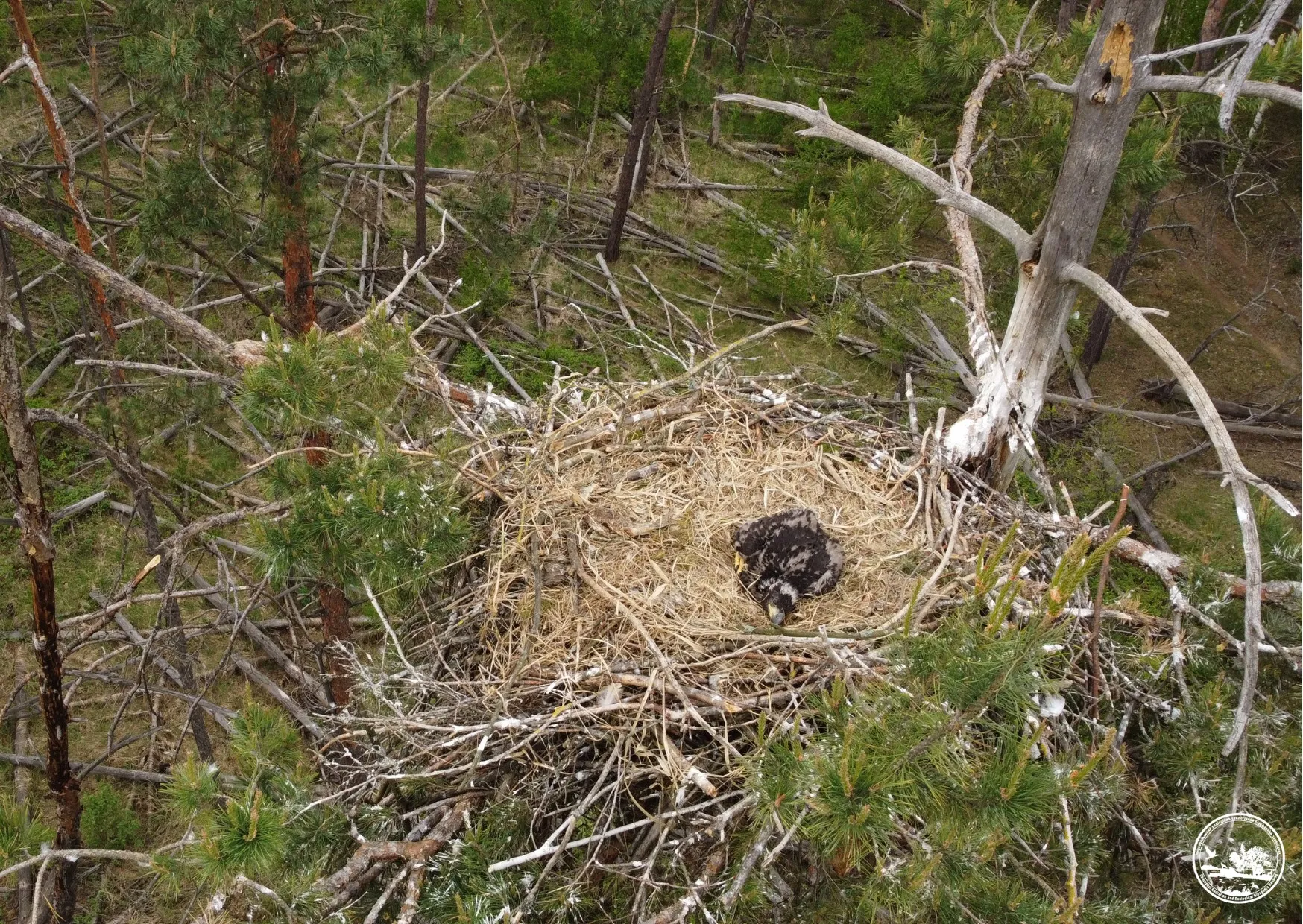
Chicks have hatched in several nests of the rare white-tailed eagle within the Chernobyl Radiation and Ecological Biosphere Reserve.
This was reported on the official website of the state-funded institution.
Reserve specialists used drones to conduct a routine survey of the nesting sites of this species, which is one of the largest birds of prey in Europe.
Ecologists managed to document the arrival of new offspring in several locations within the exclusion zone.
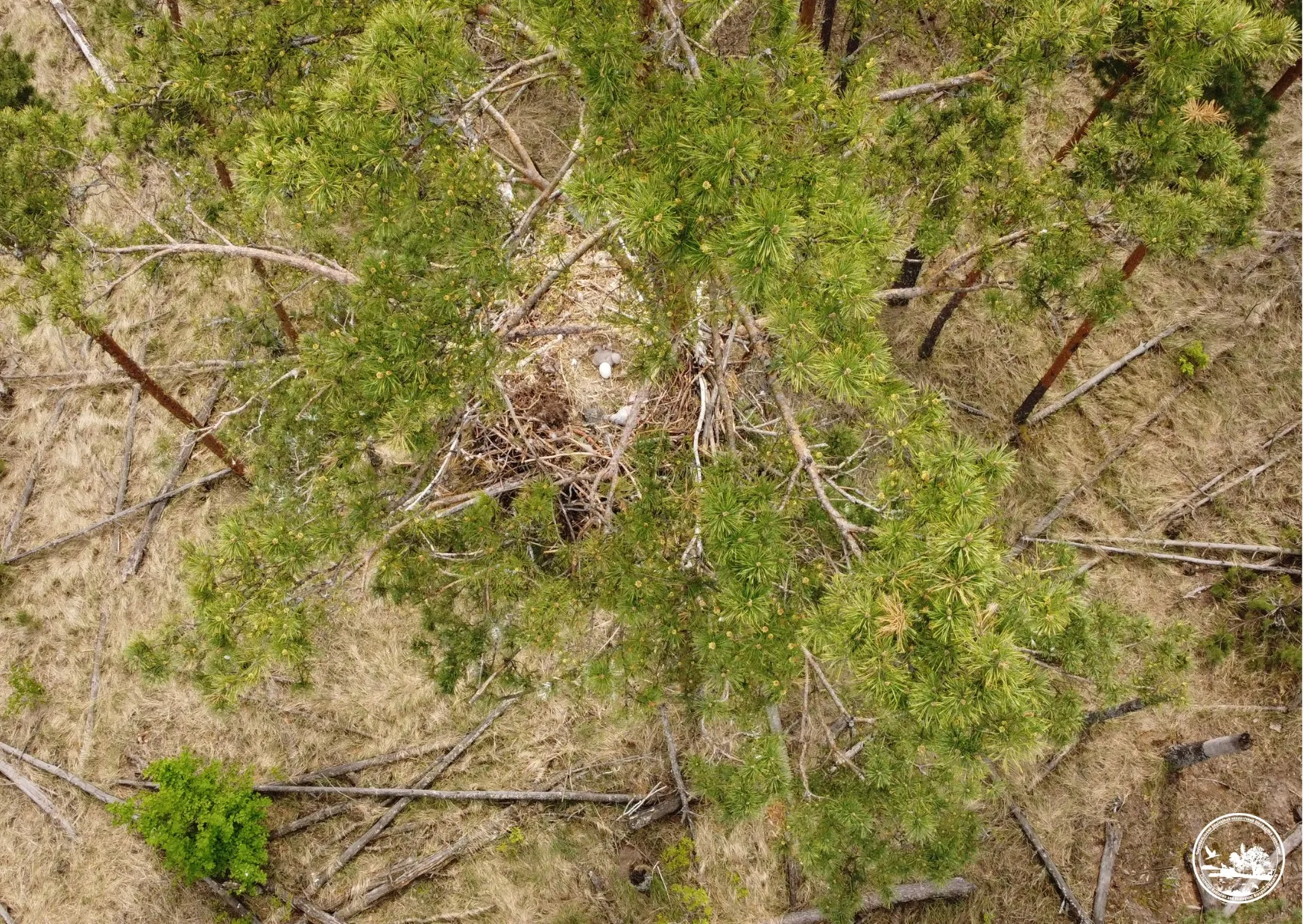
In particular, near Domantov Island, a chick about 25 days old was found in a nest, already holding its ground confidently and growing actively under the watchful eye of its parents.
Another important discovery was made south of the village of Otashiv, where a chick about one week old and another unhatched egg were found in a nest.
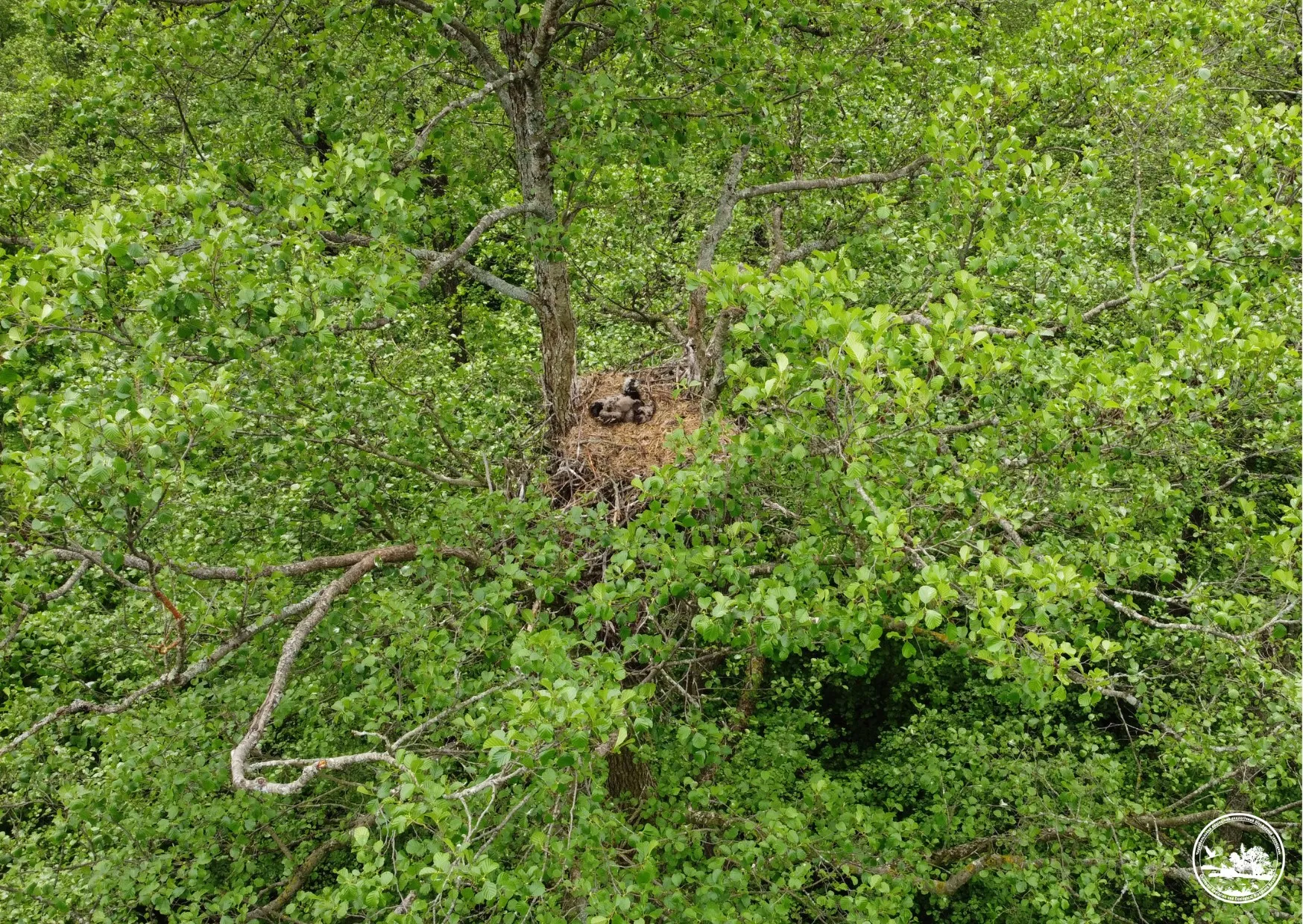
Additionally, ornithologists surveyed the natural conditions in an alder grove near the village of Kupovate, where a young golden eagle, about one month old, is also thriving.
“The nest near the village of Leliv was also checked: last year it remained empty due to work on installing a power line. This year, no nesting took place there either, but chicks are already visible in a neighboring golden eagle nest,” the researchers said.
Scientists note that this year, white-tailed eagles began nesting much later than usual.
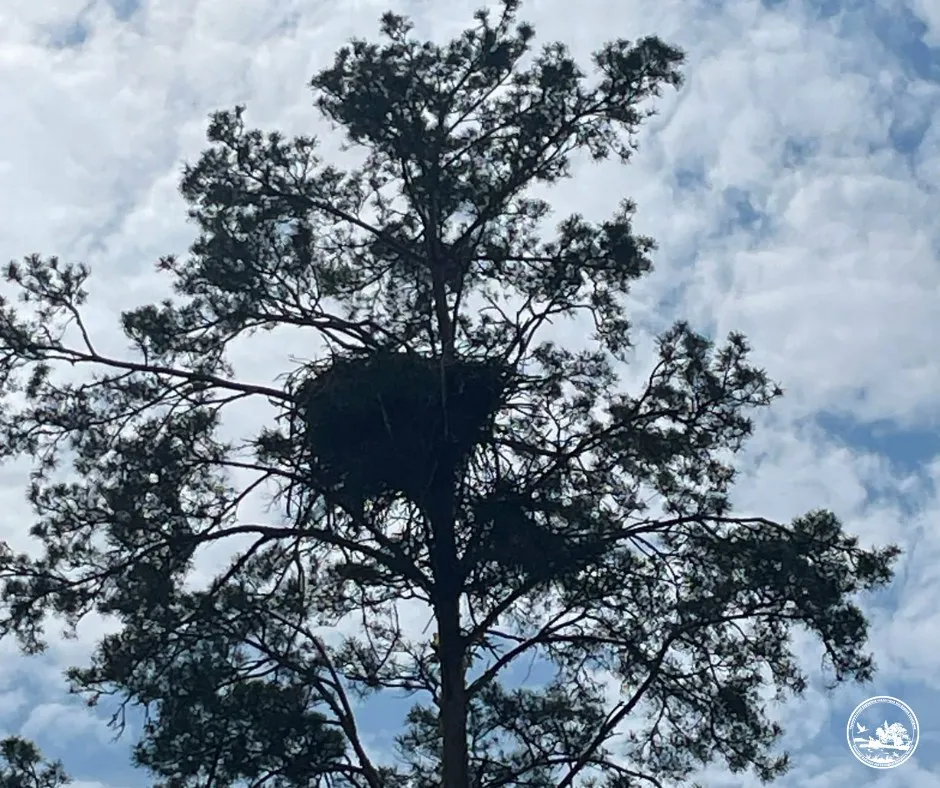
The likely cause of the abnormal breeding timing was the harsh winter and prolonged cold spring, which significantly affected the birds’ mating behavior.
Despite these climatic factors, the overall population growth trend of large predators in the protected area remains stable.
For reference, the white-tailed eagle is a member of the falcon-like family Accipitridae, also known as the gray-headed eagle.
The wingspan of this majestic predator reaches 2.5 meters, and the main distinguishing feature of the species is the white tail in adult individuals.
The bird inhabits coastal forests near fish-rich water bodies, where it builds massive nests at the tops of tall trees.
In the mid-20th century, the population of this species declined dramatically due to human persecution and the mass poisoning of birds with chemicals.
Thanks to strict conservation measures over the past few decades, the population has partially recovered in many European countries.
In Ukraine, the birds typically choose forest areas furthest from human influence for nesting.
Chicks of the rare night heron have hatched in the Tuzly Estuaries National Park
Rare birds have flown to the Odesa region from Africa
In New Zealand, a mammal won the “Bird of the Year” contest for the first time


