
Recently, there has been a lot of talk about new reservation rules in Ukraine. According to a Cabinet of Ministers resolution dated October 13, updated limits on the number of reserved and “deferred” individuals have been adopted. However, the document was adopted with a one-day deadline for finalization, and regarding the revision of the percentage limits for exemptions, a five-day deadline for finalization was set. This means there is still a chance for certain changes—at least relatively positive ones for the public—regarding a reduction in the number of citizens eligible for exemption from military service due to their employment at critical enterprises.
According to numerous government sources, current and former officials, individual members of parliament, and the Kyiv City Council, the draft prepared by the Cabinet of Ministers calls for reducing the exemption quotas for employees in a number of sectors critical to the functioning of the state. Specifically, in the defense-industrial complex and energy sectors, the quota for exempted employees is planned to be reduced from 100% to 85%; in the housing and utilities sector (heating, water supply, and waste management)—from 75% to 60%, while other critically important enterprises will retain the base limit of 50%.
A new body—the Coordination Center under the Cabinet of Ministers—will determine the status and degree of criticality of a given institution. It will consist of 17 members: representatives of law enforcement agencies (the Security Service of Ukraine, the Main Intelligence Directorate, and the Foreign Intelligence Service) and the National Police.
At the same time, the government plans to tighten the rules regarding deferrals for relatives of people with disabilities. Specifically, according to available information, it is proposed to revoke deferrals if the family has one child with a disability and both parents are present. For spouses and adult children with disabilities in the first two categories, deferrals would be granted only on the condition of constant care. In addition, there are reportedly plans to tighten requirements for relatives caring for the seriously ill and to exclude certain categories of relatives from those eligible for deferrals.
These government plans have already sparked a barrage of criticism on social media, as well as from the expert community. This raises the question: Is the situation really so dire that the government is resorting to such unpopular and frankly harmful measures for the functioning of the state just on the eve of the cold weather and the start of the heating season, and against the backdrop of intensifying Russian attacks on the energy sector? UA.News reached out to Ukrainian experts for comment. Read more in our article.
“We shouldn’t lift the mobilization order; instead, we need to review all the ‘fake’ mobilized personnel,” says Denis Yaroslavsky, commander of a Ukrainian Armed Forces reconnaissance company
In general, the entire country should have been mobilized back in 2023–2024. And we should have led by example in showing how it should be done, because there is a huge demand for fairness among the people.
As for the present, I would recommend not removing armor from critical infrastructure facilities, defense and utility enterprises, and so on. I would advise conducting a full review of everyone who was previously issued body armor—especially the heads of local military administrations. Let me explain what I mean. As far as I know—and I have a wide circle of acquaintances in law enforcement and among local authorities—many people were granted exemptions and deferrals at critical infrastructure sites, yet these are people who have absolutely no connection to such facilities whatsoever. None whatsoever! We’re talking about “shell” companies where the individuals listed as employees are “registered” in exchange for money.
According to my information, a reservation for a company of 30–50 people could cost up to $300,000. This is a very serious corruption issue. So a massive audit is needed—to scrutinize all of this, literally “under a magnifying glass.” And believe me: then there will be no need to lay off anyone—we just need to eliminate the fake exemptions.
As for the army, the head of the Presidential Office, Budanov, noted not long ago that the General Staff has been tasked with mobilizing 30,000 people per month. Important: this isn’t because they’re all dying! Some are discharged due to injuries, some are medically discharged, some are in the hospital, some are on special leave, some have had their third child, and so on. That’s how it works. And in order for the army to maintain a constant combat strength, mobilization of 30,000 per month is necessary. Just to be clear, I’m explaining Budanov’s words so that people don’t think we’re losing 30,000 per month and that’s why we need this level of mobilization. No.
So, to sum up, first and foremost, we need a thorough review of those on the reserve list. I assure you that a huge percentage of those on the list are fake. And second, the figure of 30,000 per month for the army is indeed real. But the reason isn’t due to deaths.
It
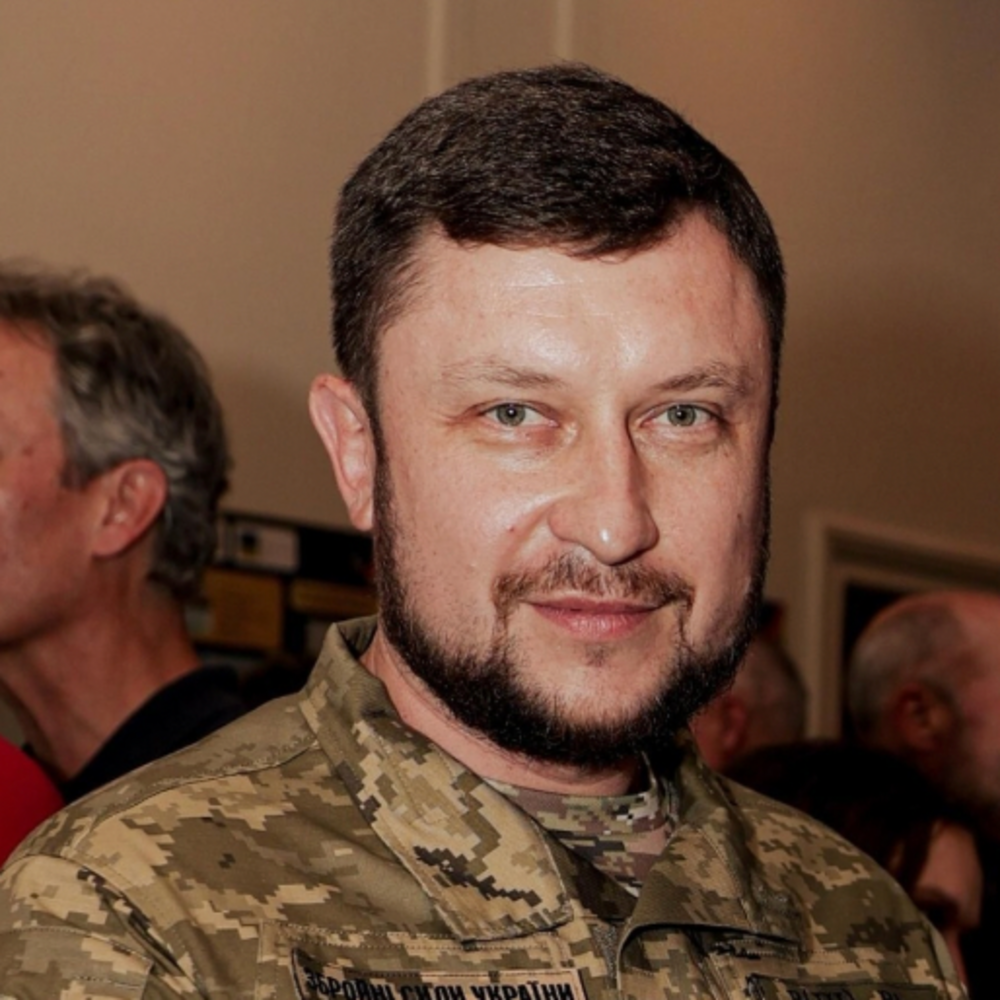
appears that the mobilization crisis has reached significant proportions: Ruslan Bortnik, director of the Ukrainian Institute of Politics
Indeed, the government has already adopted a decision, although its final details are still being discussed. Perhaps they will ultimately turn out to be less stringent than initially announced. However, the number of people subject to mobilization could clearly increase significantly. In Ukraine, approximately one to two million people have deferments from mobilization for various reasons. If some of them can be enlisted into the Armed Forces, this could potentially cover the mobilization quota for several months.
Of course, everyone understands perfectly well that such decisions will harm the economy, the military-industrial complex, and public utilities. Furthermore, they will exacerbate social tensions and conflict within society. But today, the mobilization crisis appears to have reached such proportions that the authorities have decided to resort even to these unpopular measures.
At the same time, note that the government has not yet lowered the mobilization age, which remains quite high—25 years—and has rejected any plans to mobilize women. In other words, the government is trying, on the one hand, to maintain the loyalty of key social groups and not to disrupt the sociopolitical balance that has formed between society and the state during the war. On the other hand, they are tightening requirements for companies whose employees are exempt from conscription in order to recruit more people into the military.
If this measure fails, I believe that by the end of this year or in the first half of next year, the issue of lowering the mobilization age will once again become relevant. And in the future, other, even more unpopular decisions may emerge.
War devours people. The shortage of soldiers and officers in the Armed Forces of Ukraine remains one of the key reasons for the Russian army’s continued advance. It is precisely this problem that the government will try to tackle by seeking additional opportunities to replenish its ranks.

Too Many Questions About the Fairness of Job Reservations: Social Expert Andriy Pavlovsky
Previously, Ukraine reserved jobs in sectors truly critical to the country’s survival—for example, 100% of defense industry workers were reserved—but now that figure will be reduced to 80%. The same applies to energy workers, and so on. These people ensure the operation of critical infrastructure. Who will be left to work?
In other words, we’re seeing some completely illogical and utterly unfair decisions from the Cabinet of Ministers. Especially since—look at this—they didn’t decide to reduce the job protection quotas for government officials! And there are hundreds of thousands of them, and they’re all protected. They could easily have cut those same civil servants, or the freeloaders on supervisory boards.
Here’s another example of this injustice: employees of over 120 (!) civil society organizations have been reserved. Are these people perhaps critical to the defense industry or the functioning of infrastructure? Why is this happening? Why might a driver or an engineer not be exempt, while some activist working on foreign grants is?
All of this raises questions about fairness, expediency, and simply common sense. On the other hand, perhaps this is simply the objective reality on the front lines right now. But at the same time, we have hundreds of thousands of police officers; we have the central internal affairs apparatus. And these are people who are trained and know how to handle weapons.
In general, we need to take a close look at the rear-area structures. Do we really need such a large number of judges and prosecutors during wartime, for example? So there are indeed many problems. This is a matter of basic fairness, and it is particularly acute during wartime.

The
mobilization reserve is gradually running out: military expert Oleg Zhdanov
The mobilization reserve isn’t a bottomless barrel. It’s gradually running out. Unfortunately, people don’t appear and grow as quickly as we suffer losses in the war. This is war! That’s why the state is forced to cancel a certain number of exemptions and deferrals in order to maintain mobilization rates at least at the same level. This is the very nature of the war of attrition we are currently facing. Whoever has more resources and greater endurance will ultimately prevail.

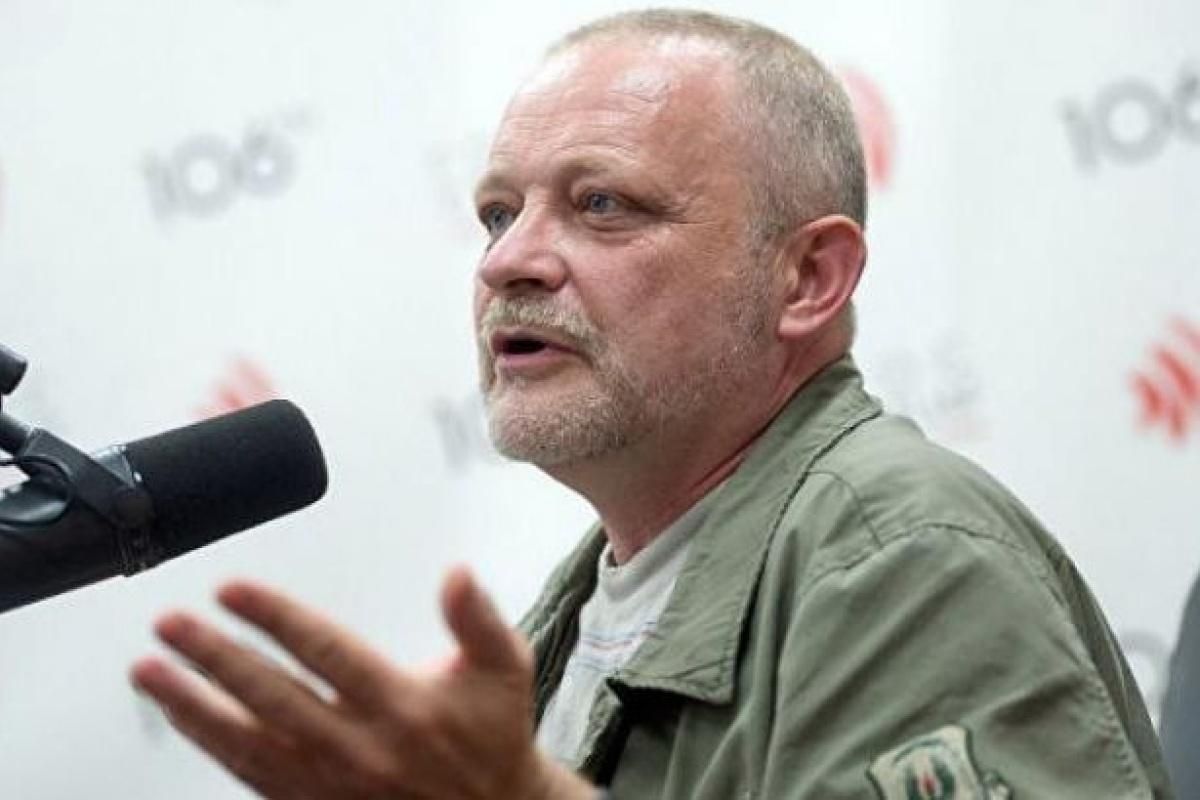
Trust in the state depends on whether those who lead it are willing to share the burden of war with society: Andriy Zolotaryov, director of the “Third Sector” Center
The crisis regarding mobilization resources is extremely acute. Any army relies heavily on those who are directly fighting: those who, with weapons in hand, are in the trenches, holding positions, participating in assaults, and carrying out combat missions. According to journalist Volodymyr Boiko, who served for a long time directly in combat units, there are approximately 150,000–200,000 active-duty service members remaining in the Armed Forces of Ukraine. And it is important to understand that the heaviest losses are suffered precisely by those fighting on the front lines. In contrast, losses among those providing communications or working in supply depots in the rear are significantly lower.
The need to replenish personnel is constantly growing. According to estimates attributed to American sources—which Ukrainian official bodies deny—Ukraine’s total losses could amount to 20,000–25,000 people per month. These figures encompass various categories of losses: those killed, missing in action, wounded, and deserters… Even if these estimates require separate verification, the problem of manpower shortages remains. Judging by the situation, the current mobilization—despite the strict methods employed by the Territorial Recruitment Centers—is failing to meet monthly recruitment targets. And the reserves from which the military could be replenished are running dry.
This is likely why military officials are insisting on revising the rules regarding exemptions and deferrals. Lowering the mobilization age—a measure repeatedly discussed by military officials—is an extremely unpopular political move, and the government is clearly in no hurry to implement it. Instead, reducing the number of exempted workers—particularly at enterprises designated as critical—may seem like an easier solution. Especially given that the country’s economy has suffered enormous losses.
But there is a serious problem here: the reservation system applies not only to those who are truly essential for the operation of critical infrastructure. There is also a corruption aspect: the possibility of obtaining a reservation through personal connections or for money. If the system fails to distinguish between a genuine need for workers and the formalistic use of reservations, the consequences could be very serious.
A reduction in exemptions could hit water utilities, energy companies, and other critical infrastructure enterprises hard. Fewer workers will mean greater difficulties in repairing, maintaining, and restoring damaged facilities. In other words, by attempting to solve the military’s staffing problem, the state risks weakening the very systems without which the country cannot function normally. The leaders of such enterprises must make a strong case for reserving truly irreplaceable specialists, since this is not a matter of privileges but of the state’s security and viability.
At the same time, the economic crisis and the shutdown of large industrial enterprises are creating another dangerous trend: people are losing their jobs and may find themselves among those who will be mobilized. When production stops, tens of thousands of workers find themselves in a precarious situation. Perhaps the authorities are counting on some of these people to join the military. But even if this yields short-term results, such a policy will not solve the strategic problem.
Given the demographic crisis and the shrinking labor force, this is more of a stopgap measure than a comprehensive response to the challenge. It is worth recalling the well-known story of Finnish Marshal Carl Mannerheim, who requested funds to build fortifications along the border with the Soviet Union. As the story goes, the finance minister replied that first, they needed to build a life that people would be willing to defend. There is an important point to this idea: the state must not only require its citizens to fulfill their duties but also create conditions under which people feel a sense of justice, trust, and responsibility for a shared future.
And this brings us to another fundamental problem—inequality before the law. It seems that the burden of mobilization falls disproportionately on the lower rungs of the social ladder: workers, factory employees, and farmers. Rural areas have already felt the effects of mobilization to a significant extent, and now they are increasingly being felt in cities as well. Despite talk of “mobilization with a human face,” there is reason to expect that the pressure will intensify. At the same time, society does not see members of the political elite, high-ranking officials, or influential groups shouldering a commensurate share of the burden of responsibility.
In various historical periods, members of the elite often went to the front lines themselves, demonstrating that they were prepared to share the danger with their fellow citizens. For example, the sons of British Prime Minister Herbert Asquith were killed during World War I. Such examples do not mean that historical circumstances can be mechanically applied to the present, but they serve as a reminder of an important principle: trust in the state also depends on whether those who govern it are willing to share the burden of war with society as a whole.
Unfortunately, in Ukraine there remains a sense that some are more equal than others before the law. And if new mobilization decisions once again hit hardest those with fewer resources, connections, and opportunities to protect themselves, this will only deepen social divisions. The issue of mobilization is not merely about the number of people who can be called up. It is also a matter of justice, trust in the state, and society’s willingness to endure the trials of war together.




