
New cases of malaria have been reported in Ukraine; how to protect yourself from this dangerous disease
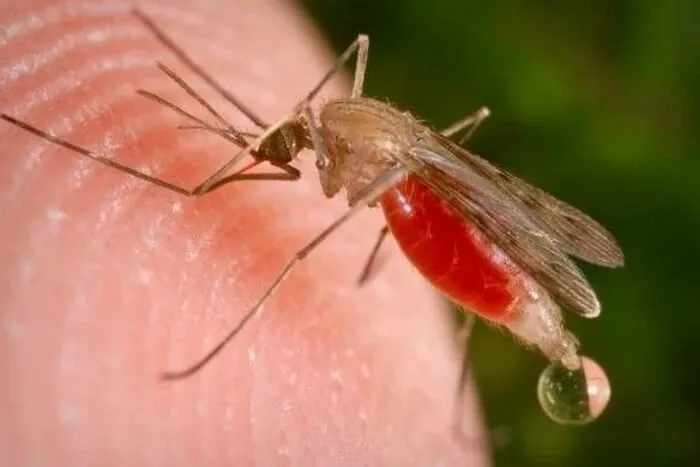
Since the beginning of 2026, four cases of malaria have been confirmed in Ukraine, and five more cases are classified as probable. All cases are linked to travel to countries where the disease is prevalent.
Malaria remains a rare disease in Ukraine, as cases are typically imported. Medical professionals urge travelers to exercise caution while in high-risk regions and to follow preventive measures.
Malaria is one of the most serious infectious diseases, transmitted to humans through the bite of Anopheles mosquitoes infected with the Plasmodium parasite, the causative agent of malaria.
“The most common initial symptoms of malaria are intermittent fever, chills, sweating, headache, weakness, and muscle pain. These are followed by vomiting, digestive disorders (diarrhea), coughing, and disorders affecting the nervous system and other body systems. In severe cases, the disease can be fatal,” according to the Center for Public Health.
Malaria is not transmitted from person to person through airborne droplets or from other animals, except for the aforementioned “malaria-carrying mosquitoes.”
The risk of infection also exists in many tropical regions. In particular, the current malaria-endemic regions include sub-Saharan Africa, Southeast Asia, and the tropical regions of Latin America.
The Center for Public Health recommends checking the epidemiological situation before traveling to countries where malaria is prevalent and, if necessary, consulting a doctor to obtain a prescription for chemoprophylaxis.
Upon returning from an endemic country, healthcare professionals recommend informing your primary care physician about your trip and completing the course of preventive medication as advised.
If symptoms appear—which can occur 7–30 days after infection and may even manifest up to three years after returning from a trip—you should inform your doctor that you have been in countries where this infection is prevalent.
This information comes from the Center for Public Health.
In Italy, the H9N2 avian flu was detected in a human for the first time in Europe.
As a reminder, a new strain of H5N1 avian influenza is spreading in Germany: should we expect an epidemic?
Additionally, Spain is imposingrestrictions on poultry farmers due to avian influenza.


