
More than 1,170 km of roads in Ukraine have been protected against FPV drones
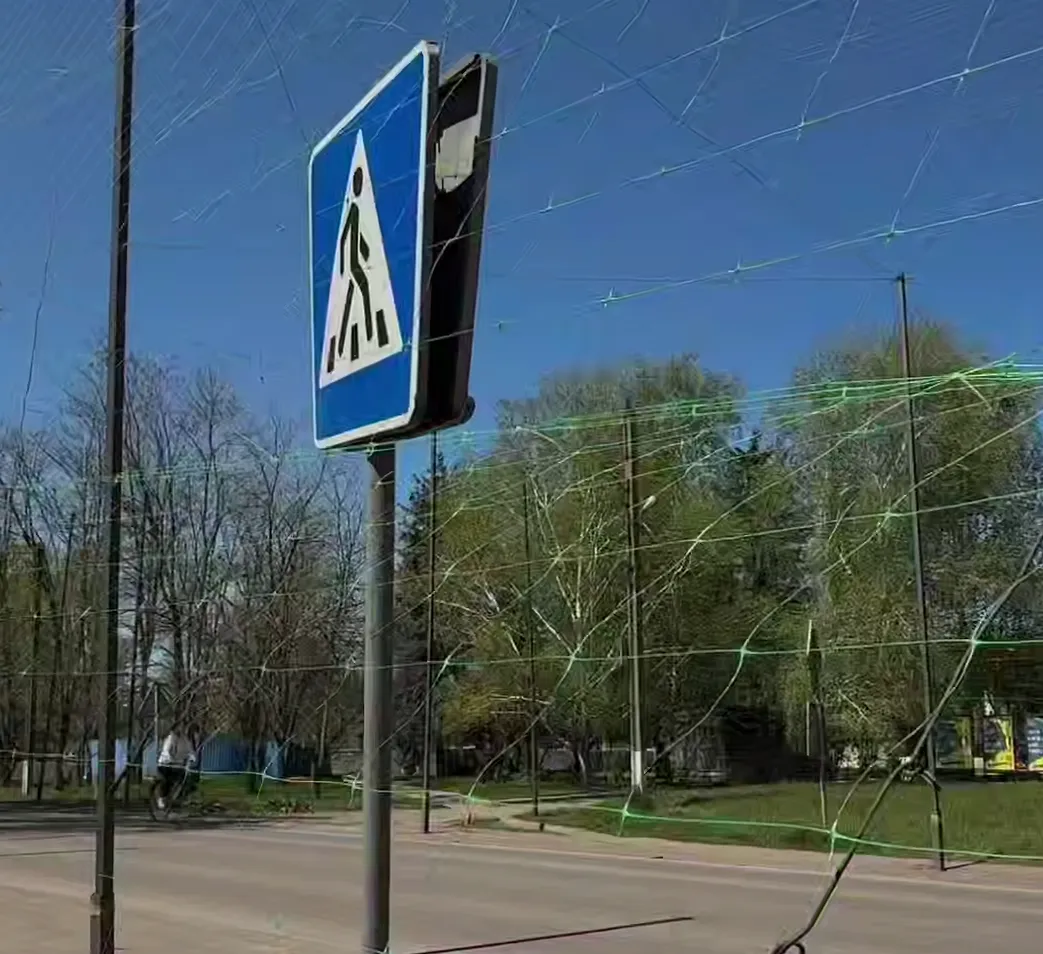
In Ukraine, more than 1,170 kilometers of frontline roads have already been equipped with anti-drone structures to protect logistics from FPV drone attacks. These are routes that are critical for supplies, the evacuation of the wounded, and the operation of frontline infrastructure. Defense Minister Mykhailo Fedorov announced this on his Telegram channel.
Ukraine continues to rapidly strengthen the protection of frontline roads, and over 1,170 kilometers of logistics routes have already been covered with anti-drone structures designed to reduce the risk of FPV drone attacks and ensure the uninterrupted operation of supply and evacuation operations.
According to him, the enemy is actively using FPV drones to strike transport routes near the front line, so the state has scaled up the construction of protective infrastructure to ensure the safe movement of equipment, the delivery of resources, and the evacuation of the wounded from dangerous areas.
Fedorov emphasized that anti-drone protection work is being carried out by the State Special Transport Service on behalf of the Ministry of Defense, and the pace of construction has recently increased significantly—nearly doubling compared to previous periods. “The enemy is actively using FPV drones to attack transport and logistics routes near the front line. That is why the State Special Transport Service, on the orders of the Ministry of Defense, is scaling up anti-drone defenses in frontline regions,” he noted.
According to official data, the pace of construction has increased from approximately 4 to 8.5 kilometers per day, and in just a few months, hundreds of kilometers of protective structures have been installed and part of the road infrastructure has been restored.
Specifically, between February and April, an additional 430 kilometers of roads were protected and over 100 kilometers of damaged sections were restored, with the total length of protected logistics routes exceeding 1,170 kilometers across five frontline regions.
Separately, work continues on restoring roads in key areas, including Zaporizhzhia and Kharkiv, where some sections have already been completed and over 60 kilometers of road surface have been restored.
The ministry emphasizes that in modern warfare, logistics determine the stability of the front line, and secured routes directly impact the safety of military personnel and the speed of response. “In modern warfare, logistics determine the stability of the front line. Secure logistics mean lives saved,” Fedorov stressed.
The State Border Guard Service of Ukraine has denied information circulating on social media about an alleged sharp increase in the activity of Russian sabotage and reconnaissance groups in the Chernihiv region.
As a reminder, the enemy is deploying small assault groups in the border area instead of DRGs.
The State Border Guard Service also reported a decrease in the activity of enemy DRGs.
Russian occupation forces continue to actively send sabotage and reconnaissance groups into Ukrainian territory, attempting to find gaps in defensive positions. The main activity of enemy units is currently concentrated on sections of the state border within the Sumy and Kharkiv regions.


