
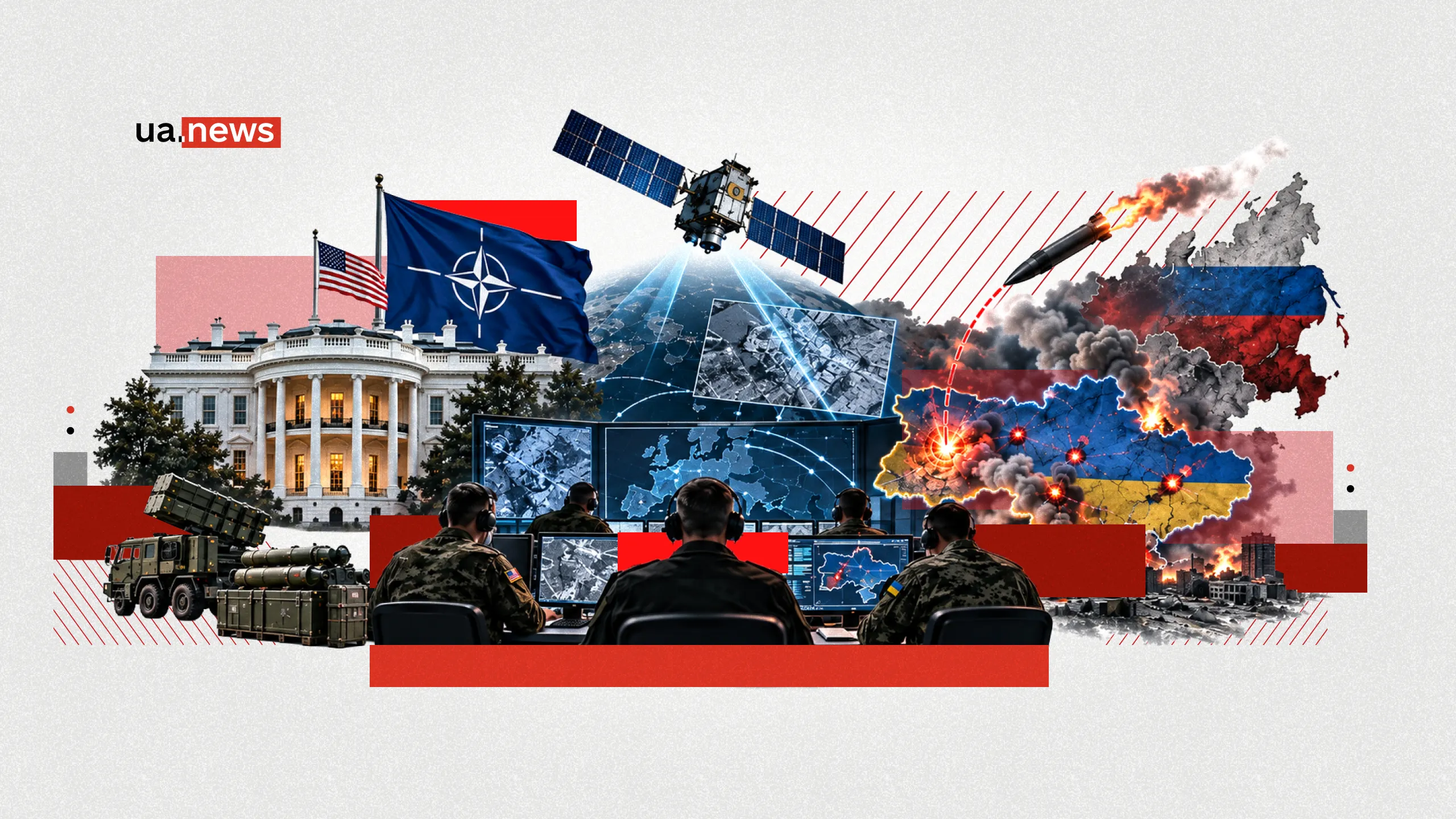
On the evening of October 12, Russia launched five ballistic missiles at Kyiv before an air raid alert was issued. Two people were killed and nine others were injured as a result of the strike. The Ukrainian Air Force reported that information about the missiles being launched from Russian territory was not received in time, and radar systems detected them only during the attack.
The strikes occurred almost simultaneously with reports in Western media about alleged threats from Washington to restrict the exchange of intelligence with Ukraine if the Ukrainian Armed Forces did not stop striking Russian oil refineries. Although the White House has not officially confirmed this information, and the Air Force attributed the delay in the warning to a technical glitch on the part of its partners, the nighttime attack raised new questions about the effectiveness of air defense. This is particularly true for cities located within the range of Russian ballistic missiles that lack adequate air defense capabilities.
President Volodymyr Zelenskyy stated that partners did not warn Ukraine about Russia’s preparations for a ballistic missile strike on October 12: “There was also a rather cowardly ballistic missile strike on Kyiv—five missiles that hit civilian infrastructure. Unfortunately, there was no warning from our partners regarding this strike.”
However, Zelenskyy did not specify exactly which partners Ukraine had expected to receive information about the strikes from.
Later, Foreign Minister Andriy Sibiga provided clarification. He assured that despite tensions in relations with Washington, the exchange of intelligence between Ukraine and the U.S. continues.
What lies behind the conflicting reports about U.S. threats to restrict intelligence sharing with Ukraine, and what Ukrainian military experts think about the discussion of such risks—read the article on UA.News.
The Trump
Administration Is Pressuring Ukraine Over Intelligence
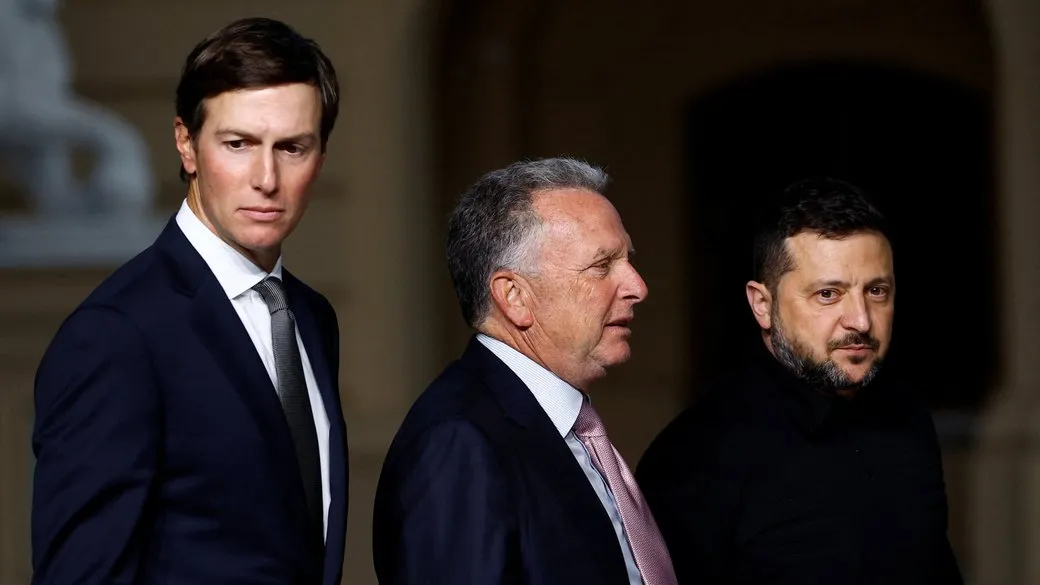
In October 2026, strikes on Russian oil infrastructure exacerbated differences between Kyiv and Washington. During talks in Miami, U.S. representatives Steve Witkoff and Jared Kushner reportedly warned the Ukrainian delegation that Donald Trump might cut off intelligence support if Ukraine did not stop attacking Russian oil refineries. A Ukrainian official reported this warning to Axios, while a U.S. representative denied that the American side had issued a direct threat.
CNN and the Kyiv Independent followed up on the story and confirmed such rhetoric from the Trump administration. Moreover, journalists discovered that U.S. officials had contacted Ukrainian commanders directly.
“They called senior military officials with threats. They said they would halt both the exchange of intelligence and the PURL program,” the Ukrainian official said.
The Kyiv Independent clarified that the calls from the U.S. administration were received by Pavlo Palisa, deputy head of the Office of the President responsible for military affairs, as well as Mykhailo Drapatiy, commander-in-chief of the Armed Forces of Ukraine.
Palis later confirmed to the Financial Times that he had received such calls from the Trump administration.
Separately, the Financial Times reported on the possibility of a halt to U.S. arms deliveries through the PURL mechanism—a program under which European allies finance the purchase of U.S. military equipment for Ukraine.
At the same time, POLITICO refuted a number of these reports. So far, there are “no signs” that Washington is following through on these threats, a NATO representative told the publication, arguing that restricting arms sales would harm American arms manufacturers themselves. “The PURL program is beneficial to the Americans,” the Alliance official explained.
Thus, in a matter of days, U.S. intelligence assistance became a top issue in the context of trilateral talks—both as a potential lever to deter Kyiv from striking Russian oil refineries and as part of a much more complex geopolitical game.
The U.S. had already suspended the transfer of intelligence data to Ukraine
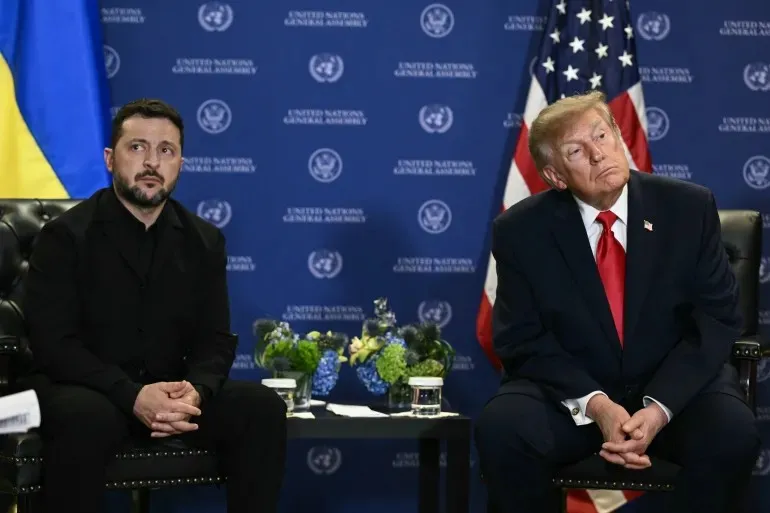
In March 2025, the Trump administration had already suspended military aid to Ukraine and the exchange of intelligence following a conflict between Donald Trump and Volodymyr Zelenskyy at the White House on February 28.
On March 5, 2025, CIA Director John Ratcliffe confirmed that the U.S. had suspended the sharing of intelligence with Ukraine and the supply of weapons. He explained that the restrictions could be lifted once Washington was convinced of Kyiv’s readiness for the peace process.
The restrictions affected information necessary for planning strikes on Russian military targets, including target coordinates for long-range systems. According to The Washington Post, the U.S. has partially halted the sharing of coordinates for strikes using HIMARS systems and long-range drones. This has made it more difficult to strike Russian military targets deep within the occupied territories and on Russian territory.
At the same time, there were no statements regarding a complete halt to intelligence assistance. Some media outlets reported that data for long-range strikes had been blocked, while others reported a broader suspension of cooperation, with possible exceptions for information needed to directly protect Ukrainian military personnel.
What intelligence does Ukraine receive from the U.S. and its allies
?
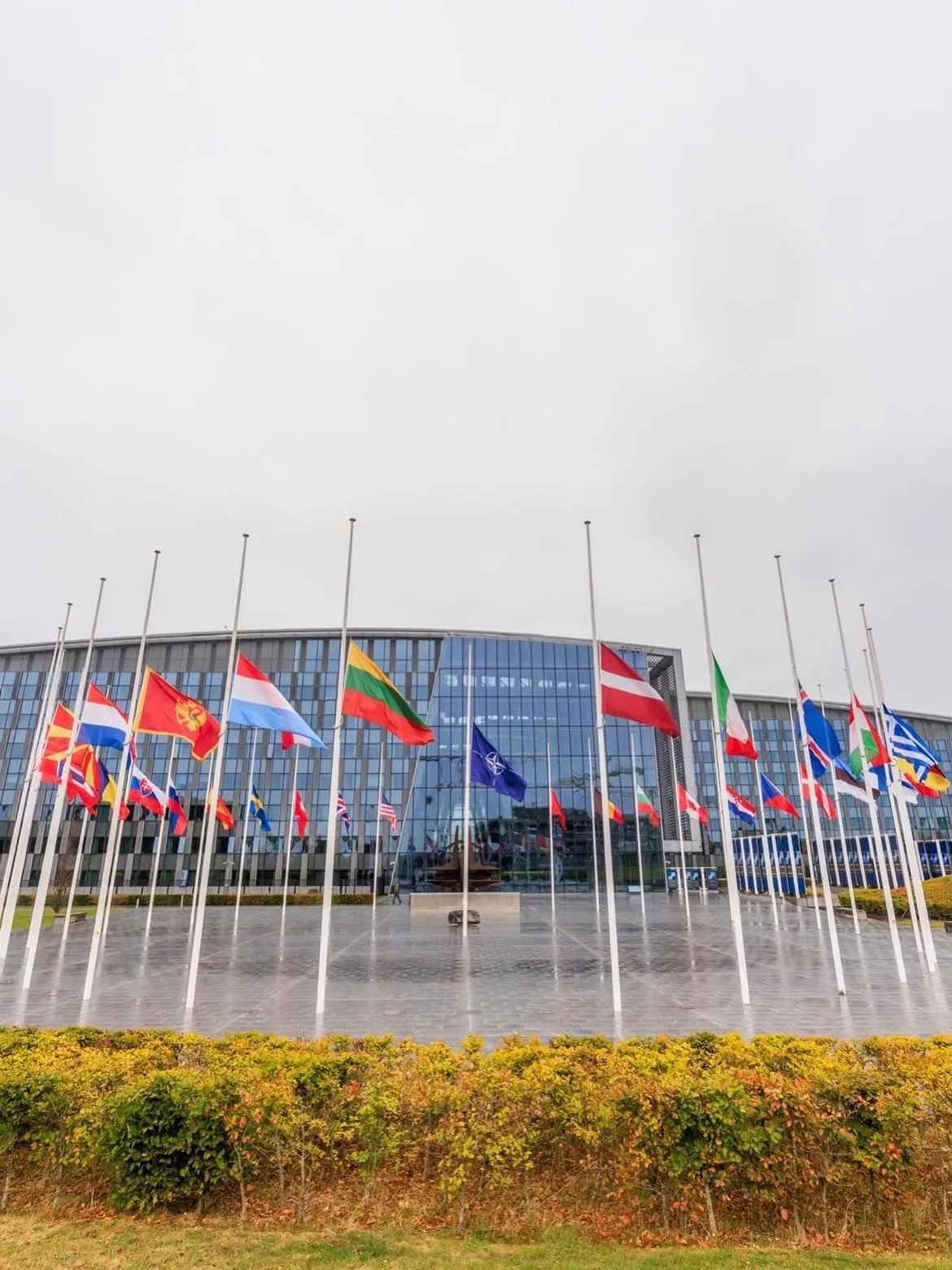
Intelligence assistance from Western allies encompasses various information-gathering technologies, transmission channels, analytical centers, and mechanisms for its use by the military. NATO defines the Joint Intelligence, Surveillance, and Reconnaissance (JISR) system as a tool for forming a comprehensive picture of the situation on land, in the air, at sea, in space, and in cyberspace.
At the same time, the Alliance is not a single intelligence body that automatically shares all classified data from member states with Ukraine: access depends on the source of the information, the rules governing its dissemination, and agreements between countries. The main types of information relevant to Ukraine are:
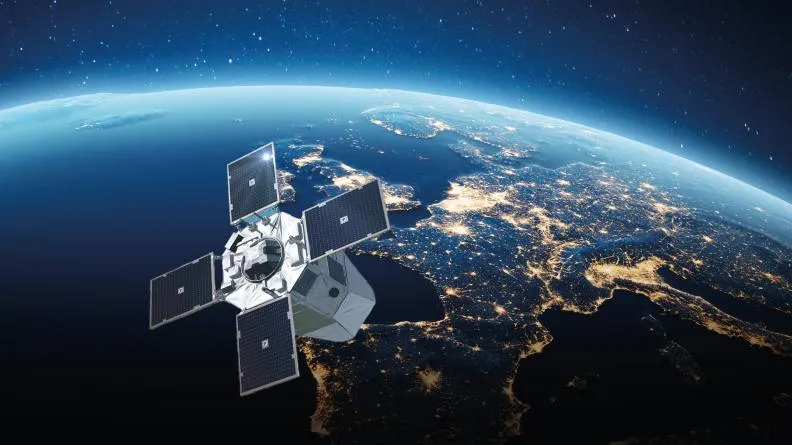
Space intelligence. Optical satellites photograph military facilities, airfields, depots, equipment, and changes in troop positions. Synthetic Aperture Radar (SAR) can capture images regardless of lighting conditions and, in many cases, through cloud cover. Regular imagery allows for tracking troop movements, the reconstruction of facilities, and the aftermath of strikes.
The United States possesses extensive government-run space-based reconnaissance capabilities, while European nations and commercial operators supplement these with their own systems. A key advantage of the United States lies not only in the quality of individual images but also in the scale, frequency of observations, and the ability to integrate various sources.
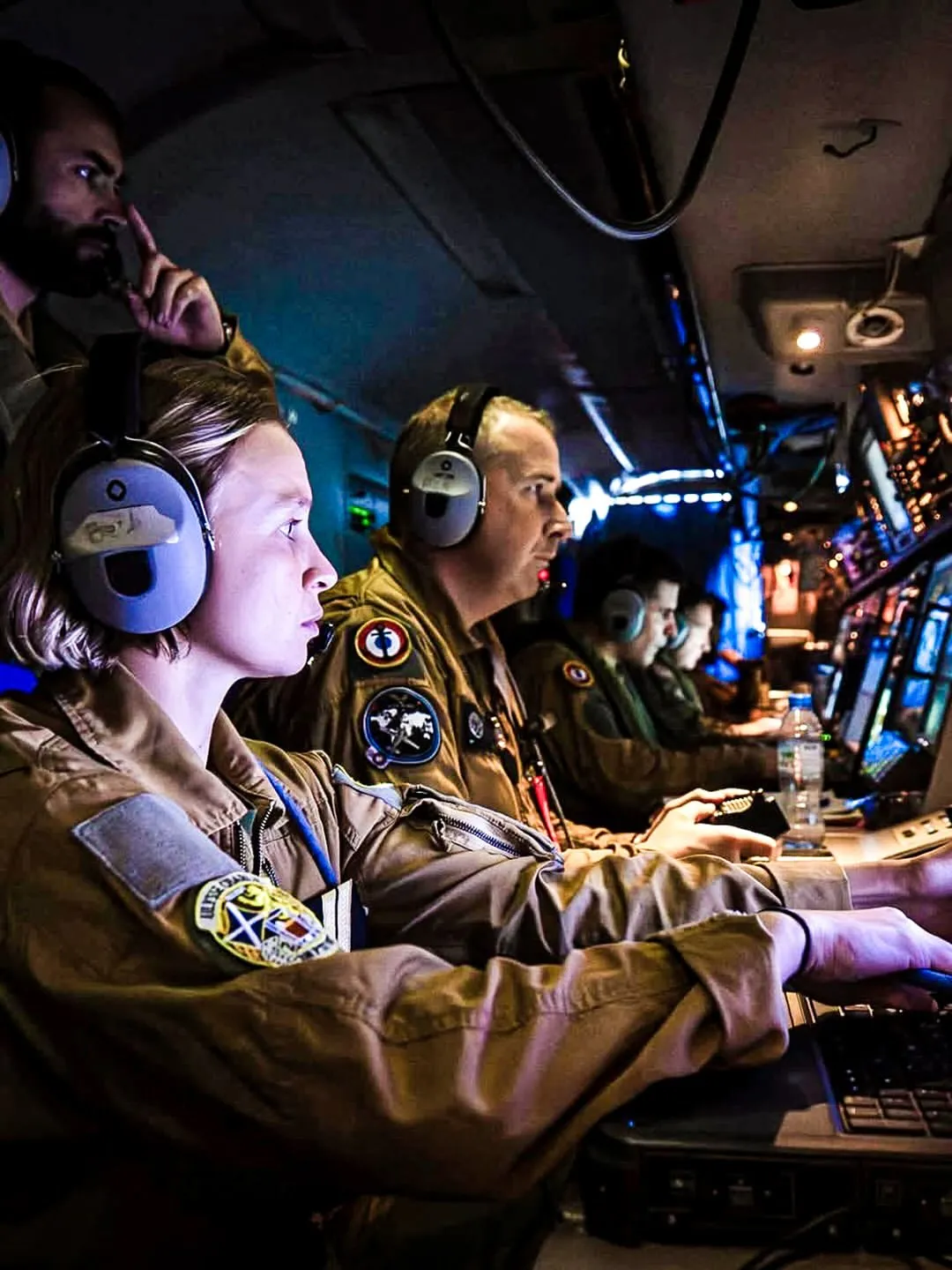
Electronic intelligence. Specialized aircraft, ground-based systems, and other assets can detect and analyze radio signals, radar activity, communications systems, and air defense systems. Such data helps determine the activity of Russian military systems, identify changes in their operations, and assess potential threats.
The most valuable information often lies not in a single intercepted signal, but in cross-referencing multiple signals with satellite imagery, radar data, and other sources.
Air Surveillance and Threat Warning. NATO’s AWACS long-range radar detection aircraft patrol the Alliance’s airspace, particularly over the eastern flank and the Black and Baltic Sea regions. They can detect and track aerial targets, monitor Russian aircraft, and gather information on military activity. NATO confirms that these flights help monitor the progress of the war against Ukraine.
However, NATO’s surveillance should not be equated with a guarantee that Ukraine will receive every warning of a missile launch. There are distinct technical and organizational stages between the detection of a threat, its classification, the transmission of information, and the receipt of the alert by the Ukrainian military.
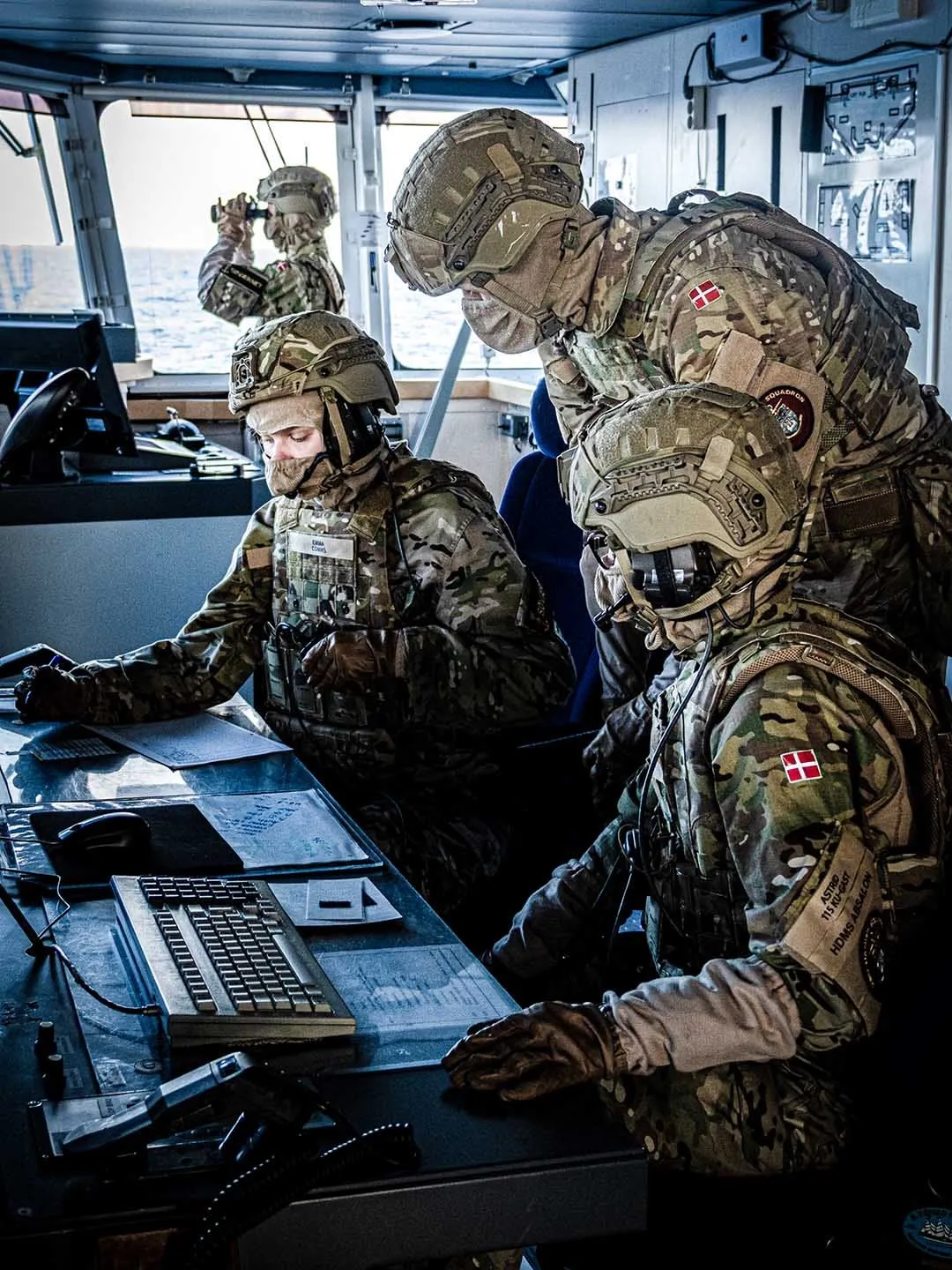
Operational and strategic intelligence. This includes assessments of the strength and deployment of Russian forces, the movement of reserves, preparations for offensive operations, the state of logistics, ammunition supplies, and the intentions of the Russian command. Information is gathered by combining satellite imagery, intercepts, battlefield data, human intelligence sources, and open-source information.
Such assessments are needed not only for planning specific strikes. They help determine where Russia might intensify pressure, which sections of the front line require reinforcements, and whether the enemy is preparing for a new operation.
Data for guiding high-precision weapons and assessing the results of strikes. Intelligence helps identify targets, refine their coordinates, determine whether their location has changed, and assess the results of strikes. For long-range systems, it is not only the initial coordinates that matter, but also the timeliness of the information, the accuracy of target identification, and the ability to distinguish a real target from a false one.
It is in this area that the consequences of restrictions on U.S. data can be particularly acute: even with a missile or drone at one’s disposal, access to weapons alone does not guarantee the ability to use them effectively against a moving or well-protected target.
These capabilities are not interchangeable. A commercial satellite can provide a high-quality image of a target but does not necessarily ensure continuous surveillance of it. A radar surveillance aircraft can detect activity in the air but does not replace all the capabilities of space-based and electronic intelligence. And a strategic assessment of the adversary’s intentions is not the same as an operational warning of a missile launch. Therefore, the consequences of potential limitations must be assessed not in general terms, but according to specific categories of data, the timing of their receipt, and the missions for which they are used.

Dmytro Snegirev: We receive intelligence not only from the U.S.
There are no signs that the U.S. plans to restrict the exchange of intelligence data with Ukraine. Reports in Western media on this topic should be viewed as active information operations aimed at shaping public opinion. It cannot be ruled out that Russian intelligence services may be involved in this. Their goal is to create a negative image of the United States and Donald Trump personally, according to military analyst Dmitry Snegirev. He illustrates this theory using the example of reports about a tanker carrying Russian oil that allegedly approached the U.S. coast to unload its cargo.
“These reports were widely circulated by Western media, and then by Ukrainian media, which didn’t even verify the information. In fact, the information about such a tanker was not confirmed. It’s worth noting that the original source that published this report later deleted it. This demonstrates the need to verify any information and wait for official statements. As we can see, there have been no official statements from the White House or the Pentagon regarding plans to restrict Ukraine’s access to intelligence data. There have been attempts at political speculation to link Russian ballistic missile strikes on Kyiv to an alleged suspension of intelligence sharing with the U.S.
The strikes were launched from Russian territory using S-400 air defense missile systems modified to engage ground targets. Due to the extremely short flight time of ballistic weapons, it is difficult to detect them in advance and to promptly warn the civilian population of the danger. Their flight time is limited to literally 3 minutes. Therefore, these are clear examples of speculation, if not disinformation.
At the same time, the Ukrainian Defense Forces continue to strike targets within the territory of the Russian Federation, and attacks by Ukrainian drones show no signs of stopping. The planning and execution of such operations are made possible precisely through the use of U.S. intelligence data. This primarily refers to satellite and technical intelligence data.
Thanks to American technology, the Ukrainian Armed Forces are able to rapidly process large volumes of intelligence information. This includes, in particular, satellite data from technical reconnaissance—specifically, data from satellites, electronic intelligence interception systems, and other sources—within 15 minutes.
There have been no official statements from the General Staff of the Armed Forces of Ukraine regarding the United States blocking these programs or halting the transfer of intelligence information. This indicates that intelligence data is being received in real time, and, most importantly, that it is being processed and decisions are being made in a timely manner—which is precisely what enables preemptive strikes against launchers used to attack Ukrainian territory, meaning both ballistic missiles and, accordingly, UAV launches. In general, this is a vast global body of information, without which it would be impossible to make the necessary decisions and conduct operational command and control of the troops.”
Even if there are such negative aspects on the part of the United States, this would not mean that Ukraine would completely lose access to intelligence data. Ukraine has diversified its sources of intelligence, particularly from our strategic partners—the United Kingdom and France—as Dmytro Snegirev points out.
Commenting on Zelenskyy’s statement regarding Russia’s “rather underhanded ballistic strike on Kyiv” and the lack of warning from partners, the military analyst emphasized:
“In 2026, Macron stated that France had assumed the role of one of the leaders in this area. France provides about two-thirds of all European intelligence data to Kyiv. Consequently, if there was a ‘dastardly strike,’ questions should first and foremost be directed at our French partners, not just the United States.
Moreover, the French side provides the Ukrainian Defense Forces with unique technical data, in particular through its own satellite-based electronic intelligence program. Period. So to whom were the complaints directed?”
Snegirev also notes that Kyiv’s official complaints are largely directed at the United States. “But why aren’t they focusing on France’s increased purchases of Russian gas?” the analyst asks, adding that France has its own satellite-based electronic intelligence programs. British intelligence agencies also share electronic intelligence intercept data with Ukraine.
In general, Snegirev believes it is unwise to publicly discuss the sensitive issue of intelligence sharing, just as it was unwise to publicly state earlier that there were no interceptor missiles.
“Let’s analyze this: why did the enemy change its tactics for strikes on Ukrainian territory after these statements? We effectively provoked the Russians ourselves: if there’s nothing to shoot them down with, then there’s no problem. Note that while 120 ballistic missiles were fired at Ukrainian territory in June, the numbers for July and August were 20 and 24, respectively. In other words, they realized: why use expensive ballistic missiles when they can terrorize Ukraine with jet-powered drones? Given that the Ukrainian air defense system lacks interceptor missiles, it consequently lacks interceptor drones as well.
In other words, we ourselves have provoked a change in the Russian side’s strategy. Whereas previously an air raid alert was sounded once a night and a massive attack occurred once every 10 days, now there’s an alert every hour.
So why make such a fuss? We’re shooting ourselves in the foot. Consequently, if a statement has now been made that we’re not being given intelligence, the question arises: are we actually provoking the enemy to intensify its strikes on Ukrainian territory?
But the main point is—we don’t receive intelligence only from the United States. This raises a logical question: has Europe also refused to share intelligence with us?
And it’s not just France, the United Kingdom, and Germany—the countries I’ve listed—that provide us with intelligence; they also have their own early-warning systems for missile launches. In addition to our European partners, we should also consider the capabilities of the “Five Eyes” alliance—the United States, the United Kingdom, Canada, Australia, and New Zealand.”




