
Since January, the military ombudsman has received nearly 8,000 complaints
Since officially launching its operations in January 2026, the Military Ombudsman’s Office has received and processed nearly 8,000 official appeals and complaints from Ukrainian servicemembers.
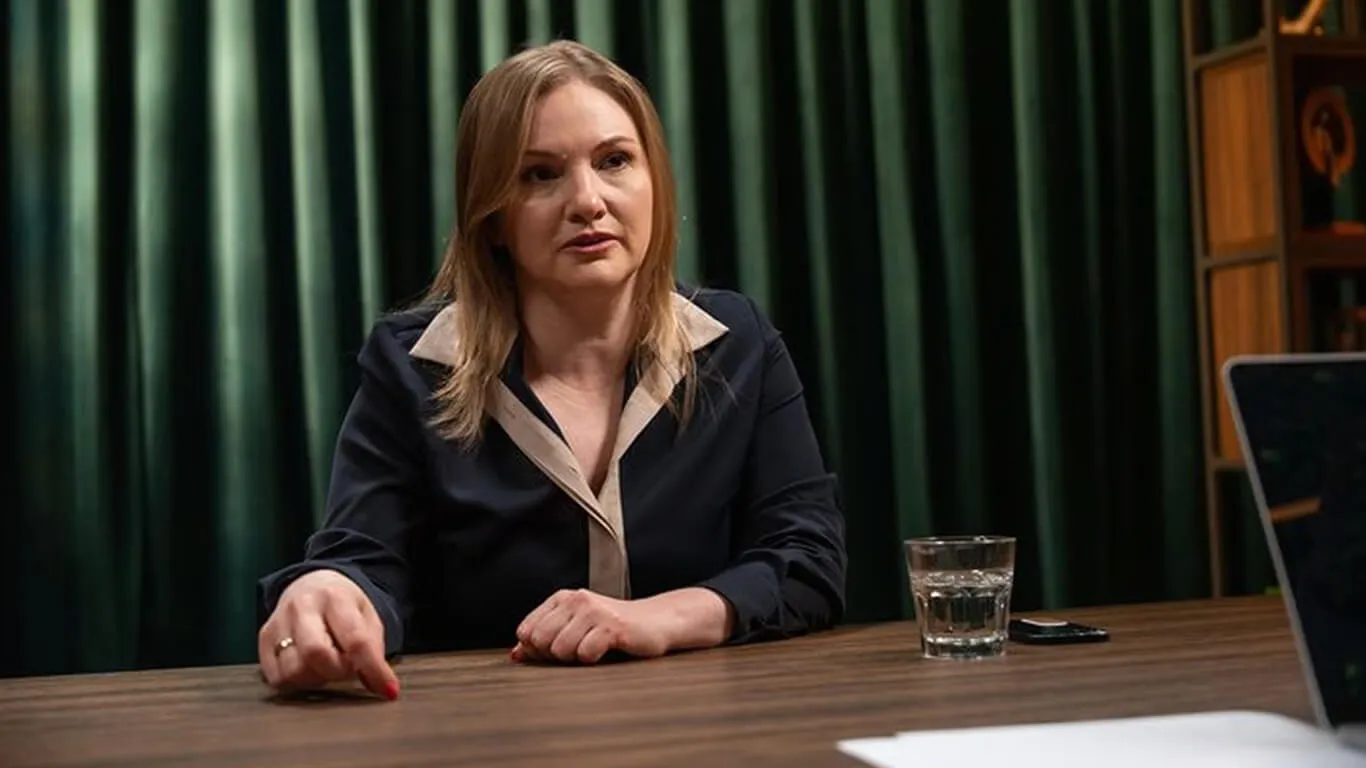
This was reported by Military Ombudsman Olga Reshetilova, who added that the most common reasons for the appeals remain issues with referrals for treatment and the process of military medical commissions (MMC).
The institution’s office, established pursuant to a decree by President Volodymyr Zelenskyy in October 2025, became fully operational in record time.
“It wasn’t easy, to be honest, and it’s a 24/7 effort by the entire team. But on January 27, we announced the launch of our operations and began officially accepting and processing complaints. Since then, we have received nearly eight thousand complaints. That is a huge amount of work. But we operate in accordance with the law: we receive a complaint, review it, and try to resolve the issue,” Reshetilova explained.
When it is not possible to resolve the situation on their own, the agency’s specialists initiate thorough on-site inspections of military units, particularly directly on the front lines, where they interview witnesses, soldiers, and commanders.
Based on the results of these investigations, the ombudsman prepares official conclusions and demands to address the identified violations. To date, the office has already sent more than 20 such demands to various military units, but the institution still lacks broader legislative leverage.
“To put it simply, if we conduct an investigation into a violation of servicemembers’ rights by a brigade commander, we send our findings to the corps commander with a demand to rectify the violation and take measures to prevent such violations from recurring. To date, we have already sent more than 20 requests to various military units and commanders. Some of them have already been fulfilled, while others have not,” noted the agency’s head.
The lion’s share of all the complaints we’ve received directly concerns medical care, as well as the deliberate delay in referring the wounded for treatment or medical examinations.
“To be honest, we don’t always know what to do with these complaints. If it concerns the Military Medical Commission (MMC), we have no authority: we are not medical professionals and cannot evaluate the diagnoses made by doctors. There is one way for a servicemember to appeal an MMC decision—by filing a complaint with the Central Military Medical Commission. But if the issue is a failure to refer a soldier to the VMC or for treatment—then, of course, we respond and immediately contact the military unit,” clarified Olga Reshetilova.
At the same time, about 3% of the total number of complaints received concern instances of psychological pressure, threats, or the use of direct physical violence against personnel.
“We have a database, and when we look at a specific unit, we see the number of complaints of violence in that unit and can understand the situation there. While the average across the Defense Forces is 3%, in one of the assault regiments it is 16% of the total number of complaints,” the ombudswoman emphasized.
She added that commanders often attribute such cases to strict disciplinary requirements or interpersonal conflicts.
Military Ombudsman Olga Reshetilova spoke about this in an interview with Suspilne.
In May, the Armed Forces of Ukraine liberated 120 square kilometers more territory than they lost
Less than 29.5 million people live in territory controlled by Ukraine, according to a study.
Ukraine’s population is rapidly shrinking, and experts’ forecasts are becoming increasingly alarming.
We have also previously reported that 29 million people currently live in Ukraine. Our country is no longer the second-most populous country of the former Soviet Union.


