
Water levels in the Dniester Reservoir have fallen to a historic low
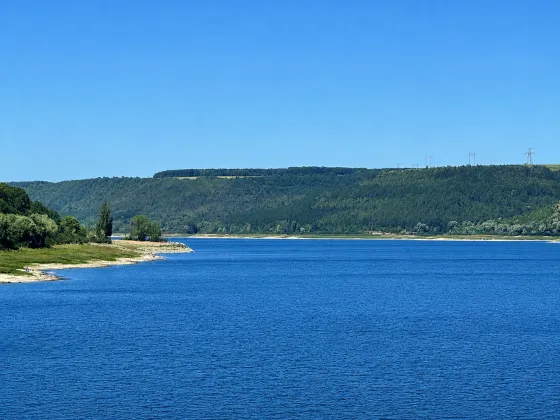
As of August 20, the water level in the Dniester Reservoir reached its lowest level on record for that date.
Natural inflow has dropped to approximately 20% of the August average—about 51 m³/s compared to the normal 256 m³/s. Since the beginning of August, the reservoir level has dropped by 76 cm and currently stands at 112.34 m.
Due to the critical low water levels, Ukrhydroenergo has focused on conserving existing reserves and using water as sparingly as possible. The operation of the Dniester Hydroelectric Complex takes into account the needs of the power sector, water intakes, and local communities, as well as the required water level in the Dniester River downstream.
The future operating regime of the reservoir will depend primarily on how the actual inflow of water changes.
Source: Ukrhydroenergo.
This summer’s heat waves could result in a loss of up to €180 billion in the European Union’s GDP, according to estimates by economists at the Dutch bank Triodos. High temperatures are affecting electricity production in France, freight transport in Germany, and labor productivity in several European countries, reports The Guardian.
Prolonged heat waves in Europe are leading to a drop in sales, production shutdowns, and significant financial losses. At the same time, traditional insurance often does not cover losses related to temperature anomalies.


