
Zaporizhstal has halted operations following the attack—what does this mean for Ukraine?
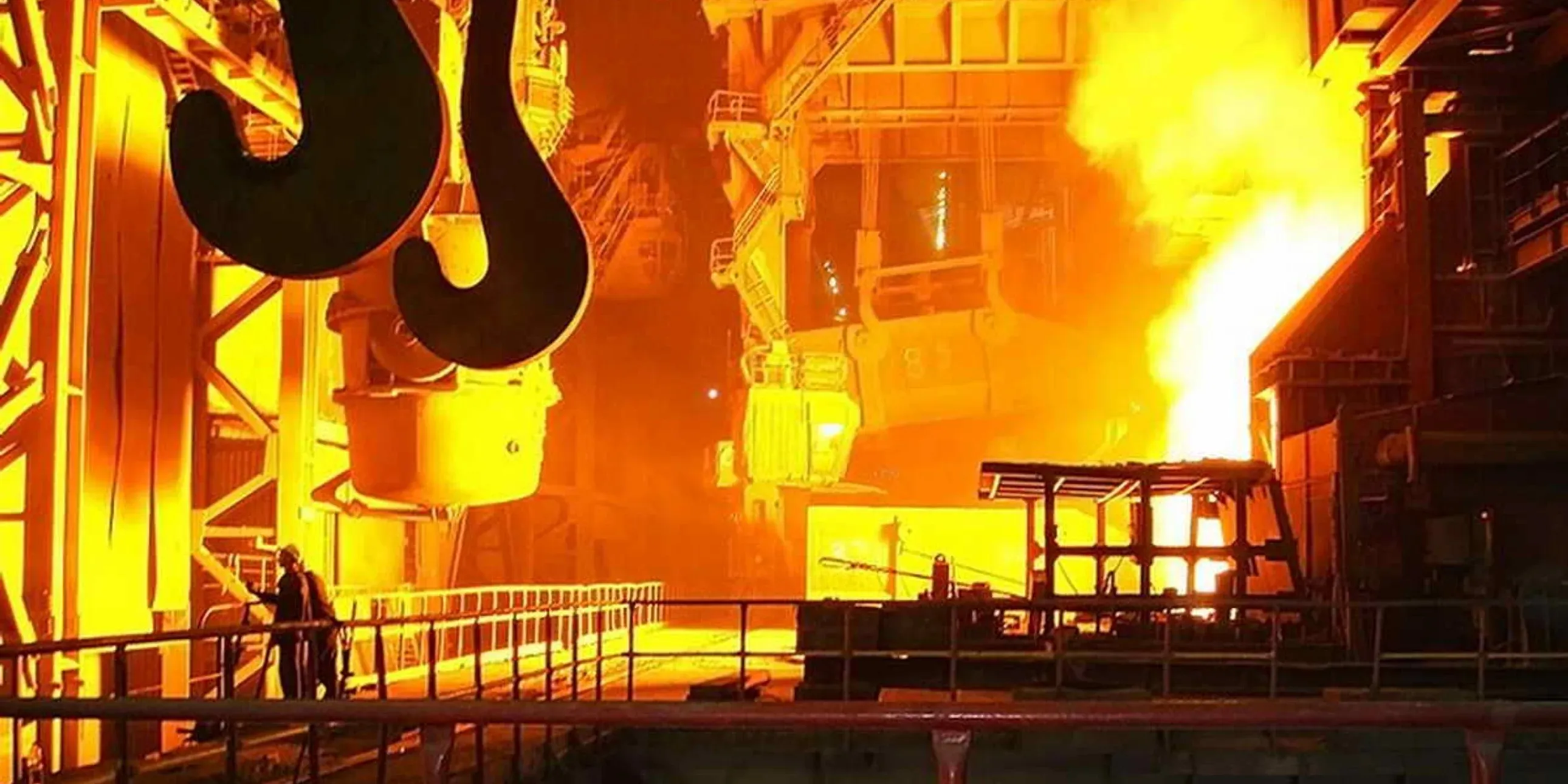
Following the Russian attack on August 11, Zaporizhstal, the largest industrial complex in the Zaporizhzhia region, halted operations. According to economist Anatoliy Amelin, the plant accounted for about 43% of all steel produced in Ukraine, so its shutdown will affect not only the steel industry but also transportation, related businesses, and the livelihoods of thousands of people.
On August 11, a Russian ballistic missile strike brought Zaporizhstal to a halt. Seven employees were killed in the attack, and another 21 were injured. The workers were on their way to a shelter after an air raid siren sounded. The scale of the loss to the industry can be gauged by the numbers.
Last year, Zaporizhstal produced 3.6 million metric tons of pig iron and 3.2 million metric tons of steel. In all of 2025, Ukrainian steel mills collectively produced 7.4 million metric tons of steel. In other words, a single steel mill accounted for about 43% of the country’s steel production. Zaporizhstal’s products were sold in more than 50 markets. Pig iron, in particular, was shipped to the U.S., while rolled steel was exported to European countries.
The company also generated significant revenue. In the first half of this year, its revenue totaled 38.7 billion hryvnias. If we extrapolate this figure to the full year, it amounts to approximately 77 billion hryvnias. However, this is only a rough estimate based on first-half figures.
A Blow Not Just to the Plant
About 8,000 people worked at Zaporizhstal. But the impact of such a company extends far beyond the number of its employees. The steel industry creates demand for products and services from dozens of other sectors. The plant requires refractory materials, limestone, ferroalloys, repair crews, transportation, and other services. According to the industry association Eurofer, one job in the steel industry supports an additional 7.6 jobs in other sectors of the economy.
Therefore, the shutdown of a large steel mill is felt far beyond its premises. Suppliers, carriers, repair companies, and other businesses operating around the plant are receiving fewer orders. This also has a separate impact on the railways. Zaporizhstal provided Ukrzaliznytsia with a large and regular flow of freight. The company does not disclose exact data on its volume, so it would be incorrect to cite specific figures.
What’s Next
Economist Anatoliy Amelin emphasizes that the shutdown of Zaporizhstal is not just a problem for a single enterprise. It represents the loss of a significant portion of Ukraine’s steel production, export revenue, and tax revenue, as well as a blow to a large number of companies that were tied to the plant’s operations. At the same time, the ultimate scale of the consequences will depend on how long the plant remains out of operation and whether it will be possible to restore its production capacity.
For Ukraine, this is yet another example of how Russian strikes target not only individual facilities but also the industrial backbone of the economy. The shutdown of a single large enterprise immediately affects production, exports, the railways, suppliers, and people’s incomes.
That is precisely why, in the wake of such attacks, the question is no longer just about restoring a specific plant, but also about how to preserve Ukrainian industry during the war and what to do when key enterprises are under constant threat of attack.
Russian forces launched a ballistic strike on civilian industrial sites in Zaporizhzhia. An enemy missile struck facilities at the Zaporizhstal steelworks just as employees were heading for shelter after an alarm was sounded. As a result of the attack, seven plant employees were killed, and another 21 people sustained injuries of varying severity.


