
Why Russia Might Establish Drone Bases in Belarus
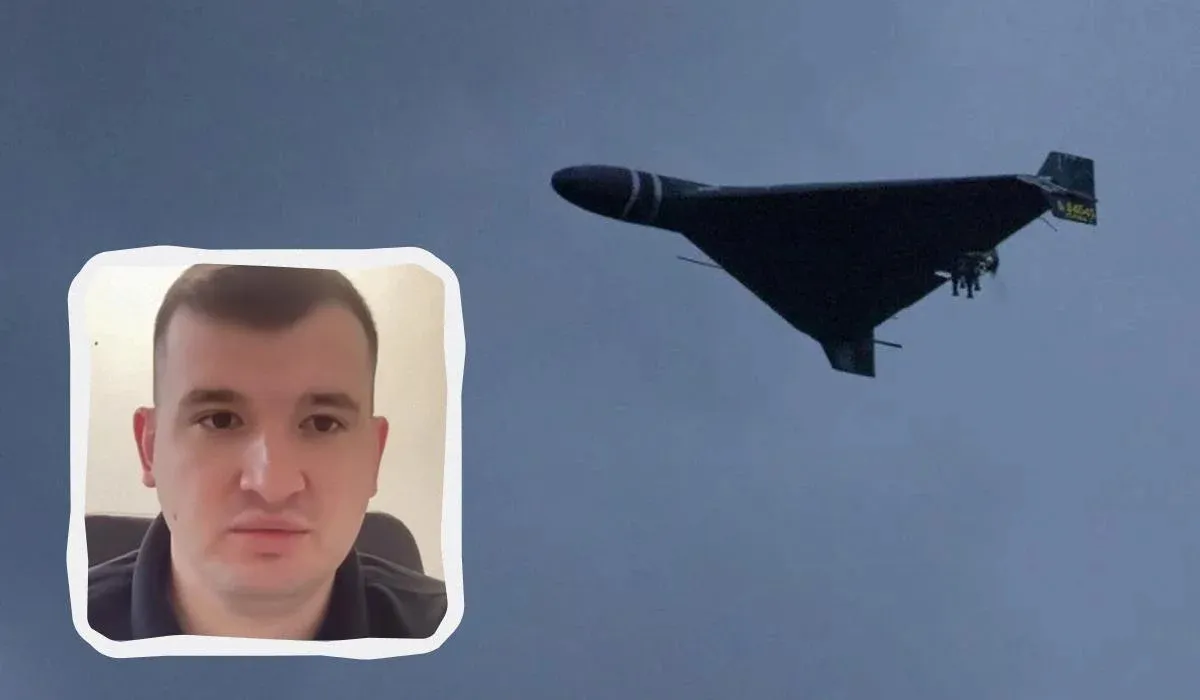
Russia could establish bases in Belarus to launch long-range drones. Experts link this possibility to Alexander Lukashenko’s desire to maintain Kremlin support. However, such facilities are unlikely to become operational in the near future. This was stated by Dmytro Zhmailo, Executive Director of the Ukrainian Center for Security and Cooperation, on 24 Kanal.
According to him, in the short term — including this year — the launch of such bases is improbable. Nevertheless, the scenario itself is entirely realistic. Zhmailo explains this by Lukashenko’s political strategy: maintaining Moscow’s loyalty is crucial for him. “Lukashenko needs to ‘bend’ to keep Kremlin support. That’s why such bases could be built, and the ‘Oreshnik’ system could be deployed,” he noted.
At the same time, Zhmailo emphasizes that Lukashenko himself is not interested in directly involving Belarus in the war. The reason is simple — Russia currently does not show a clear advantage on the front. “Russia currently definitely does not have any advantage to justify Belarus’ involvement, and it is not winning,” the expert said.
He also noted that Minsk’s position is influenced by external factors. In particular, it benefits Lukashenko that part of Belarus’ international isolation is gradually easing. “He likes that Trump broke the blockade of the Belarusian regime, and now sanctions are gradually being relaxed,” Zhmailo added.
Analysts also point to the broader context. Russia continues to increase its military presence along NATO borders — from Finland southward. In this context, Belarus is seen as an important strategic foothold. European experts even call it the “Belarusian balcony” — a territory from which it is convenient to influence the situation in the region.
Zhmailo notes that potential bases could be used not only for demonstrating power but also for actual attacks, including against Ukraine. At the same time, he stresses that if such a threat emerges, Ukraine would no longer act as cautiously as it did at the beginning of the full-scale war. “This is no longer 2022, when Western partners warned Ukraine against preventive strikes,” the expert emphasized.
In conclusion, the situation remains tense. Belarus continues to balance between the desire to avoid being drawn into the war and the need to demonstrate loyalty to Russia, creating new risks for the region.
