
Flash explained the tactics behind Russia's massive strike on Kyiv
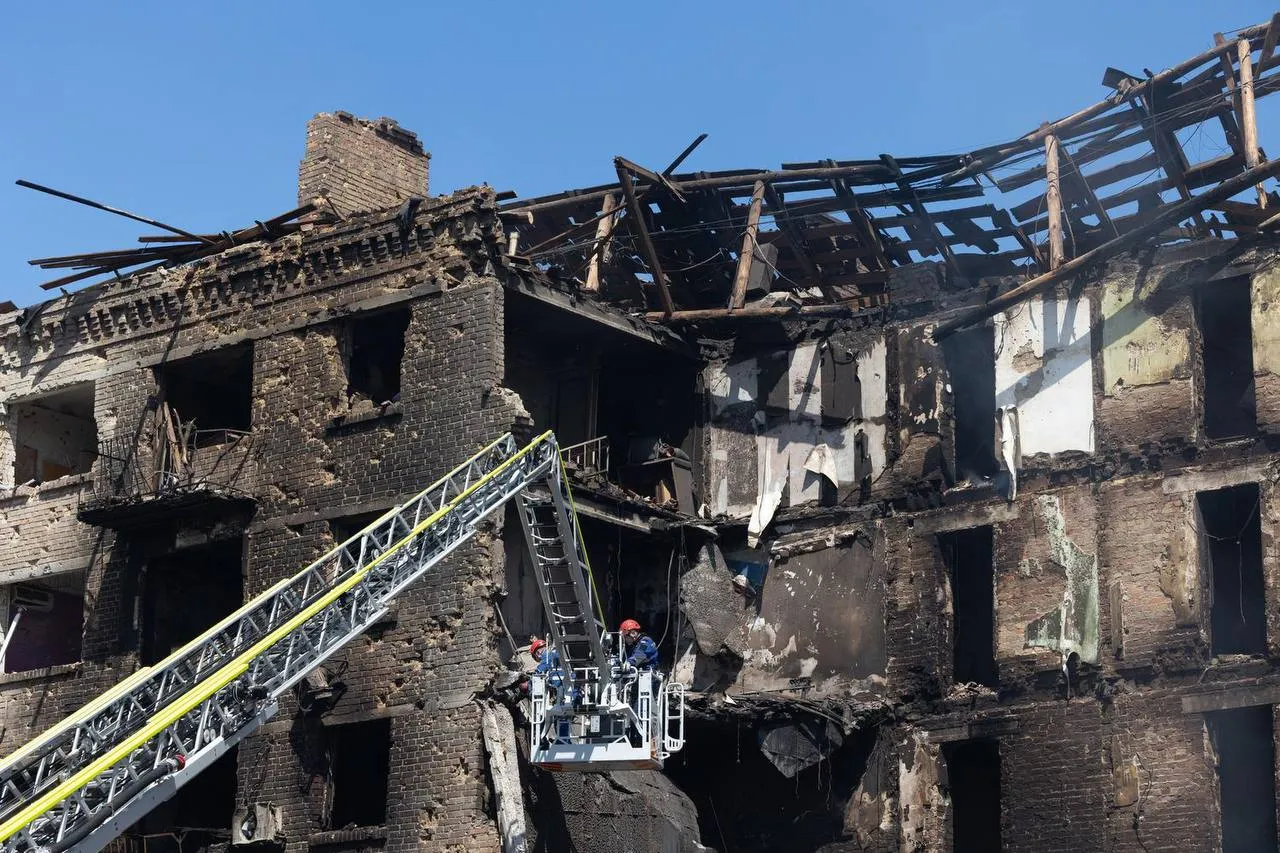
The massive Russian attack on Kyiv on the night of May 24 was aimed at overwhelming Ukraine’s air defense system rather than achieving specific military objectives.
This was stated by Sergey Beskrestnov, a communications systems expert and advisor to the Minister of Defense (“Flash”).
According to him, the Russians’ main strategy was to launch a large number of missiles—too many to be intercepted simultaneously by the available air defense resources.
At the same time, as the expert noted, the Ukrainian Defense Forces demonstrated better results in combating attack drones. According to his assessment, over 40% of the downed “Shaheds” were intercepted by new systems, indicating an improvement in defense effectiveness.
During the attack, Russia also deployed “Geran-3” and “Geran-4” jet drones, which struck the capital from the north.
According to Beskrestnov, the targets selected in Kyiv had no real military significance, and the strike itself was more of yet another act of terror against the civilian population.
In Kyiv’s Shevchenkivskyi district, a hit on a business center was recorded following the Russian Federation’s massive nighttime attack. Preliminary reports indicate that people may be trapped inside the shelter.
As a result of Russia’s massive missile and drone attack on Kyiv, a shock wave damaged the ground-level lobby of the Lukyanivska metro station.
On the night of May 24, Russian forces carried out a massive combined attack on Kyiv, using ballistic missiles and strike drones. All districts of the capital came under fire.
On the night of May 24, Russian forces carried out a massive attack on the Kyiv region, using strike drones, cruise missiles, and ballistic missiles. The shelling resulted in casualties and damage across all districts of the region.


