
Following record-breaking attacks on oil refineries, gasoline production in Russia fell by nearly 20%
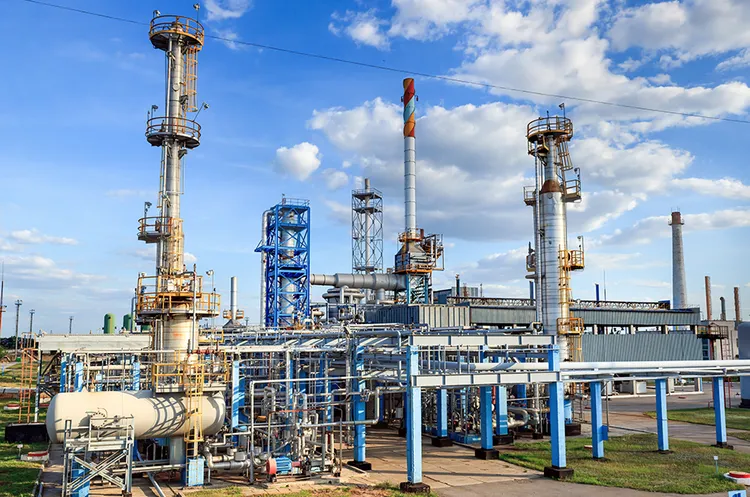
Gasoline production in Russia and its supply to the domestic market fell by nearly 20% year-over-year during the first three weeks of August. Diesel fuel production during this period fell by more than 23%, Bloomberg reports, citing a source familiar with the data.
Total crude oil refining volume in Russia fell to nearly its lowest level in more than 20 years. According to EA Analytics, a division of the consulting firm Energy Aspects, Russian refineries processed an average of just over 3.8 million barrels of crude oil per day in August. In previous summers, this figure stood at about 5.3–5.5 million barrels per day.
Despite a drop in diesel production of more than 23%, its supply to the domestic market fell by only 3%. Bloomberg attributes this to the summer ban on most diesel exports. Before Ukraine began striking Russian refineries, Russia accounted for about 10% of global supplies of this type of fuel, but now a significant portion of these volumes remains within the country.
EA Analytics forecasts that refining could rebound to nearly 4.2 million barrels per day in September. At the same time, Energy Aspects analyst Louis Neve-House warned that the forecast may not materialize if Ukrainian strikes on oil refineries continue at their current intensity.
Russia is facing a new wave of fuel shortages
The drop in refining comes amid a record number of attacks on Russian refineries. According to Bloomberg’s calculations, facilities suffered at least 21 attacks in August—the highest number for any single month. In particular, four of Russia’s ten largest refineries—which supply fuel to the country’s most densely populated and industrially developed regions—were targeted.
In the second half of July, the intensity of the attacks decreased, which helped slightly improve the fuel supply situation. However, in August, the shortage returned, triggering a new wave of the fuel crisis. Restrictions on gasoline sales are in effect in dozens of regions, and problems with availability are being reported even in Moscow and the Moscow region.
According to Bloomberg, lines of 30–50 cars at Moscow gas stations are no longer an unusual sight. An analysis by “The Agency,” based on data from the “GdeBENZ” service, showed at the end of last week that more than 30% of Moscow gas stations were out of gasoline.
Russian authorities are trying to increase the supply of fuel on the domestic market. Exports of most gasoline are banned until the end of January 2027, and the government is also considering extending restrictions on diesel fuel exports.
In addition, Russian authorities are preparing a package of measures to control the circulation and pricing of fuel. Possible steps include introducing indicative prices for certain regions and tightening control over fuel costs at all stages of supply.
At the same time, sources at *Kommersant* warned that if the indicative prices effectively turn into strict restrictions, supplying fuel to regions facing shortages could become economically unviable.
Since the beginning of 2026, Ukrainian drones and long-range missiles have damaged at least 28 of approximately 48 Russian oil refineries, according to estimates by French OSINT analyst Clément Molin. In total, he recorded 81 strikes on oil refineries, with 17 of Russia’s 20 largest refineries having been targeted.
The NORSI (Nizhegorodnefteorgsintez) refinery, which ranks fourth in Russia in terms of oil refining capacity and second in gasoline production, suspended operations following an attack by Ukrainian drones.
In addition, Russia has reached an agreement with Kazakhstan to refine Russian oil at the local “Kondensat” refinery amid fuel shortages and reduced operations at its own oil refineries. Up to 70% of the gasoline and diesel fuel produced is planned to be returned to Russia, while the remainder will remain on the Kazakh market.




