
Putin is not changing course and continues to fund the war
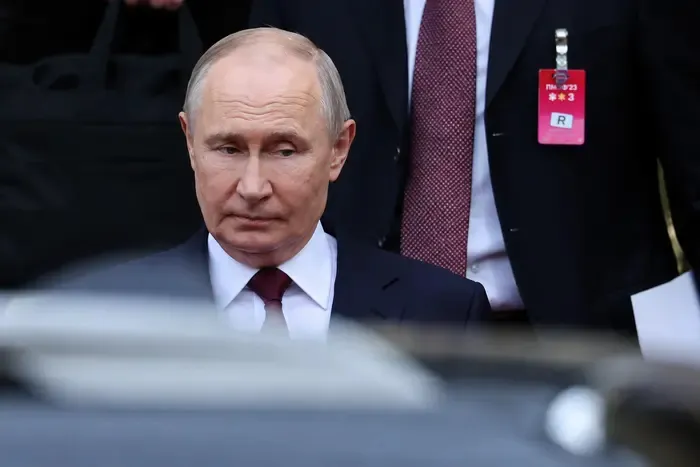
Analysts at the Institute for the Study of War (ISW) state that Vladimir Putin has no intention of cutting spending on the war against Ukraine, despite the increasingly difficult situation in the Russian economy. According to experts, the Kremlin still believes it can achieve its goals through military means.
Experts also believe that the Russian leadership is receiving a distorted picture of the actual situation on the front lines due to exaggerated reports from its own military command.
Russian dictator Vladimir Putin continues to bet on the war against Ukraine, not cutting military spending even amid growing economic difficulties in Russia itself. Analysts note that this stance by the Kremlin indicates Putin’s confidence that he remains capable of achieving his military objectives in the medium term or even in the immediate future.
The report emphasizes that the Russian leader is likely receiving distorted information about the actual situation on the front lines, as the Russian military command has repeatedly submitted inflated reports of its own successes. “Putin’s unwillingness to cut defense spending and scale back military efforts indicates that he believes victory in the war is possible in the near or medium term, and that he is convinced the Russian economy can withstand such pressure,” ISW analysts note.
Experts point out that similar distortions of information within the Russian military have been documented before, when generals exaggerated the scale of their achievements on the battlefield. At the same time, analysts point out that the Kremlin finds itself in a difficult situation: cutting military spending could weaken the army, especially against the backdrop of Ukrainian strikes on rear facilities and active operations by the Defense Forces.
According to ISW estimates, it is precisely the fear of losing the military initiative that is forcing the Russian leadership to continue directing significant resources toward continuing combat operations, even despite economic pressure and long-term risks for Russia itself. This is stated in a new report by the U.S. Institute for the Study of War (ISW).


