
Putin fears the fate of executed Tsar Nicholas II — Kellogg
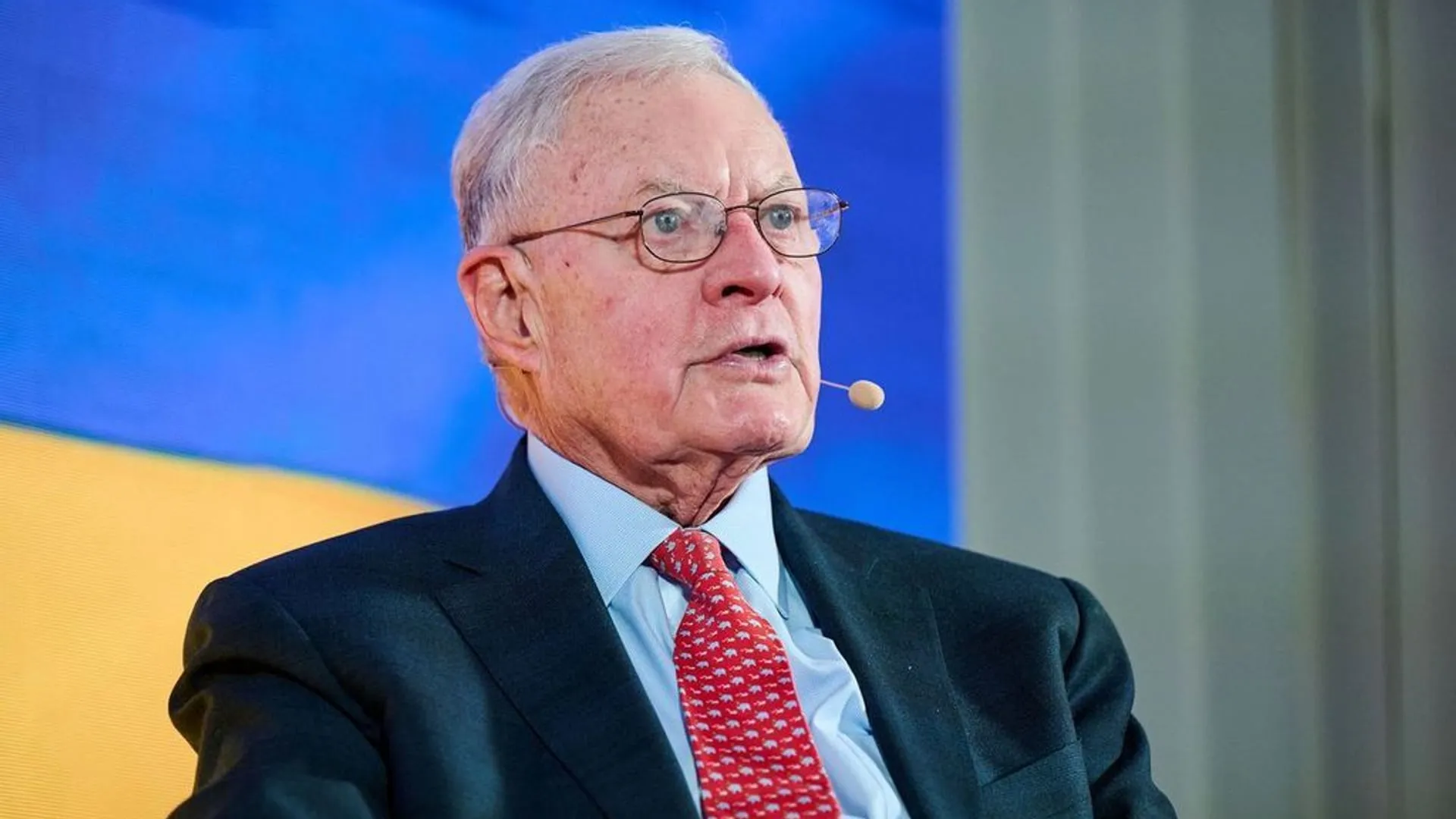
Russian dictator Vladimir Putin recognises that a military victory over Ukraine is impossible, yet he is panic-stricken by the prospect of sharing the fate of the last Russian monarch.
This was stated by Keith Kellogg in an interview with Japanese broadcaster NHK.
According to the American general, the key to a ceasefire lies in the Kremlin accepting the reality that the aggressor can no longer capture new territory. Russia has already exhausted its offensive potential and must reckon with the catastrophic consequences of its reckless campaign.
“Putin must understand that he will gain no more Ukrainian land and also acknowledge Russia’s inability to win the war,” Kellogg emphasised.
He noted that the occupier’s economy continues to suffer enormous losses due to international sanctions.
The general also drew attention to the demographic disaster facing Russia on the battlefield. According to his estimates, total human losses of the aggressor could reach staggering numbers — from 1.2 to 1.4 million killed and seriously wounded.
Such losses create serious internal risks for the regime, forcing the Kremlin leader to draw parallels with events a century ago. Putin fears responsibility for his actions and a possible internal coup due to failures at the front.
“Putin is concerned that he could become another Nicholas II, the last Russian tsar, who was executed after his abdication,” Kellogg said.
It is precisely this fear of losing power and being physically eliminated that prevents the dictator from acknowledging defeat.
Kellogg pointed out that a technical ceasefire would be possible if the conflict were frozen along the current front line. However, it is Russia that is blocking the process, making absurd demands that Ukrainian forces withdraw from Donbas.
“Yet it is Putin, not Ukrainian President Volodymyr Zelensky, who does not want a ceasefire and insists that Ukrainian troops leave Donbas, while Ukraine refuses to give up the territory under its control,” the American official concluded.
For context, former Trump special envoy for Ukraine Keith Kellogg, who left the administration at the end of 2025, explained his departure as a desire to free himself from official restrictions that prevented him from speaking openly about Russian aggression. Kellogg was also effectively sidelined from participating in negotiations on Ukraine.
