
Russia is using medical care as a means of exerting pressure on Ukrainian prisoners of war
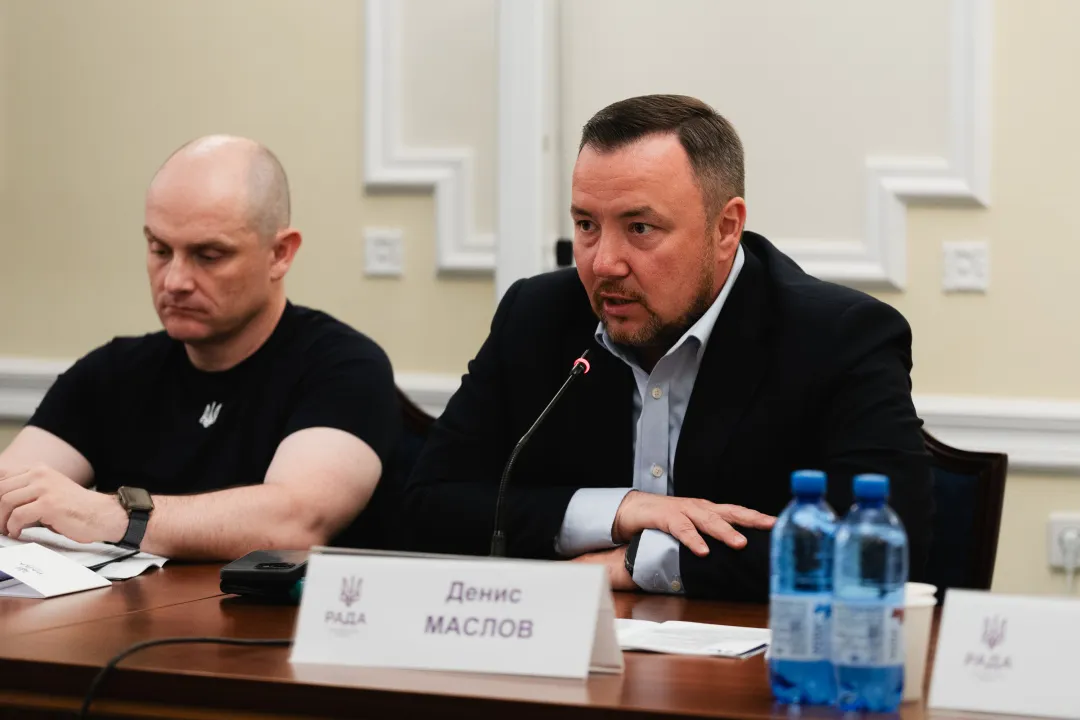
Russia is accused of systematically denying Ukrainian prisoners of war adequate medical care. According to human rights activists, medical treatment in detention facilities may be used as a form of pressure, torture, and dehumanization.
This was reported by Andriy Mikheev, a leading legal expert with the ANTS Network and the International Center for Ukrainian Victory (ICUV), during the presentation of the study “Violations of Prisoners of War’s Rights to Health Care and Medical Treatment: Consequences, Classifications, and Prospects,” according to a Ukrinform correspondent.
He emphasized that the study is the first to comprehensively analyze the medical dimension of Russian crimes against Ukrainian prisoners of war.
According to the expert, this is not about isolated cases of cruelty, but about a systematic policy of denying medical care, abuse, and dehumanization of Ukrainian prisoners. “These are not simply crimes committed by individual Russians, which they could deny. This is a crime of the Russian system of healthcare for prisoners of war, which should exist in accordance with the Geneva Conventions, but in fact does not exist and does not function,” Mikheev stated.
The expert noted that the rights of prisoners of war are protected by international law, specifically the Geneva Convention, which defines a state’s obligations regarding medical care.
“We have documented beatings and torture for demanding medical treatment, deaths due to lack of medical care, the use of psychotropic drugs, tooth extractions without anesthesia, and other cases of cruel treatment. All of this bears the hallmarks of war crimes,” Mikheev emphasized.
According to the study, upon returning from captivity, 90% of those released showed physical injuries and signs of torture, as well as numerous chronic and mental disorders, including PTSD, depression, and damage to the nervous system.
Among the key findings is also the need to strengthen international investigations, sanctions pressure, and cooperation with the ICC to hold the perpetrators accountable.
Released servicemen and government officials emphasize that Russia’s crimes against prisoners of war are systematic in nature and require an international response—ranging from sanctions to criminal prosecution and the return of prisoners to their homes.
On May 15, the 74th prisoner exchange between Ukraine and Russia took place, during which 205 Ukrainian servicemen returned home.
Ukraine and Russia conducted a prisoner-of-war exchange on a 205-for-205 basis, according to preliminary data from reports by the Russian side and Telegram channels. Official details regarding the location, time, and lists of participants are currently being clarified.
Ukraine has managed to repatriate over 9,000 of its citizens from Russian captivity, including both military personnel and hundreds of civilians. This was reported by Ombudsman Dmytro Lubinets, who emphasized that efforts to bring people home are ongoing.
In 2025, Ukraine recorded a record number of civilian deaths since the start of the full-scale war. According to official data, Russia remains the biggest violator of human rights, and the number of victims and the extent of destruction continue to rise.


