
The developer of "Novichok" predicts mass poisoning of Russians due to the fire in Tuapse
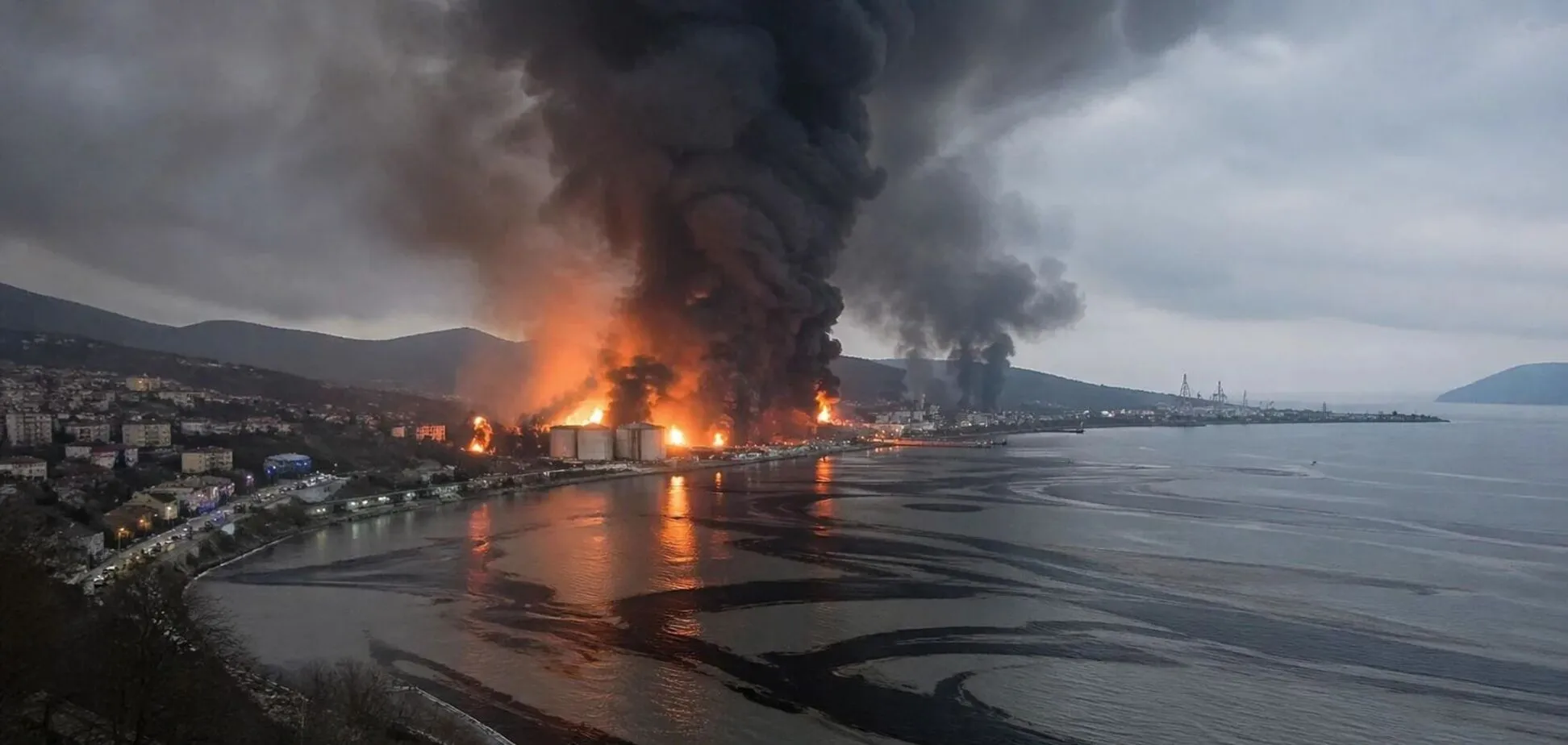
Chemist Vil Mirzayanov, one of the creators of the toxic substance “Novichok,” has warned that the combustion products from the oil refinery in Tuapse pose a deadly threat to the Russian population.
He wrote about this on his Facebook page, emphasizing that the smoke contains polyaromatic compounds and potent carcinogens. According to the chemist, once these substances enter the human body, it is impossible to eliminate them, and the toxins themselves can be carried by air currents thousands of kilometers from the epicenter.
The fire at the Tuapse Oil Refinery, caused by drone attacks, has been burning since April 20, blanketing the sky with thick black smoke that has already reached Stavropol and Sochi. Mirzayanov expressed concern over the lack of official data on air quality and the composition of the “oil rain” falling in the region, calling for immediate mass spectrometry studies. Mirzayanov insists on the importance of making the results of these analyses public to assess the true extent of the contamination. The consequences of this contamination are expected to manifest over many years.
Environmentalists confirm the seriousness of the situation, pointing to the risks of acid rain, which threatens not only human health but also the fertility of agricultural land along the coast.
As a reminder, a massive fire continues at an oil terminal in the Russian city of Tuapse, which broke out after a strike by Ukrainian drones on April 16. Firefighters have been unable to fully extinguish the blaze for several days in a row.
Residents of Tuapse, Russia, are increasingly complaining about the unbearable living conditions in the frontline city. The once-popular resort has turned into a zone of environmental disaster and constant danger due to regular explosions at local industrial facilities.
On the night of April 20, Ukrainian defense forces successfully attacked a number of strategic targets, including an oil refinery in Tuapse and two large amphibious assault ships in occupied Sevastopol.
