
The Ukrainian Armed Forces' unmanned systems have increased their destruction of enemy targets 12-fold
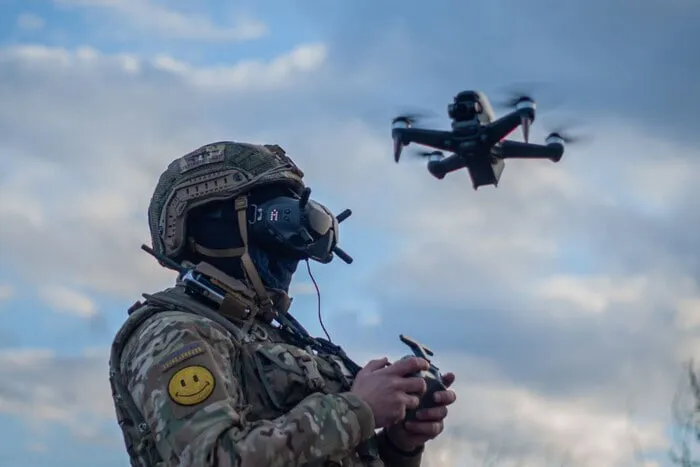
Since the beginning of 2026, the Ukrainian Armed Forces’ Unmanned Systems Forces have significantly improved their combat effectiveness. The number of enemy targets struck in operational and strategic depths has increased by 1,150%, indicating a significant intensification of drone operations on the front lines.
According to military officials, in June alone, UAS units carried out thousands of combat missions across various fronts.
“In June alone, UAS units, in coordination with other components of the Ukrainian Armed Forces, struck 172 targets within the enemy’s military-industrial and fuel-energy complexes,” the UAS reported.
Over 8,500 combat missions were carried out in a single month
In June, UAS operators carried out:
Deep Strike (500–2,000 km) – 2,359 combat missions, 172 strategic targets struck;
Middle Strike (150–300 km) – 3,406 combat missions, 1,682 targets hit or destroyed;
Front Strike (25–150 km) – 2,747 combat missions, 1,265 targets hit or destroyed.
The primary targets remain military-industrial complex facilities, fuel and energy infrastructure, ammunition and fuel depots, logistics, military equipment, command posts, and enemy personnel.
Oil refineries, military bases, and ports were targeted
Among the facilities that the SBS reported as having been struck are the Astrakhan gas processing plant, the Ilsky, Afipsky, Novokuybyshevsky, Moscow, Slavyansky, and “Lukoil-Nizhegorodnefteorgsintez” oil refineries, the “Petergofskaya,” "Rozsosh," and Surovikinsk oil depots; the "St. Petersburg" and "TES-Terminal-1" oil terminals; the "Caucasus" port; the "Kronstadt" naval base; the 15th Arsenal of the Russian Navy, the corvette “Boyky,” and the space communications centers “Dubna,” “Skolkovo,” and “Medvezhy Ozera.”
The temporarily occupied Crimea remains a separate area of focus for the SBS.
“It’s a proven fact: Bird-2026 is bringing the devastating effects of war onto the occupier’s territory,” said Robert “Madyar” Brovdi, commander of the Unmanned Systems Forces.
For the second time in a week, the SBU struck the Saki airfield and the Gvardeyskoye base in Crimea.
In addition, according to local Telegram channels, at least five power substations caught fire in the temporarily occupied Crimea following a nighttime attack on July 3. There are also reports of a possible fire at another power facility.
As a reminder, the fuel shortage in Crimea has triggered a wave of mass layoffs and business closures.
Earlier, the Russian presidential administration sent special “recommendations” to state-run and pro-government media outlets regarding how exactly to report on the fuel shortage in the country.
The fuel crisis is also intensifying in Russia: gasoline is running out at gas stations and lines are growing longer.
Russia has allowed the use of lower-quality gasoline due to the fuel crisis.


