
Quiet Heroism: Kyiv resident spent 15 months on the front line, eight of them underground
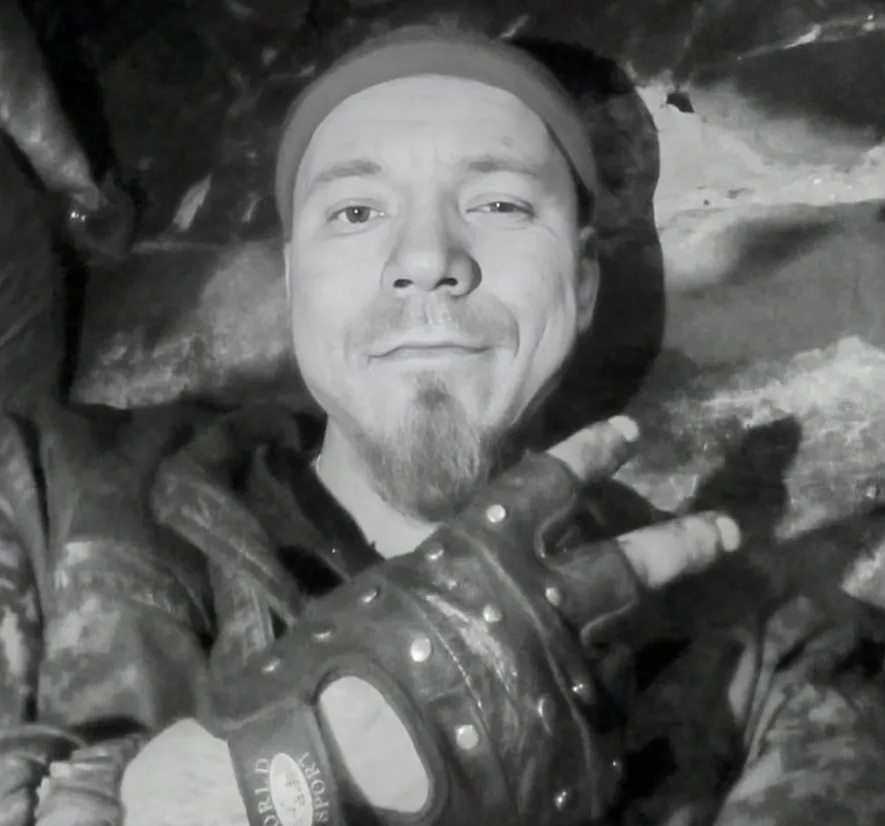
Every day, Ukraine’s defenders perform heroic deeds, protecting our country and our lives. These heroes say little about the extraordinary effort it takes to survive, to avoid endangering their comrades, and to carry out orders.
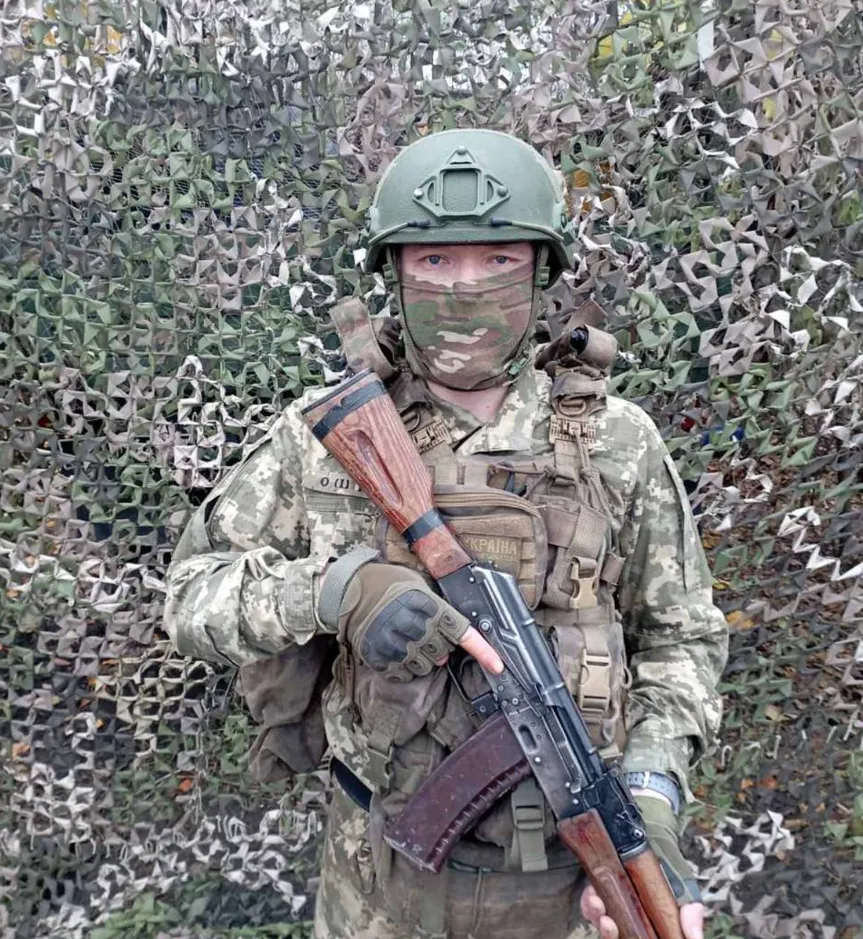
On Ukraine’s Armed Forces Day, UA.News introduces courageous soldiers who spent more than a year continuously holding a position in the Donetsk sector, receiving supplies, ammunition, and messages from home by drone.
A 37-year-old Kyiv resident, a soldier with the call sign “Juice” from the 30th Mechanized Brigade’s 409th Separate Rifle Battalion, spent 437 days on the front line.
— In 2023 I was mobilized, went through training, and was assigned to a motorized infantry company. From there, I volunteered to transfer to the 30th Brigade, which holds positions in the Donetsk direction. I hoped there would be more time to rest and recover.
My first deployment lasted 47 days, the second 35, with only four days of rest each time. Then in August 2024 we were sent to our last position, and we were not replaced until late October 2025.
Every time we asked when we would be rotated out, they said there were no volunteers to replace us.
— How your record-long deployment began?
— The first stretch was 100 days, then we got leave, and in August 2024 we were sent to a new position. At first it was quiet, then the enemy began constant assaults—wave after wave. Mostly they attacked using motor vehicles; tanks got stuck in the mud. And there were constant drone attacks—an enormous number of FPV drones.
One time they sent 14 motorcycles toward us. But our drone operators did an excellent job. Not a single occupier broke through; their bodies lay where they fell, later dragged away by dogs because the Russians don’t retrieve their dead.
For more than half a year the enemy tried to break through—four days of assaults, two days of rest, then again. Ukrainian forces continue to hold this position.
— How long did you stay at this position?
—After seven months without rotation we were moved to another position nearby. It was quieter—no active assaults—but we had to monitor enemy movements. The position was hidden and very hard to access, making rotation nearly impossible.
You could reach it undetected only in certain weather. I ended up stuck there with five comrades for eight more months, virtually the entire time underground.
Building an underground shelter
— First we dug a well—three days of work. Drones dropped water filters and purification tablets. Once we had the well, water was no longer a luxury. Drones regularly delivered food, medicine, and packages from home.
We expanded the underground shelter, digging out a sleeping area and a room for water. We put up boards.
Everything had to be done without revealing our position to enemy drones. The sand we dug out had to be hidden at night. If they had spotted us, Russian artillery would have destroyed us. Enemy drones flew overhead every 30 minutes.
So for all eight months we couldn’t come to the surface to breathe fresh air. We had to maintain strict light and heat discipline—no fires in winter, so we used heat packs and warm clothes. Trench candles helped a lot.
— How were provisions and ammunition delivered to you?
— All necessary supplies were regularly delivered by drones. Of course, to avoid being spotted by the Russians, the deliveries were made at night. They even delivered a gas cylinder, so we could cook hot meals.
— Was there a problem with rodents?
— There were no rats, but mice were a nuisance. During the night, we caught 20–30 rodents using mousetraps that were dropped by drone. We also had a cat, Fedya. He didn’t catch mice, but lived well anyway—he roamed around the positions where everyone fed him. Our Fedya got quite fat. There were few dogs there; probably the drones had taken care of them.
— Was there any opportunity to wash?
— At first, we used wet wipes. Once we obtained water, we heated it and washed. We even had the chance to wash our clothes. We also used a dry bath.
— Did you have contact with your relatives?
— Recently, when we established an exchange of power banks via drone, we could send a flash drive with messages to our families, and in return, we received a flash drive with recordings from home. Our families were very worried because we were not being rotated out for so long. They reached out wherever they could. We only started being withdrawn to the rear after the commander changed. While the old commander was in place, there weren’t enough people to rotate us. Once the commander changed, I think the approach to rotations began to change. People are scarce everywhere, that’s clear, but if necessary, a few soldiers can be found.
— What was the main difficulty in carrying out this task?
— It was very difficult mentally. Underground, there was neither enough oxygen nor light. Our dugout didn’t even have ventilation because it was impossible to set up…
A difficult record
— Actually, my record isn’t the longest. Our combat medic, call sign ‘Viter’ (Wind), spent 471 days on the front line.
He probably would have stayed longer if he hadn’t been wounded while dragging a wounded comrade into the trench. We lost one soldier that day, and six more were wounded.
— Were you nominated for an award?
— I don’t know anything about that. First, I need to adapt to real life after everything we went through.
Today, December 6, the serviceman with the call sign “Viter” received a state award from President Volodymyr Zelensky.
December 6 is Ukraine’s Armed Forces Day — a celebration of courage, honor, and self-sacrifice by Ukrainian soldiers who defend the country every day.
Ukraine’s army is now called the shield of Europe and an example of resilience for the free world.
The most important words today are gratitude — and belief in victory.
