
Tuapse has effectively shut down the port following drone attacks
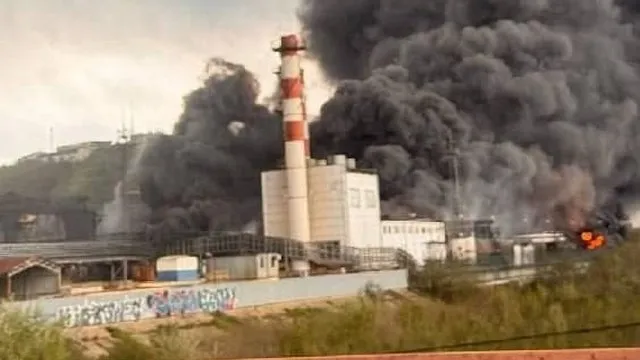
The Russian port of Tuapse, which has been hit by a series of attacks by Ukrainian drones, has effectively ceased operations and has not accepted oil tankers or civilian vessels for over a month. According to monitoring services and satellite imagery, shipping activity in the area has plummeted to a minimum. Experts attribute this to infrastructure damage and changes in supply routes, according to Russian media reports.
The port of Tuapse, one of the key oil hubs on the Black Sea, has effectively fallen out of its usual rhythm of operation following a series of drone strikes, and, according to analytical services, has not received a single oil tanker or civilian vessel since April 23, which is atypical for such a facility and sharply deviates from the norm. Monitoring of maritime activity shows that nearby vessels are staying at a considerable distance from the coast, avoiding approaches to the port.
According to information cited by journalists from Novaya Gazeta Europe, an analysis of data from the VesselFinder service and satellite imagery indicates that the port may have been effectively idle for over a month, and the last recorded instances of fires in the vicinity of the infrastructure were observed around early May. On average, Tuapse handled up to ten ships per day, but analysts estimate that this traffic has now been redirected to other Russian ports, notably Novorossiysk.
Economic observers note that the consequences for Russia’s oil refining and logistics systems could be significant, as alongside the issues in Tuapse, some refineries in Russia are either shut down or operating at significantly reduced capacity. According to expert Denis Morokhin, infrastructure losses in this region are already considered severe, as not only production facilities but also storage and transshipment systems for petroleum products have been affected.
Against this backdrop, analysts also emphasize that the operational restrictions have affected not just a single facility, but a broader network of Russian oil infrastructure, which has begun operating erratically following the strikes and requires the reconfiguration of logistics routes, placing additional pressure on the country’s export capabilities.
On the night of May 27, drones attacked Tuapse in the Krasnodar Krai of the Russian Federation. According to preliminary information, a local oil refinery—one of the key energy facilities in southern Russia—may have been hit. Details regarding the consequences of the attack are being clarified.
As a reminder, residents of Tuapse were urged to evacuate following the drone attack (video).
Residents of Tuapse, Russia, are increasingly complaining about the unbearable living conditions in the frontline city. The once-popular resort has turned into an area of environmental disaster and constant danger due to regular explosions at local industrial facilities.
In Tuapse, Russia, while cleaning up the aftermath of an oil spill, the city beach was covered with a new layer of pebbles. At the same time, local residents and environmentalists claim that traces of fuel oil are still visible near the water and that a full cleanup has not taken place.


