
In Russia, another key industry has been hit hard following the drone attacks—the CPD
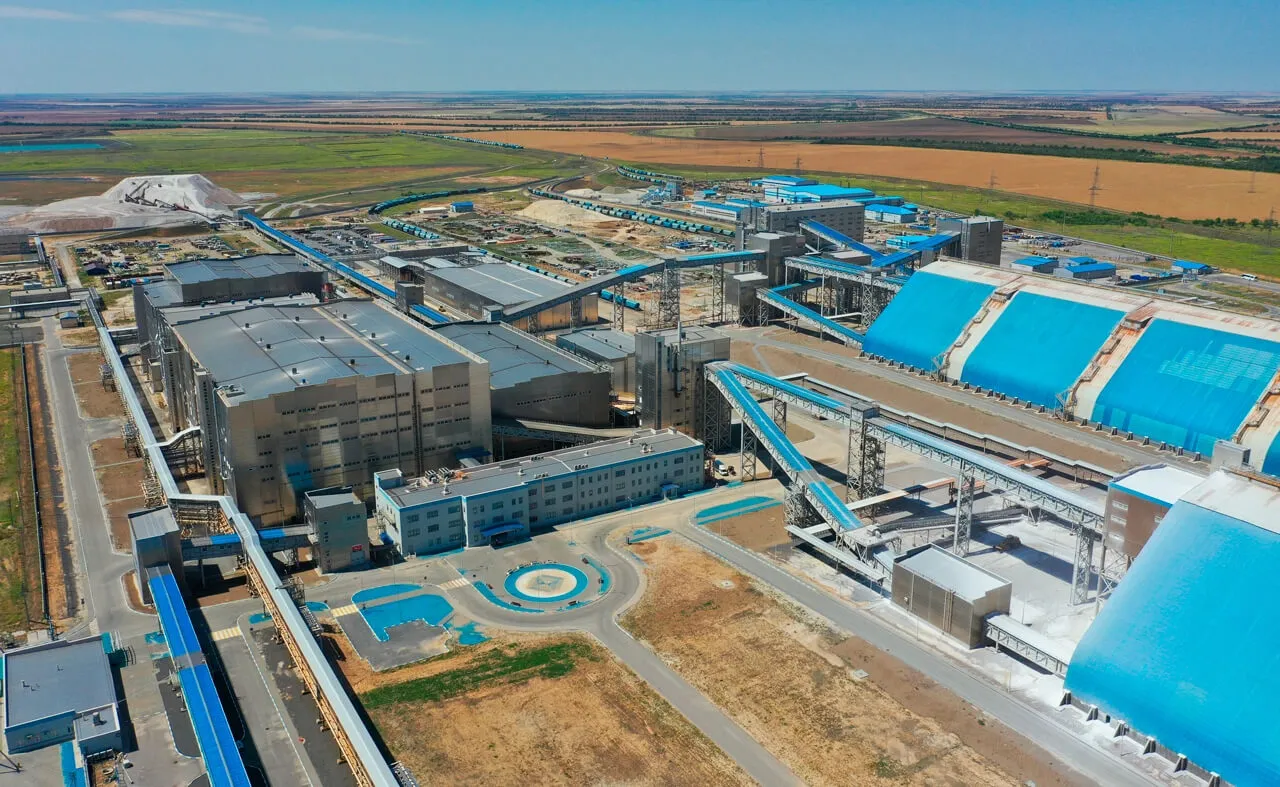
The Russian military economy has faced a new systemic problem: following a prolonged fuel crisis, official statistics have recorded a critical decline in the production of ammonium nitrate.
This is a strategically important dual-use product that is equally essential for both the agricultural sector and the functioning of the Russian military-industrial complex.
According to official data from Rosstat, annual production of this substance in Russia fell by 9%.
The situation took a alarming turn in May, when the decline reached 14% year-over-year, marking the worst performance for the Russian chemical industry since the beginning of this year.
The Center for Countering Disinformation directly links this economic downturn to the Ukrainian Defense Forces’ systematic long-range strikes on Russian industrial facilities.
Meanwhile, representatives of the occupying authorities are attempting to conceal the true causes of the crisis, attributing the negative trend solely to “unscheduled repairs” at production facilities.
One of the key factors was the recent strike on the “Azot” chemical plant in the Tula region.
This enterprise is one of the country’s largest producers of chemical products, whose resources are actively exploited by the Russian military-industrial complex for the manufacture of weapons and ammunition.
CPD experts emphasize that even despite attempts by Kremlin propaganda to downplay the impact of Ukrainian operations, the actual statistics reveal the true state of affairs.
The loss of control over production chains demonstrates the high effectiveness of modern methods for countering enemy production.
“The drop in production at the Russian Federation’s chemical and pharmaceutical enterprises is further evidence of the effectiveness of Ukrainian long-range strikes. And although Russian propagandists try to pretend that Ukrainian UAVs do not cause significant damage, even official statistics show the exact opposite,” the Center for Countering Disinformation concluded.
This was reported by the Center for Countering Disinformation.
Russia has lost nearly half of its refinery capacity due to Ukrainian strikes
On the night of July 1, Russian troops carried out a massive attack with strike drones on the Dnipropetrovsk region.
As a reminder, on the evening of June 30, Russian troops attacked an electric locomotive in the Dnipropetrovsk region with a drone. There were no casualties, as the locomotive crew was warned of the danger in time, and the workers managed to take cover.
Ukrainian drones struck eight of the ten largest Russian oil refineries by processing volume, with some facilities being hit multiple times.


