
Ukraine has tested a new ballistic missile with a range reaching Voronezh
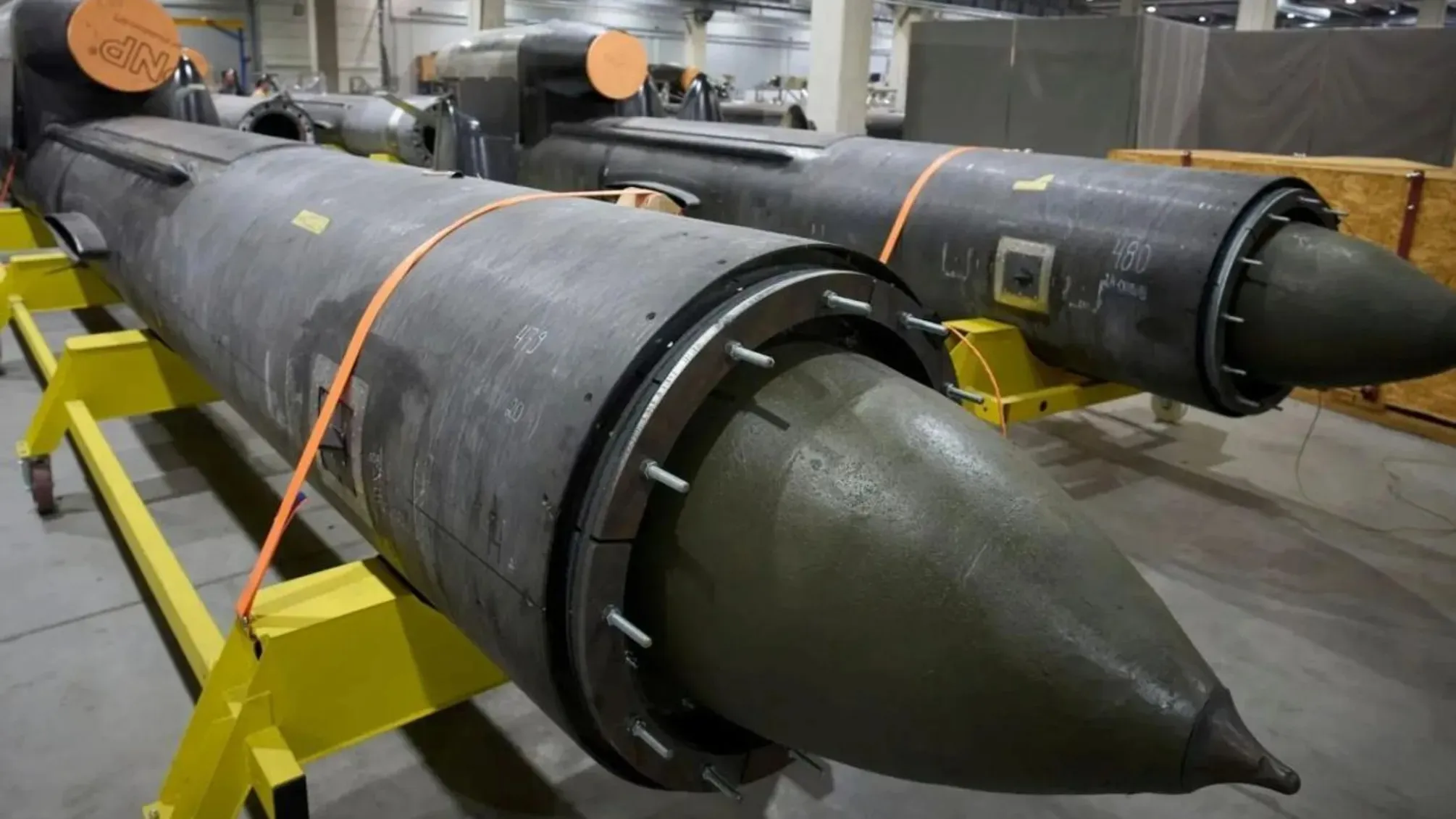
Ukraine has conducted the first tests of the new FP-7 ballistic missile, capable of striking targets at a range of up to 300 kilometers. The project is now moving on to the next phase of testing.
This was announced by Denis Shtilerman, co-founder and chief designer of the defense company Fire Point.
The chief designer explained that the domestic FP-7 ballistic missile is an analogue of the American ATACMS missile. However, it costs half as much. The strike range is the same—up to 300 kilometers, depending on the weight of the warhead. However, the Ukrainian design is not as compact as the American one.
He noted that Fire Point manufactures all components entirely in-house (from engines to the flight controller). Only the warhead is custom-made. According to him, production begins even before codification. This is done to prevent a drop in the number of units produced.
Speaking about the cost of the missile, Fire Point’s chief designer noted that it is expensive, particularly due to the bureaucratic burden. According to him, this burden weighs heavily on defense companies worldwide.
“If we’re talking about the Boeing 747, it took six years from the initial idea to the first commercial flight. In the case of the Airbus A380, it took 25 years. All of this is due to the bureaucratic burden. You need a multitude of engineers, lawyers, and managers to fill out paperwork that nobody needs. Testing goes on for years…,” Stilerman noted.
As a reminder, President Volodymyr Zelenskyy announced a strategic agreement with French leader Emmanuel Macron regarding the transfer of an upgraded SAMP/T surface-to-air missile system to Ukraine.
In the United States, preparations are underway for the deployment of the new Denied Area Sprinter-Hellfire (DASH) mobile anti-drone system. It underwent testing under wartime conditions in Ukraine.
In Ukraine, the large Protector robot was tested for the first time with the “Tavria-12.7” gun module. The vehicle fired effectively both while stationary and on the move, demonstrating high performance. The project was implemented in just two months.
