
The war is starting to take its toll on the Russian economy — WP
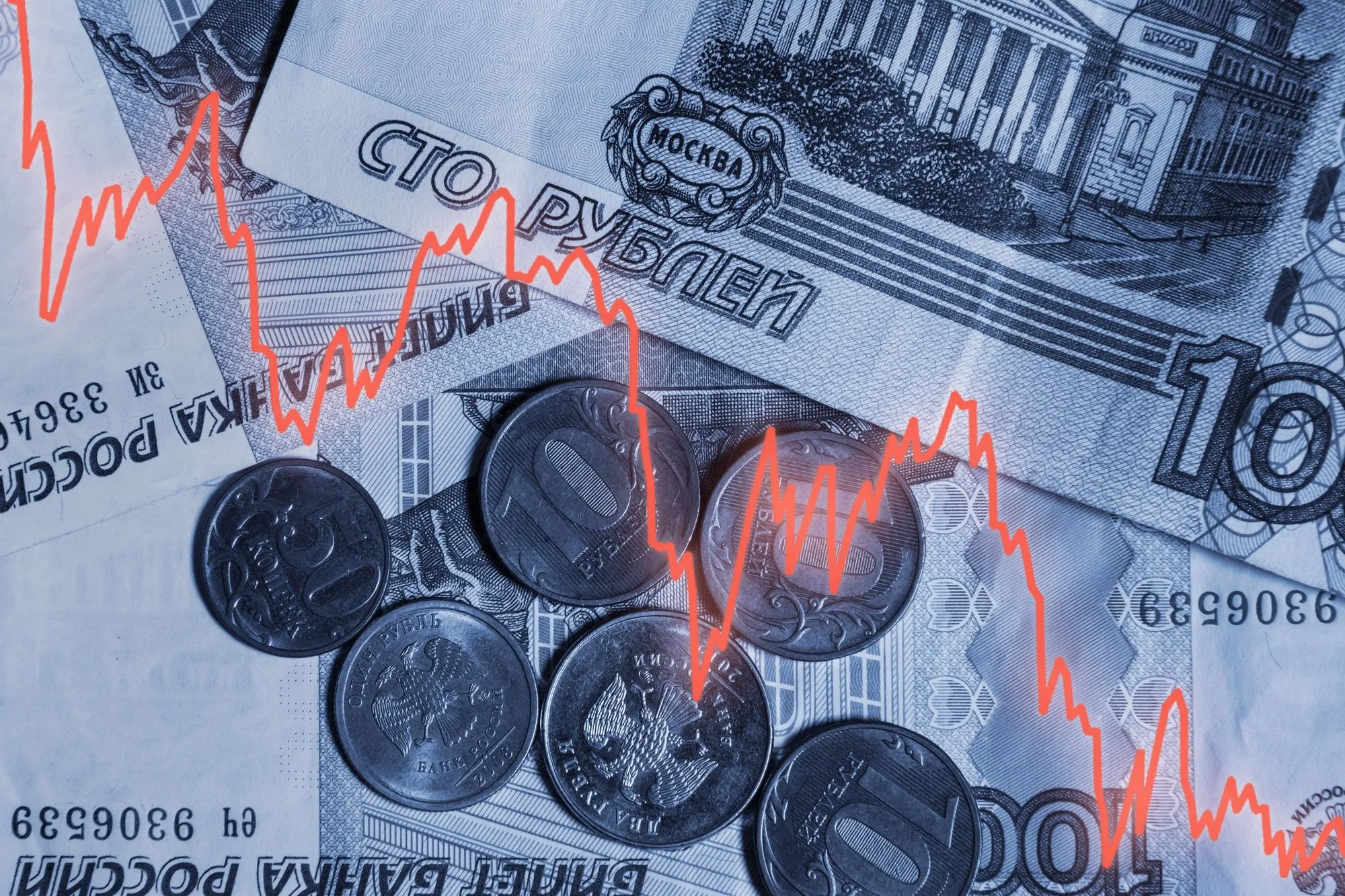
The Russian war economy, which has been struggling to function under severe international restrictions for four years, is showing signs of serious destabilization.
This is reported by The Washington Post in an editorial column analyzing the aggressor country’s current financial state.
To confirm these negative trends, the authors of the article cite a recent statement by Vladimir Putin. The dictator was forced to acknowledge a decline in performance across three strategically important sectors, including the construction industry.
Although in 2022 the Kremlin managed to temporarily stabilize the situation through strict control and intimidation of businesses, its reserves of resilience are running out.
Foreign investors have effectively found themselves trapped, unable to withdraw capital without incurring massive losses.
Currently, inflation in Russia officially stands at 5.9 percent, but the real pressure on the market is significantly higher. The Kremlin is forcing companies to artificially limit price increases and ramp up defense production, which is hindering the development of the civilian sector.
“All these measures, which hinder economic growth, have allowed the economy to stay afloat in the medium term. But now the limitations and the damage caused are beginning to show,” the authors of the publication emphasize.
To finance mobilization needs, Putin resorted to a radical tax hike, including raising the VAT to 22 percent. This decision has put three-quarters of the country’s small and medium-sized businesses at risk of bankruptcy.
In addition to financial difficulties, Russia is facing a catastrophic labor shortage for the first time in its modern history. Skilled workers are leaving the country en masse to avoid conscription or are moving to military factories.
In response to the worsening situation, the Kremlin is attempting to conceal the true state of trade flows and public finances as much as possible.
The blocking of thousands of websites and total control over the media are creating an information vacuum surrounding economic problems.
Russia is seeing a worsening economic situation and rising risks of loan defaults.
After three years of unexpected economic growth, Russia is facing a sudden slowdown—war expenses, inflation, and falling oil prices have begun to weigh on an economy that until recently seemed resilient to sanctions.
Consumer lending in Russia has fallen to a six-year low.
