
The Russian government has not found the funds to build new nuclear-powered icebreakers
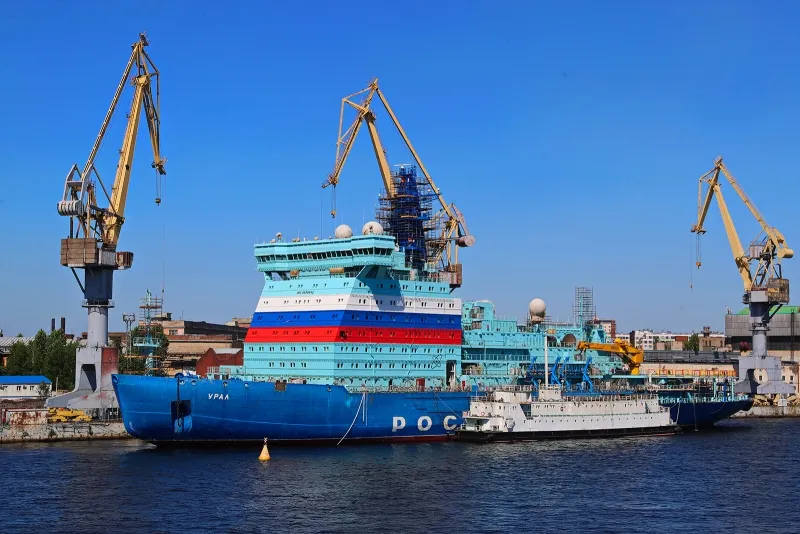
Russian authorities have been unable to allocate funds in the budget to complete the construction of the nuclear-powered icebreakers "Leningrad" and "Stalingrad," as well as their support vessels. Due to a funding shortfall, the Russian government is considering options for securing extra-budgetary funds to carry out strategic projects.
This was reported by the publication “Kommersant.”
The cost of each icebreaker has risen to 85 billion rubles compared to previous estimates, forcing Rosatom to seek alternative sources of funding. The first option involves introducing a special levy on cargo transported via the Northern Sea Route starting in 2027. The levy rate could range from $1.50 to $2.75 per ton, potentially generating about 138 billion rubles by 2030.
Another scenario involves introducing a port fee in all Russian seaports for vessels engaged in export operations. Preliminary estimates suggest this fee could amount to $0.20 per ton of cargo, generating an additional 10.3 billion rubles annually. At present, a final decision on the mechanism for co-financing fleet construction has not been made; however, the situation indicates a significant shortage of state resources for Russia’s Arctic programs.
Meanwhile, production and sales of agricultural machinery have plummeted in Russia.
After three years of unexpected economic growth, Russia is facing a sudden slowdown—war costs, inflation, and falling oil prices have begun to weigh on an economy that until recently seemed resilient to sanctions.
Consumer lending in Russia has fallen to a six-year low.


