
Educational institutions in Russia have spent over $200 million on the purchase of drones
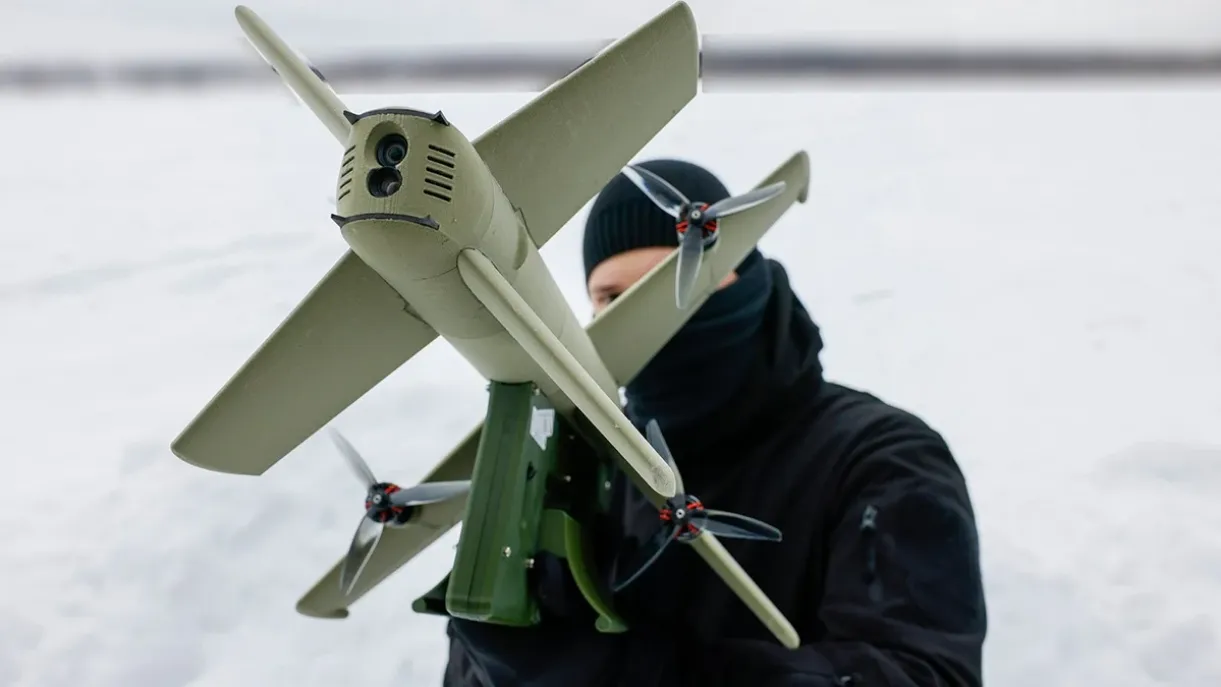
Russian schools, kindergartens, and universities have sharply increased spending on the purchase of drones and equipment for studying them since the start of the full-scale invasion of Ukraine.
This was reported by Novaya Gazeta Europe.
Over four years, total spending by educational institutions on these purposes reached nearly 16 billion rubles, which amounts to over 212 million dollars. The largest jump was recorded in 2024, when over 9.7 billion rubles were spent on drones, compared to 350 million rubles per year before the war.
Drones are even being purchased for kindergartens and dance academies, and the main suppliers are companies linked to Vladimir Putin’s inner circle, including those of Arkady Rotenberg and Katerina Tikhonova. The largest contracts for the supply of equipment were signed in Moscow, where the total value of purchases exceeded 3.5 billion rubles.
The widespread introduction of drones into the educational process indicates the militarization of Russian education at all levels. At the same time, in 2025, the volume of new tenders decreased slightly, which experts attribute to the fulfillment of previously concluded long-term agreements. Now, UAV operation is becoming part of mandatory or optional classes for Russian youth as part of their combat training. In this way, Russia is attempting to create a large-scale pool of operators to meet the future needs of its army.
On the night of April 19, Ukrainian defense forces carried out successful strikes on a facility of the Russian defense-industrial complex in the Rostov region, causing a massive fire. The Atlant Aero company specializes in the full-cycle production of Molniya strike drones and components for Orion heavy drones.
On the night of April 20, 2026, a series of powerful explosions rocked the Krasnodar Krai of the Russian Federation. Strategic facilities in the Tuapse, Gelendzhik, and Anapa areas came under a massive drone strike, causing panic among the local population and paralyzing the transport infrastructure.
