
July 11, 2026: The world commemorates the victims of the Srebrenica genocide
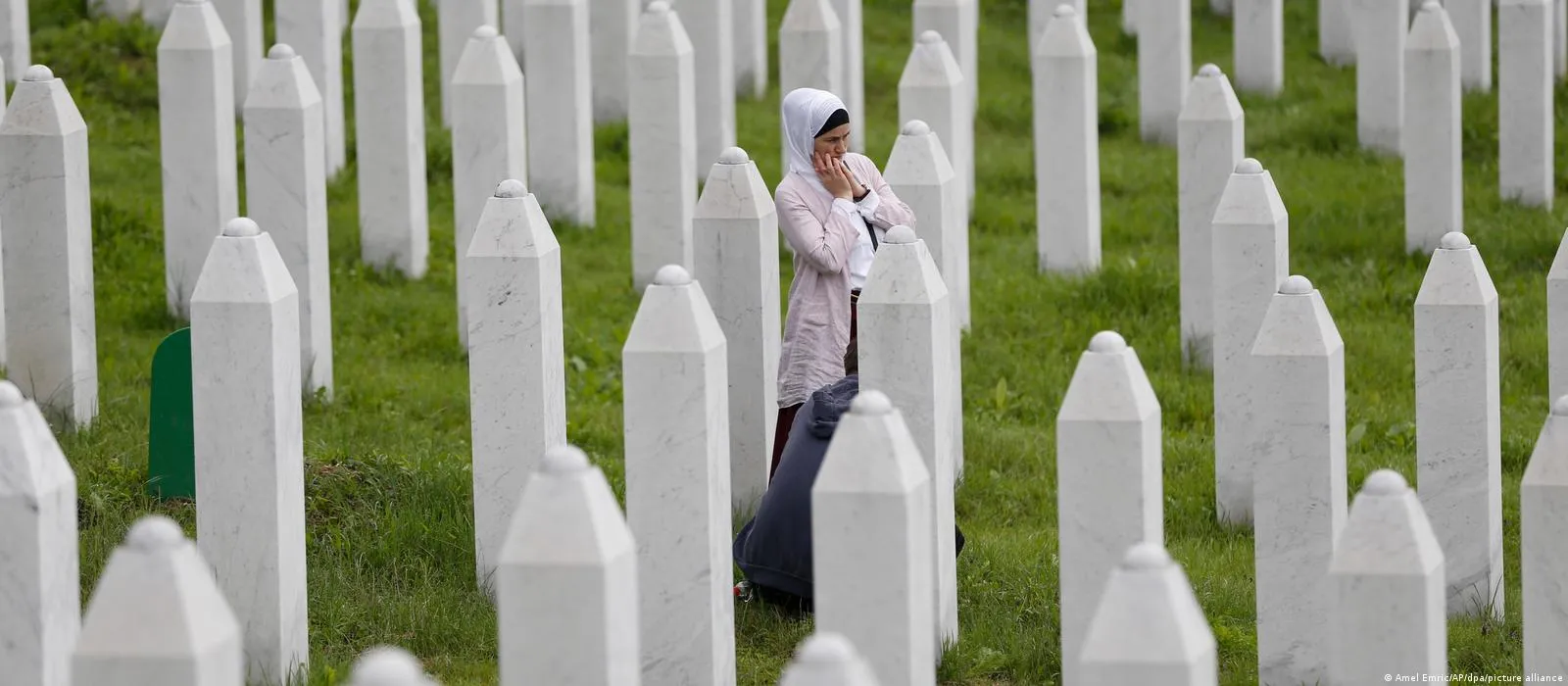
Every year on July 11, the world observes the International Day of Remembrance for the Victims of the 1995 Srebrenica Genocide. This date is dedicated to the memory of more than 8,000 Bosnian Muslim men and boys who were killed during the Bosnian War. The day is intended not only to honor the victims but also to remind us of the dangers of hatred, war crimes, and impunity.
On July 11, the world commemorates one of the most tragic chapters in modern European history—the Srebrenica genocide, which took place in July 1995 during the war in Bosnia and Herzegovina. The mass killing of Bosnian Muslims was later recognized by international courts as an act of genocide.

For many countries, this date has become a day of mourning, remembrance, and a reminder of the consequences that war, interethnic hatred, and the inaction of the international community can bring. Every year, memorial events are held not only in Bosnia and Herzegovina but also in many countries across Europe and the world.
What Happened in Srebrenica
In July 1995, the town of Srebrenica, which the United Nations had previously declared a “safe area,” fell under the control of Bosnian Serb forces. After the town was captured, thousands of Bosnian Muslims tried to flee. Women, children, and the elderly were mostly deported, while men and boys were separated.
Within a few days, more than 8,000 Bosnian Muslim men and boys were killed. Many were shot without trial and then buried in mass graves. These events constituted the largest war crime in Europe since the end of World War II.
Why July 11?
It was on July 11, 1995, that Bosnian Serb forces entered Srebrenica. That day marked the beginning of the tragic events that, over the following days, culminated in the mass killings of civilians.

That is why, every year on July 11, memorial events are held in honor of all those killed and missing. For the victims’ families, this date remains a day of mourning, as even decades later, the search for remains and the identification of many of the victims continues.
How the International Day of Remembrance Came to Be
For many years, July 11 was observed primarily in Bosnia and Herzegovina and in European Union countries. In May 2024, the UN General Assembly adopted a resolution designating July 11 as the International Day of Remembrance for the Victims of the 1995 Srebrenica Genocide.
The document calls on UN member states to conduct educational activities, preserve historical memory, combat genocide denial, and help prevent similar crimes in the future. At the same time, the adoption of the resolution sparked mixed political reactions in the Balkans. Some countries supported the document, while certain political forces in Serbia and the Republika Srpska opposed it.
How Remembrance Day Is Observed
The main commemorative events take place annually at the Potočari Memorial Center, located near Srebrenica. Thousands of people gather there—families of the victims, eyewitnesses to the tragedy, representatives of international organizations, diplomats, and politicians. On this day, a memorial ceremony is held, along with prayers, a moment of silence, and the laying of flowers.
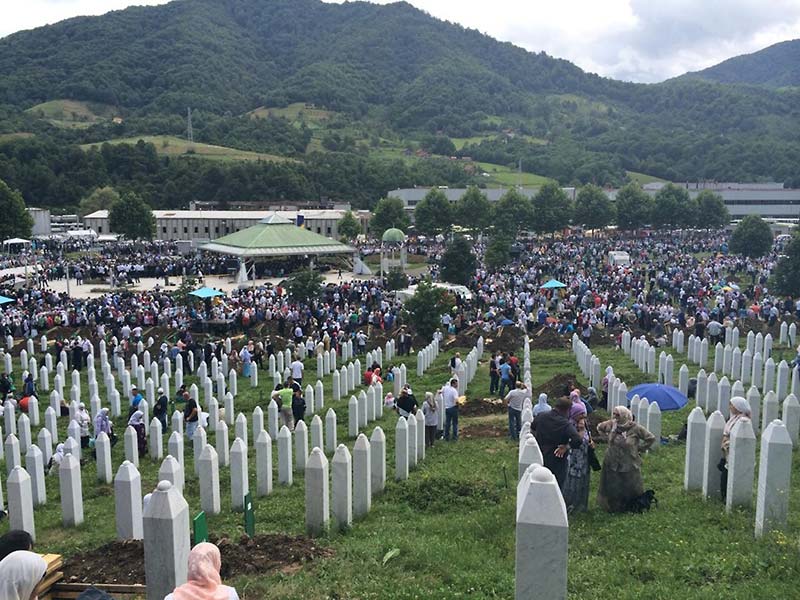
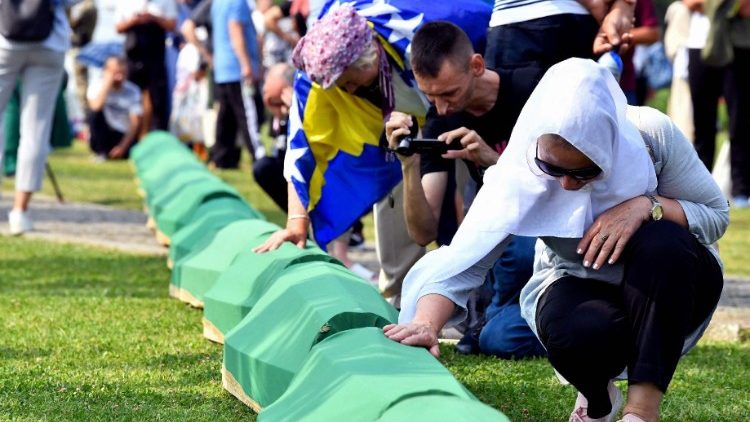
A special focus is placed on the reburial of victims whose remains have only recently been identified. Even more than 30 years after the tragedy, experts continue to discover new mass graves and identify the victims through DNA testing. In many countries, themed exhibitions, documentary screenings, lectures, and discussions on human rights, international humanitarian law, and the prevention of genocide are held.
Decisions of International Courts
The events in Srebrenica were thoroughly investigated by international judicial institutions. The International Criminal Tribunal for the Former Yugoslavia (ICTY) and the International Court of Justice concluded that the mass killings in Srebrenica constituted an act of genocide.

Several high-ranking Bosnian Serb officials, including former political leader Radovan Karadžić and army commander crimes against humanity, and genocide, several high-ranking Bosnian Serb officials were convicted, including former political leader Radovan Karadžić and Bosnian Serb Army commander Ratko Mladić, who were sentenced to life in prison. These court rulings became some of the most significant international verdicts regarding crimes committed after World War II.
Interesting Facts
The memorial center in Srebrenica was opened in 2003. Today, thousands of victims of the tragedy are buried there. Every year, before July 11, the “March of Peace” takes place—a multi-day march along the route that thousands of Bosnian Muslims attempted to take to safety in 1995. People from around the world participate in it.
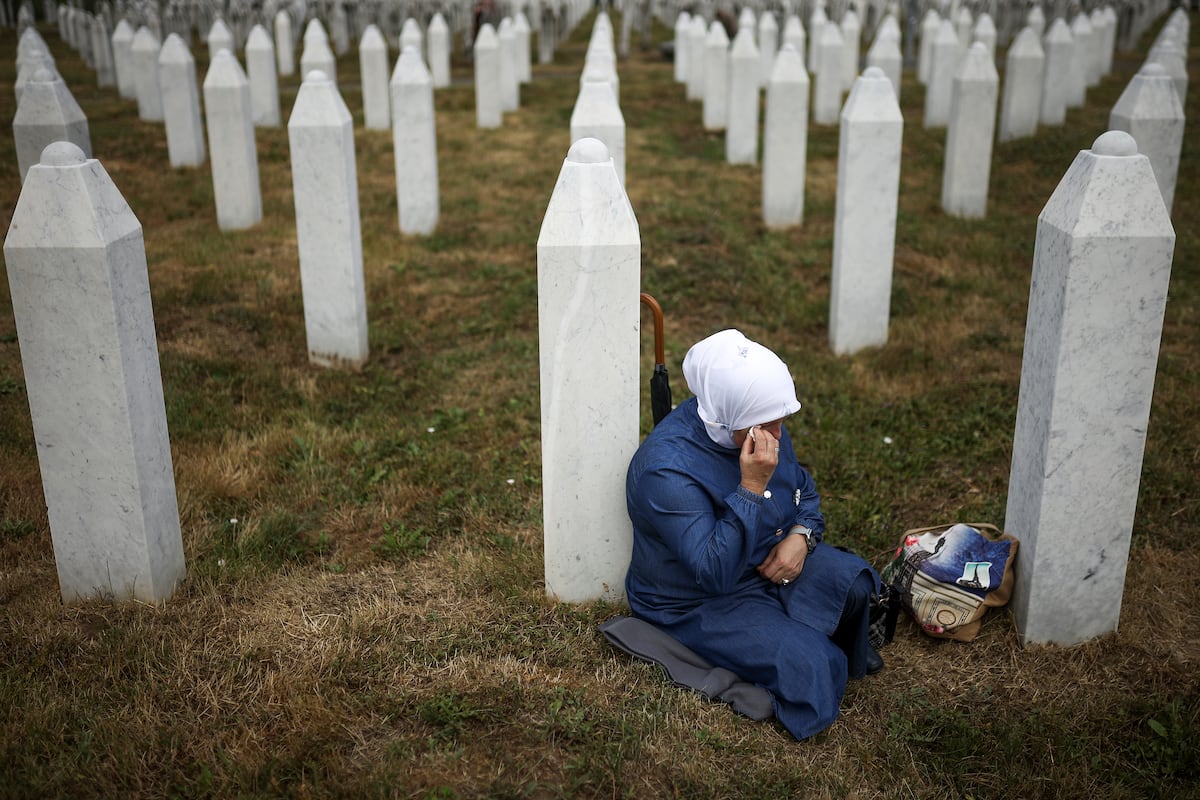
Experts continue to identify the remains of the victims using modern DNA testing. Due to attempts to cover up the crime, many mass graves were re-excavated and the remains were moved to other locations, which significantly complicated the experts’ work. Srebrenica has become a symbol of the need to protect civilians during wars and of the international community’s responsibility to prevent mass crimes.
Why This Day Is Important
The International Day of Remembrance for the Victims of the Srebrenica Genocide serves as a reminder of the cost of human indifference, hate speech, and impunity. The main purpose of this day is not only to honor the memory of those who died, but also to preserve historical truth, promote human rights education, and do everything possible to ensure that such tragedies never happen again.
As stated in the UN General Assembly resolution: “Honoring the memory of the victims is an important step toward preventing genocide in the future.” And at the Potocari Memorial Center, another sentiment—which has become a symbol of this day—is echoed every year: “The memory of the victims is the responsibility of the living.”


