
November 6, 2026 — International Day for the Protection of the Environment in Times of War: History and Significance
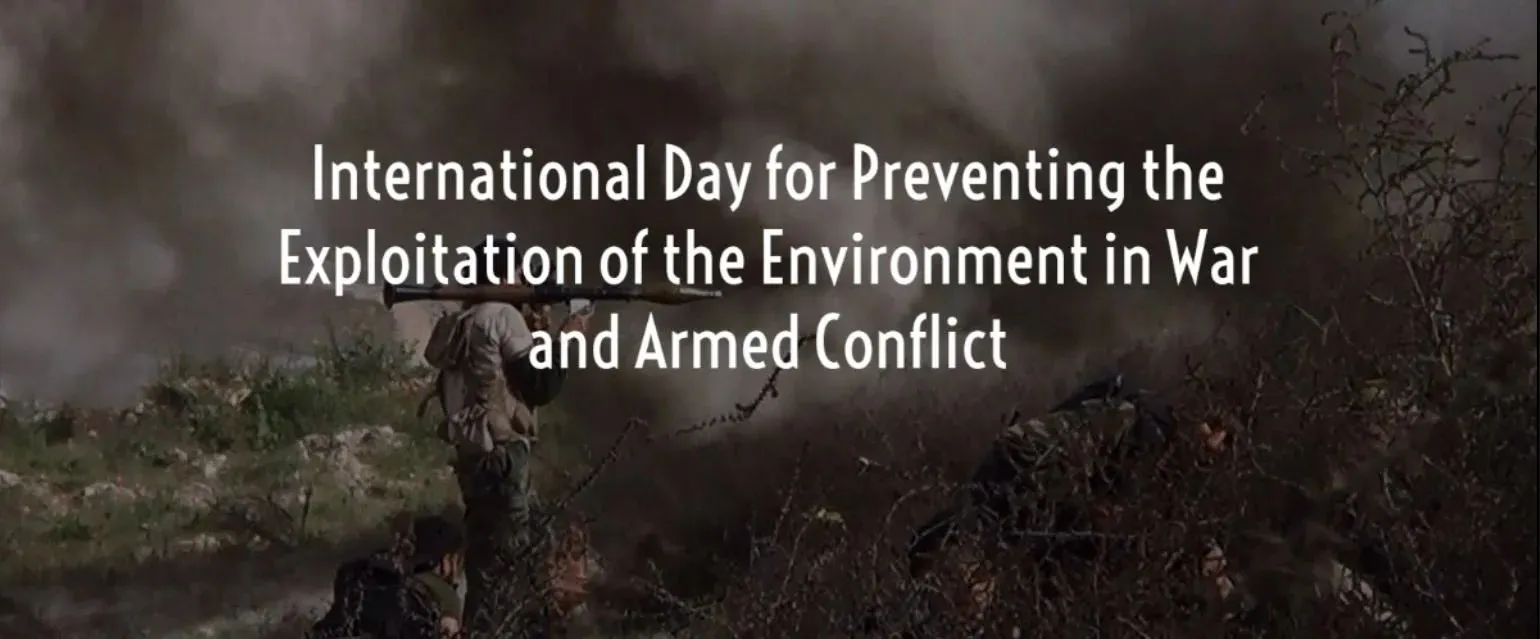
Every year on November 6, the world observes the International Day for the Prevention of Environmental Exploitation in War and Armed Conflicts. It was established by the United Nations to draw attention to the damage that armed conflict inflicts on nature. Polluted water, destroyed forests, mined fields, and contaminated soil can remain a problem even many years after the war has ended.
The International Day to Prevent the Exploitation of the Environment in War and Armed Conflict was established by the UN General Assembly on November 5, 2001. The decision was enshrined in Resolution A/RES/56/4. The document states that the damage to nature caused by wars does not disappear with the end of hostilities. It can disrupt ecosystems for a long time, destroy natural resources, and extend beyond the borders of the country where the conflict is taking place.
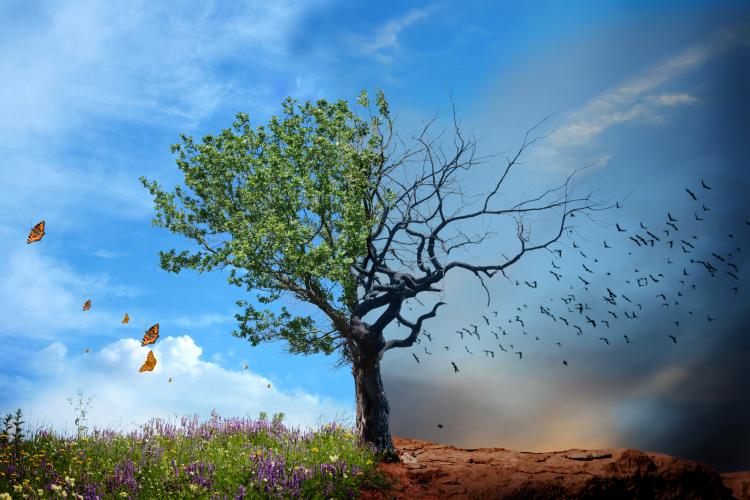
That is why November 6 was chosen as the date to mark this occasion. The UN has called on states, international organizations, and other institutions to draw attention to this issue every year. This is not just about protecting forests or animals. Protecting the environment during war is directly linked to human safety, access to clean water and food, and the ability to return to normal life after hostilities end.
The idea for this day did not arise by chance. Even before its establishment, the world had witnessed large-scale examples of environmental destruction during wars. Particular attention was paid to the issue after the Vietnam War, when the U.S. military used the herbicide “Agent Orange.” This chemical destroyed vegetation, caused widespread deforestation, and contaminated large areas. The consequences of its use affected not only nature but also human health.
Following these events, the international community began to more actively develop rules restricting the use of nature as a weapon. In particular, in 1976, the Convention on the Prohibition of Military or Any Other Hostile Use of Environmental Modification Techniques was adopted. It prohibits the use of methods that intentionally alter natural processes if they have large-scale, long-lasting, or serious consequences. However, even international agreements cannot fully protect the environment from destruction during hostilities.
Why War Is Dangerous to Nature
During hostilities, nature suffers in various ways. Explosions cause fires, destroy vegetation, and damage the soil. Military equipment compacts the ground and destroys the natural habitats of animals and plants. Ammunition may contain substances that contaminate the soil and water. Damage to industrial facilities, fuel depots, and chemical plants creates a risk of hazardous substance leaks.
Water pollution is a particular problem. Strikes on wastewater treatment plants, oil depots, industrial facilities, or sewage systems can lead to harmful substances entering rivers, lakes, and groundwater. This poses a threat not only to fish and other aquatic organisms. Contaminated water can become dangerous for people who use it for drinking, cooking, or irrigating fields.
Forest and nature reserve fires have equally serious consequences. Fire destroys trees, plants, nests, and animal habitats. Some species may lose the territories necessary for reproduction and survival. It sometimes takes decades for such natural areas to recover. And if the area remains mined, ecologists and foresters cannot safely carry out their work.
The war also affects the air. Explosions, fires at industrial facilities, and the burning of fuel release smoke, dust, and other pollutants into the atmosphere. If chemical plants are damaged, hazardous compounds can spread over significant distances. Such emissions pose a threat to human health and can have long-term effects on ecosystems.

Another problem is the use of natural resources as a tool for exerting pressure. Control over oil, gas, and mineral deposits, as well as forests and water resources, can become a cause of conflict. According to the United Nations Environment Programme, at least 40% of internal armed conflicts over the past few decades have been linked to the use of natural resources. Furthermore, conflicts in which such resources play a significant role are twice as likely to flare up again.
How People Experience the Environmental Consequences of War
The environmental consequences of hostilities are not limited to destroyed trees or animal deaths. They directly affect people’s daily lives. Soil contamination can make it unsafe to grow vegetables and grain crops. Damage to water infrastructure deprives communities of access to clean water. And the destruction of pastures, forests, and farmland deprives people of jobs and sources of income.

The situation with mined areas is particularly challenging. Landmines, unexploded ordnance, and other explosive devices do not disappear once hostilities end. They remain a danger to local residents, farmers, foresters, and utility workers. As a result, people cannot return to their normal lives, cultivate the land, or use the forests. Clearing large areas of mines requires time, specialized equipment, and significant funds.

Restoring nature can also be very expensive. It is necessary not only to remove debris and waste but also to test the condition of the soil, water, and air. In contaminated areas, studies are conducted to identify hazardous substances and select cleanup methods. Sometimes it takes years to restore the land, and some natural systems may never return to their previous state.
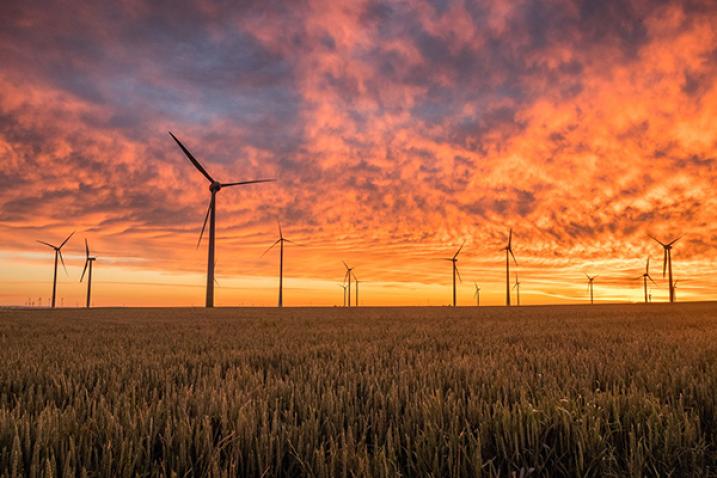
The UN emphasizes that lasting peace cannot be achieved without protecting natural resources. If, after a war, communities are left without clean water, fertile land, and access to natural resources, this can exacerbate poverty and create new conflicts. Therefore, environmental issues must be part not only of a country’s reconstruction but also of conflict prevention plans.
How the War Is Affecting Ukraine’s Environment
For Ukraine, this issue is of particular importance due to Russia’s full-scale aggression. Since the start of the invasion, combat operations, shelling, fires, and the destruction of industrial and civilian facilities have been causing damage to the environment in various regions. Forests, protected areas, rivers, soils, and wildlife habitats are under threat. Some areas cannot be fully surveyed due to combat operations and the danger of landmines.
In 2022, the United Nations Environment Programme published a preliminary review of the environmental consequences of the war in Ukraine. It noted that the country is facing a multidimensional environmental crisis. The war has exacerbated existing problems and created new threats to nature and human health. At the same time, the authors emphasized that additional field research is needed to fully assess the extent of the damage.

Among the main risks for Ukraine are land contamination with explosive ordnance, damage to industrial facilities, fires in forests and steppes, and water pollution. Damage to energy facilities and public infrastructure poses a particular danger. The destruction of such facilities could lead to leaks of fuel, chemicals, and untreated wastewater.

The environmental consequences are also transboundary in nature. Air and water pollution do not always remain within the borders of a single region or country. Rivers carry pollutants downstream, and smoke from large-scale fires can travel long distances. Therefore, neighboring countries may also feel the effects of the war on Ukraine’s environment.
Restoring nature after the war will require a comprehensive effort. First, it will be necessary to survey hazardous areas and carry out demining operations. Next, the level of contamination must be assessed, water and soil must be cleaned up, and forests and natural ecosystems must be restored. It is also important to monitor the state of the environment over the long term, as some of the consequences may not become apparent immediately.
How International Day Is Observed on November 6
This day has no established folk traditions or mandatory rituals. Its main goal is to draw attention to the issue and explain why protecting nature must be part of international security. In various countries, the date is marked by educational events, conferences, discussions, and meetings of experts. These events bring together environmentalists, scientists, and representatives of international organizations, government agencies, and civil society groups.
Special attention is given to discussing how to minimize environmental damage during conflicts and how to help countries recover after hostilities. Experts discuss the protection of water resources, forests, nature reserves, and agricultural lands. They also address issues such as demining, assessing environmental damage, and accountability for the destruction of nature. Such meetings help participants exchange experiences and seek common solutions.

Ordinary people can also join in the observance. For example, you can share verified information about the environmental consequences of war, support environmental conservation initiatives, and participate in safe volunteer activities. At the same time, you should not visit forests, fields, or bodies of water on your own in areas that may have been affected by hostilities or may still be mined.
International Day on November 6 serves as a reminder that nature knows no borders and cannot protect itself from war. Destroyed forests, polluted rivers, and contaminated land continue to affect people’s lives long after the explosions have ceased. Therefore, protecting the environment is not a secondary issue, but a vital part of security, recovery, and the future of coming generations.




