
August 6, 2026: Hiroshima will commemorate the victims of the atomic bombing
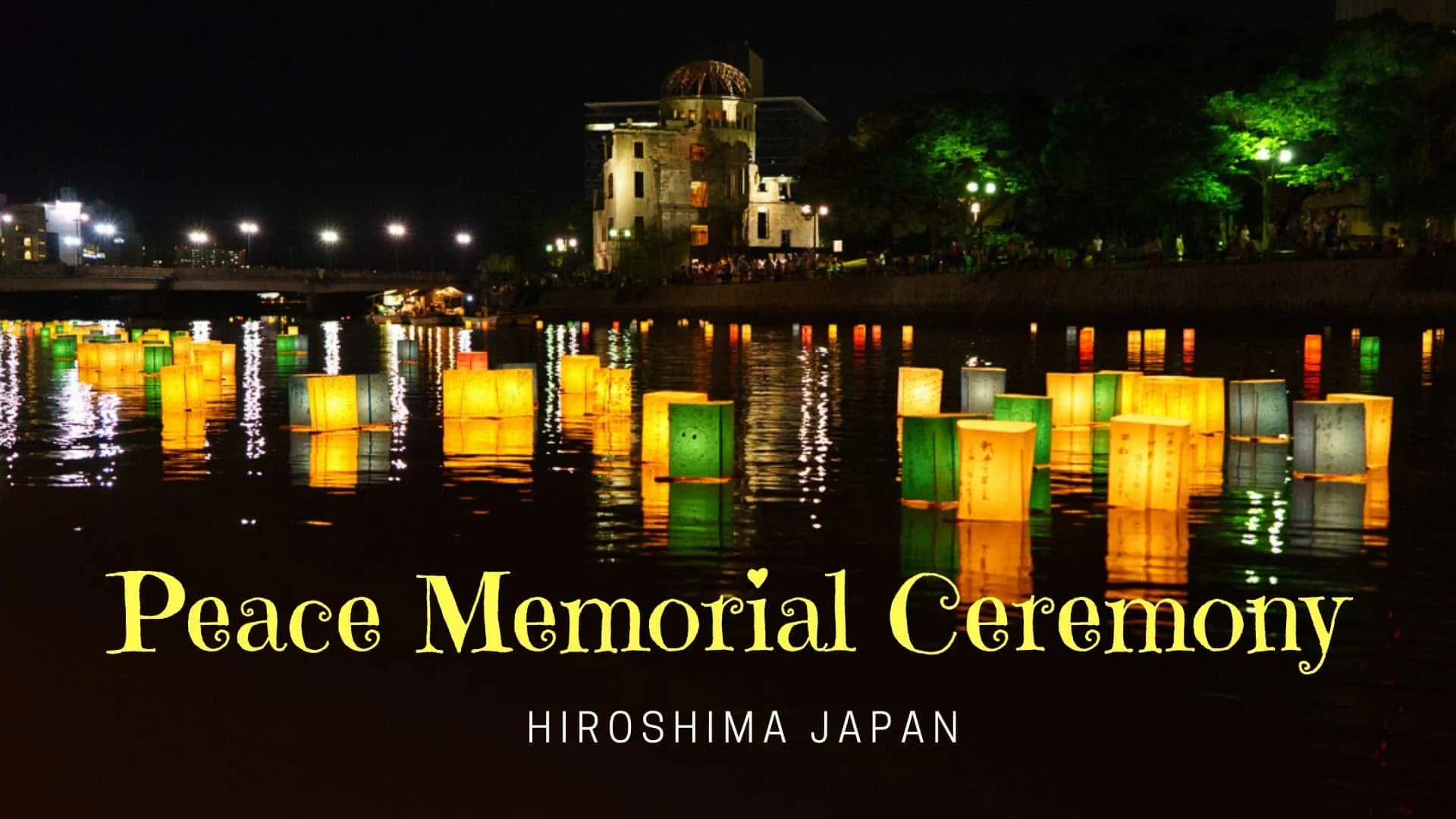
On August 6, 2026, a memorial ceremony for peace will be held in Hiroshima, Japan. It is held annually to commemorate those who died or were injured as a result of the atomic bombing of the city on August 6, 1945, as well as to promote world peace and the abolition of nuclear weapons. This year marks the 81st anniversary of the tragedy, and the ceremony itself will take place from 8:00 a.m. to 8:50 a.m. at the Peace Memorial Park.
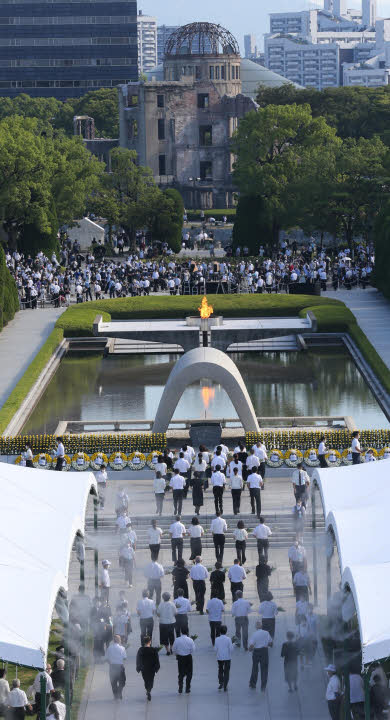
The Hiroshima Peace Memorial Ceremony is held annually on August 6. Its official name reflects two objectives: to honor the memory of the victims of the atomic bombing and to express a desire for lasting world peace. The ceremony takes place near the Atomic Bomb Victims’ Cenotaph in the Peace Memorial Park. In 2026, the event is scheduled for Thursday, August 6, from 8:00 a.m. to 8:50 a.m. Approximately 7,000 seats have been set aside for participants in the main area, with another 2,200 available inside the Hiroshima International Conference Center, from where the ceremony will be broadcast live. City residents, relatives of the victims, Japanese government officials, diplomats, and foreign guests are invited to attend.

This is not a celebration in the usual sense. There are no loud festivities or lively concerts. On the contrary, it is a very subdued morning dedicated to remembrance, silence, and discussion of what a world without nuclear weapons should look like. One of the key moments will be a minute of silence at 8:15 a.m. It was at this exact time on August 6, 1945, that the atomic bomb exploded over Hiroshima. At that moment, the Peace Bell will ring, and people in the park and elsewhere in the city will bow their heads in memory of the victims.
What Happened in Hiroshima in 1945
On August 6, 1945, Hiroshima became the first city in the world to be struck by an atomic bomb during wartime. The American B-29 bomber Enola Gay dropped the atomic bomb, known as “Little Boy.” The explosion occurred at approximately 8:15 a.m. local time. A vast portion of the city was destroyed in a matter of seconds. People died directly from the explosion, the extreme heat, and the shock wave. Others died later from burns, injuries, and the effects of radiation exposure.

It is difficult to determine the exact number of victims, as many people died instantly, while others died over the following months. According to the city of Hiroshima, by the end of 1945, the death toll was estimated at approximately 140,000 people. This figure includes not only those who died at the moment of the explosion but also those who died from its aftermath.
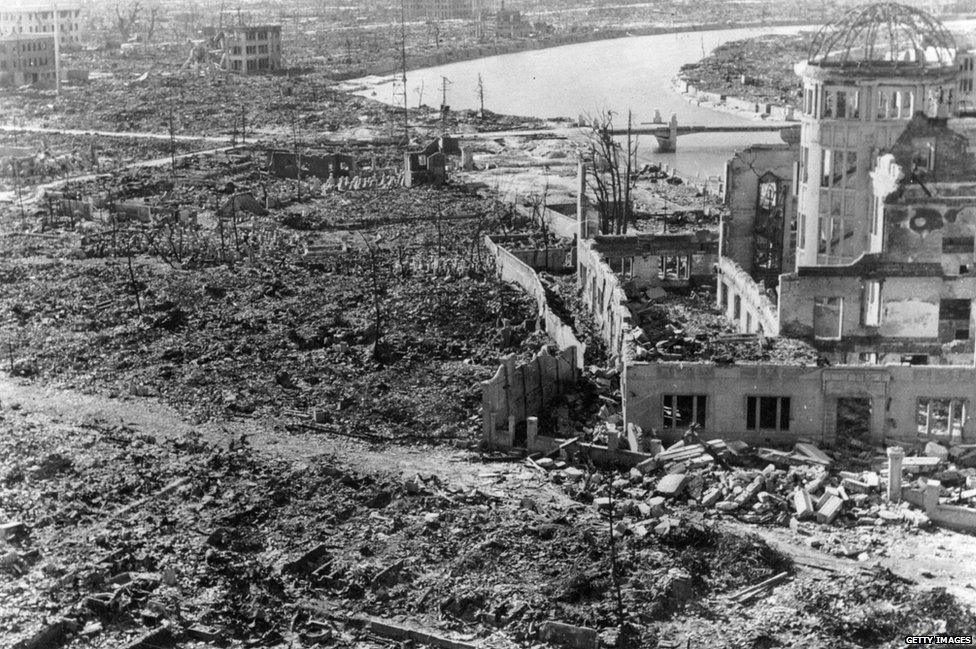
The tragedy left behind more than just destroyed buildings. The survivors lived for years with the effects of radiation, serious illnesses, and psychological trauma. In Japan, these people are called hibakusha—those who survived the atomic bombing. Three days later, on August 9, 1945, an atomic bomb was dropped on Nagasaki. Following this, Japan announced its surrender, and World War II came to an end.
How the Peace Memorial Ceremony Came to Be
The ceremony has a history that began almost immediately after the war. In 1947, two years after the bombing, Hiroshima held the Peace Festival. It began on August 5, and the following day, August 6, a ceremony took place on the grounds that later became the Peace Memorial Park. At that time, Hiroshima Mayor Shinzō Hamai delivered the first Peace Declaration. In it, the city declared its commitment not merely to remember the tragedy, but to share its lessons with the entire world.
Since then, the ceremony has become an annual event. Every year, the mayor of Hiroshima delivers a Peace Declaration addressed to the international community. Its content varies depending on world events, but the main message remains the same—to prevent a repeat of the tragedy of Hiroshima and to work toward the elimination of nuclear weapons. In other words, the August 6 tradition did not originate as a formal state ceremony. It was created by the residents of a city that survived a nuclear attack to speak out about the consequences of war and the need for peace.
Why Is the Ceremony Held at Exactly 8:15?
The time 8:15 holds special significance for Hiroshima. It was at exactly this time on August 6, 1945, that the atomic bomb exploded over the city. That is why, every year at this moment, a minute of silence is observed in Hiroshima. The Peace Bell signals the start of the silence, and people remember those whose lives were cut short by the bombing.
This takes place not only in the Peace Memorial Park itself. Traditionally, the minute of silence is observed in various locations throughout the city—at home, at work, and in other public spaces. The city encourages people to remember the victims and reflect on peace during this time. This very minute has become one of the ceremony’s most recognizable symbols. It is very simple: there are no long speeches, no music, and no elaborate rituals. There is only the bell, silence, and the memory of what happened 81 years ago.
How the ceremony takes place
The event begins at 8:00 a.m. Before the main ceremony, at 7:55 a.m., a separate water-offering ceremony is held in memory of the victims. After that, the main program begins. The first important part is the presentation of the list of names of those who died from the atomic bomb. The names of people who have died since the previous ceremony are added to the list. In this way, the memory of the victims continues to be preserved even decades after the tragedy.

Next, government officials and family members of the victims lay flowers at the cenotaph. Afterward, at 8:15 a.m., the Peace Bell rings, and a minute of silence begins. At 8:16 a.m., the mayor of Hiroshima delivers the Peace Declaration. This is one of the ceremony’s central moments. In the document, the city appeals to the world for peace and the abolition of nuclear weapons. Afterward, white doves are released into the sky. This is followed by speeches, including remarks by youth representatives, as well as the “Hiroshima Peace Song.” In 2026, the program has this part scheduled for 8:46 a.m., after which the ceremony will conclude at 8:50 a.m.
Peace Declaration
The Peace Declaration is one of the most important traditions on August 6. It is delivered annually by the mayor of Hiroshima. The first declaration was issued in 1947. It became a kind of voice for the city in the wake of the tragedy. The document spoke of Hiroshima’s pain, the memory of the victims, and the need to ensure that such a catastrophe never happens again.
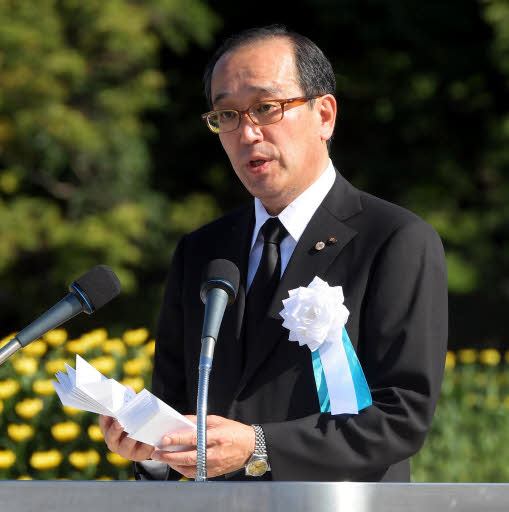
Since then, the declaration has become an annual tradition. It is sent to countries around the world to convey Hiroshima’s stance on nuclear weapons and peace. The city explicitly states its commitment to the elimination of nuclear weapons and the creation of a world in which no population will ever again experience a tragedy like those in Hiroshima and Nagasaki.
Interestingly, the text of the declaration is not repeated every year. It responds to current events and issues. Therefore, over the years, it has addressed issues such as nuclear disarmament, international security, and the responsibility of states. This makes the ceremony more than just a commemoration of the past. Hiroshima uses this date to speak about the modern world as well.
The Atomic Bomb Victims’ Cenotaph
The centerpiece of the ceremony is the Cenotaph for the Victims of the Atomic Bombing in Peace Memorial Park. It is a monument dedicated to all those who died, regardless of their nationality. Next to it is a list of the victims’ names. New names of people who have died from the effects of the bombing are regularly added to it.

This is an important detail, as the tragedy of Hiroshima did not end on August 6, 1945. Many survivors died from radiation-related illnesses long after the war had ended. Therefore, the list of victims continues to grow even decades later. During the ceremony, government officials, families of the deceased, and other participants lay flowers at the cenotaph. In this way, each new ceremony becomes another day of remembrance for those taken by the atomic bomb.
Who Are the Hibakusha?
The hibakusha—people who survived the atomic bombings of Hiroshima and Nagasaki—hold a special place in the ceremony. For them, August 6 is not just a historical date. It is a day they remember personally. Many have been sharing their experiences from 1945 for decades. The testimonies of the hibakusha have become an important part of Japan’s collective memory of the war. They recount life before the blast, the moment of the attack itself, and the aftermath they witnessed.
Their stories are passed down to younger generations. This is especially important now, more than eight decades after 1945, as the number of people who personally survived the atomic bombings is naturally dwindling. That is why the ceremony has another important purpose—to ensure that the eyewitness accounts do not disappear along with the hibakusha generation.
Doves as a Symbol of Peace
During the ceremony, white doves are released into the sky. This is one of the event’s most recognizable symbols. The dove has long been associated with peace, so its appearance at the ceremony carries a clear symbolic meaning. After a minute of silence and the Declaration of Peace, the birds are released into the sky as a sign of the pursuit of peace.
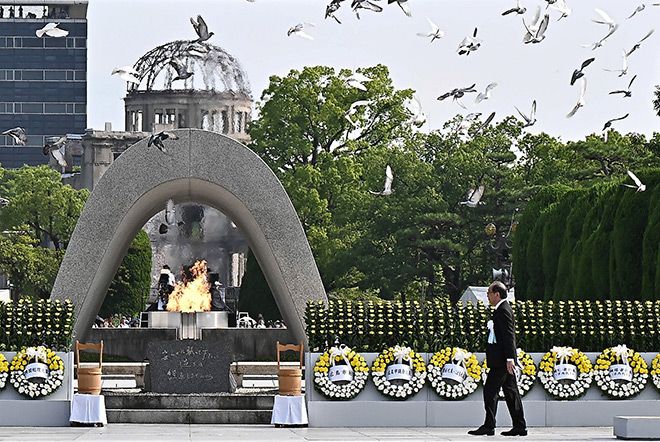
Against the backdrop of the Memorial Park, this moment appears particularly symbolic. Nearby are sites associated with the atomic bombing, while white doves soar into the sky. This is one of the few parts of the ceremony that conveys a distinctly hopeful and even reassuring image. The overall tone of the day remains tragic, but Hiroshima’s message is directed not only backward, toward the past, but also forward—toward peace.
The Peace Bell
Another key symbol is the Peace Bell. Its toll is heard precisely at 8:15 a.m., when the minute of silence begins. At that moment, people stop talking, bow their heads, and remember the victims. At the same time, sirens may sound throughout the city, and people in various parts of Hiroshima join in the minute of silence.
The bell holds special significance precisely because its sound is not associated with war. It serves as a signal to pause and a reminder of the value of human life. For Hiroshima, this tradition has been observed for decades. And although the ceremony lasts less than an hour, that one minute at 8:15 a.m. remains its most emotional moment.
Peace Memorial Park
The ceremony takes place at the Hiroshima Peace Memorial Park. The park is located in the city center, in an area that was one of the hardest hit by the atomic bombing. Today, it is a large green space featuring memorials, museums, and monuments. It has become one of the world’s leading sites for reflecting on the consequences of nuclear weapons.
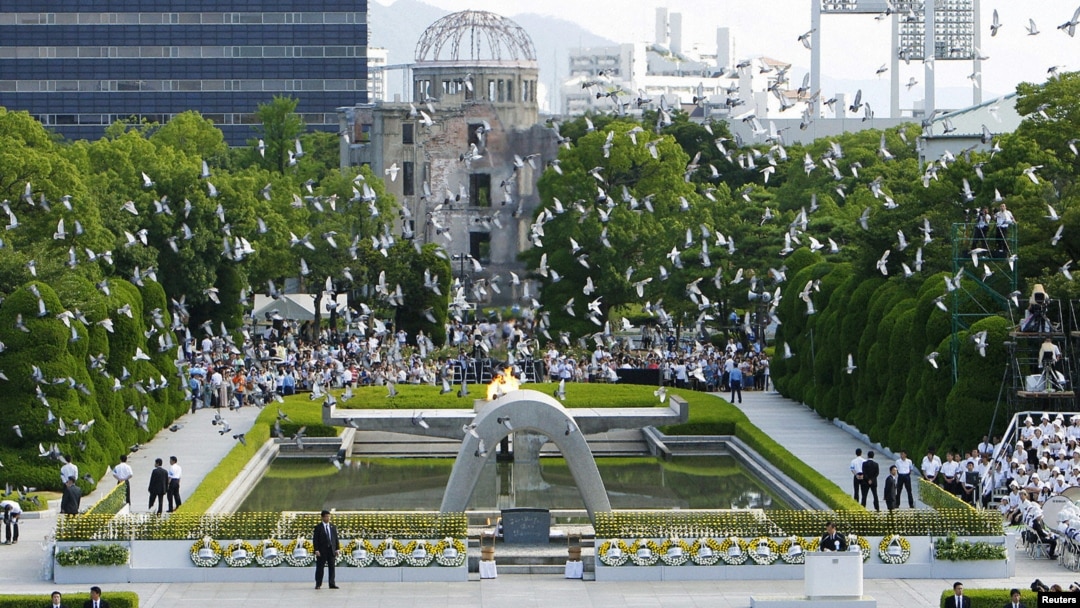
Nearby stands the Atomic Bomb Dome, or Genbaku Dome. It is one of the few structures that partially survived the blast. Today, it has become a symbol of Hiroshima and a reminder of the tragedy. In 1996, the Atomic Bomb Dome was inscribed on the UNESCO World Heritage List. Preserving it is vital for passing on the memory of the events of 1945 to future generations.
How the 2026 Ceremony Will Take Place
This year’s ceremony will take place on August 6, 2026, from 8:00 a.m. to 8:50 a.m. The venue is the Hiroshima Peace Memorial Park. The city has prepared approximately 7,000 seats for participants in the main area and another 2,200 seats inside the International Conference Center, where the event will be simulcast. The program will begin with the opening ceremony and the reading of the list of names of the deceased. At 8:08 a.m., a wreath-laying ceremony is scheduled; at 8:15 a.m., there will be a minute of silence and the ringing of the Peace Bell; and at 8:16 a.m., the Peace Declaration will be read.

Afterward, doves will be released into the sky. At 8:24 a.m., a pledge for peace is scheduled, followed by speeches from invited guests. At 8:46 a.m., the “Hiroshima Song of Peace” will be performed, and at 8:50 a.m., the ceremony will conclude. The city has also set aside designated seating areas for international visitors and will provide simultaneous English-Japanese interpretation. In 2026, approximately 500 seats were available for international visitors, and registration took place in June. In other words, this year’s ceremony will follow the usual format. It will bring people together at the very same place where Hiroshima reminds the world every year of the consequences of a nuclear attack.
What traditions are associated with August 6?
The main tradition is a minute of silence at 8:15 a.m. It is this moment that unites people, regardless of whether they are physically present at the Memorial Park or watching the ceremony from elsewhere. The second important tradition is the laying of flowers at the cenotaph. Relatives of the victims, government officials, schoolchildren, city residents, and foreign guests gather there. The third is the reading of the Declaration of Peace by the mayor of Hiroshima. It has been an integral part of the ceremony since 1947.
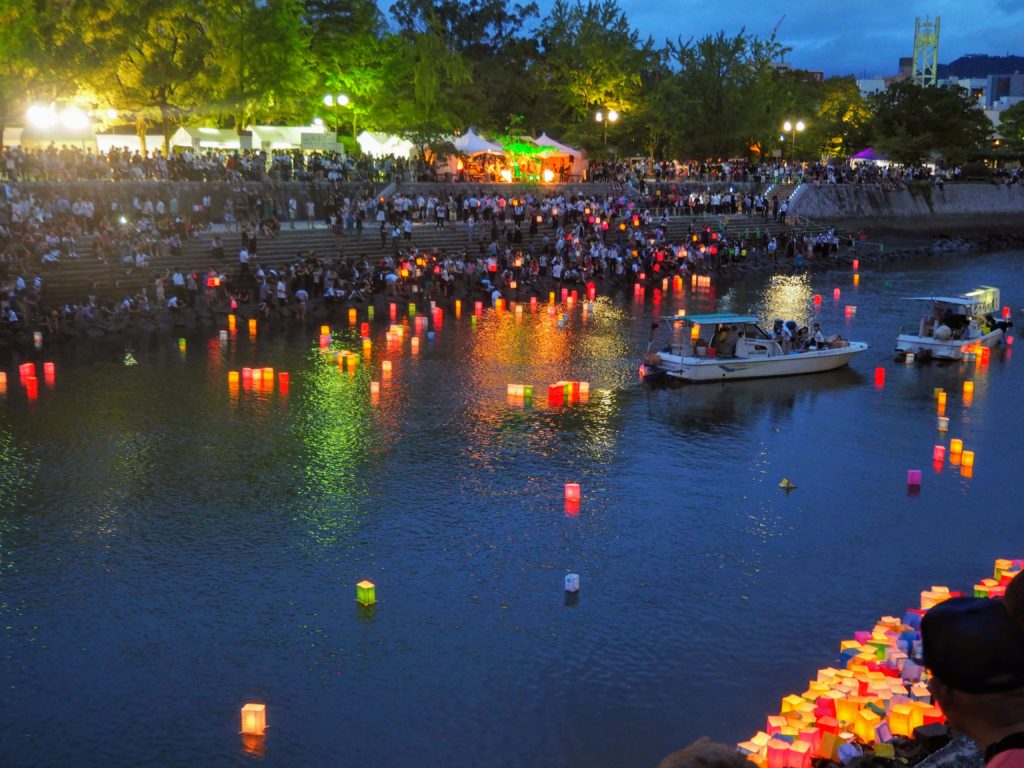
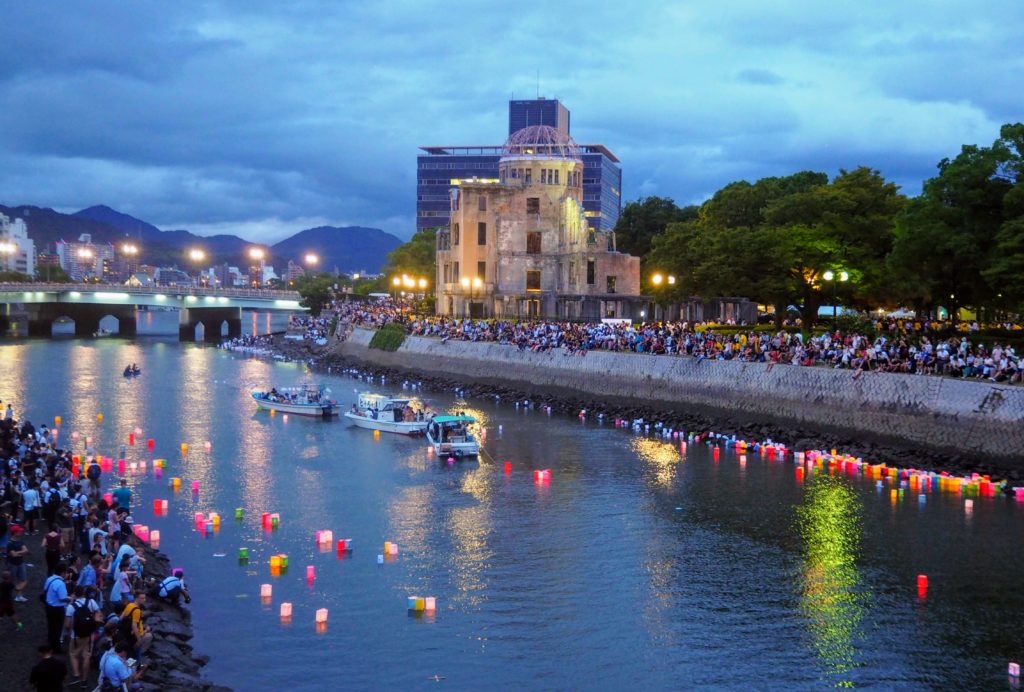
A water-offering ceremony is also held. It takes place before the main event, at 7:55 a.m. This ritual commemorates the people who, after the explosion, begged for water due to their terrible burns. Another tradition is the release of white doves. It symbolizes peace and the hope that such a tragedy will never happen again. In the evening, other commemorative events take place in Hiroshima, among which the lantern ceremony on the river is particularly well-known. People set paper lanterns afloat on the water, each bearing messages and wishes for peace. This tradition has become one of the most well-known ways to personally honor the memory of those who perished.
Lanterns on the Water
On the evening of August 6, Hiroshima hosts Toro Nagashi—the floating lantern ceremony. People set small paper lanterns with candles inside adrift on the river. They often write names, messages of remembrance, or wishes for peace on them. The lights move slowly along the water, creating a long, luminous stream.
This tradition is very personal. While the morning ceremony is official and follows a strict program, in the evening people can come simply to remember their loved ones. The lanterns are also linked to the Japanese tradition of honoring the deceased. In the context of Hiroshima, they have become a symbol of remembrance for the victims of the atomic bombing and a wish for their peace.
Interesting Facts About the Ceremony
The first Peace Declaration was delivered in 1947, two years after the atomic bombing. It was delivered by Hiroshima Mayor Shinzō Hamai during the first Peace Festival.

The ceremony begins precisely at 8:00 a.m. But even before that, at 7:55 a.m., a water-offering ceremony takes place.
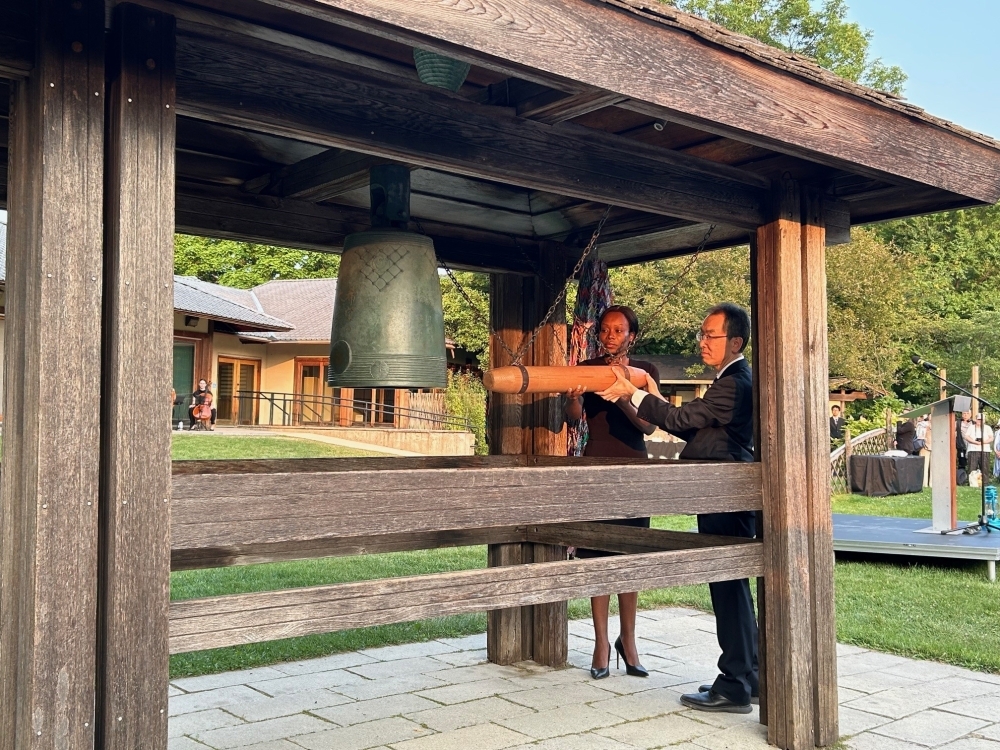
At 8:15 a.m., the city comes to a standstill for one minute. This marks the time of the atomic explosion on August 6, 1945. The Peace Bell rings in Memorial Park, and people honor the victims with a moment of silence.
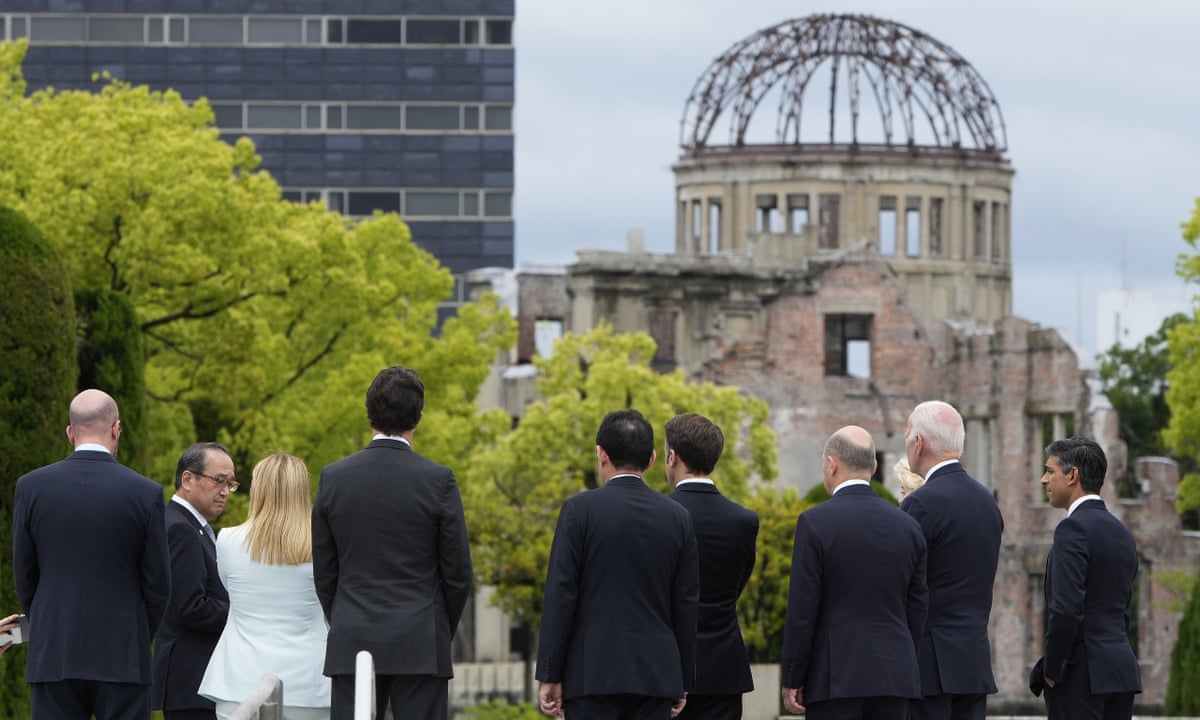
A Declaration of Peace is sent to the entire world. Hiroshima uses it not only as an internal memorial document but also as an international appeal calling for the elimination of nuclear weapons.

The list of victims continues to grow. During the ceremony, the names of people who died after the previous ceremony as a result of the atomic bombing are added to the list.
The ceremony is open to the public. Every year, the city of Hiroshima sets aside seating for local residents and international guests.
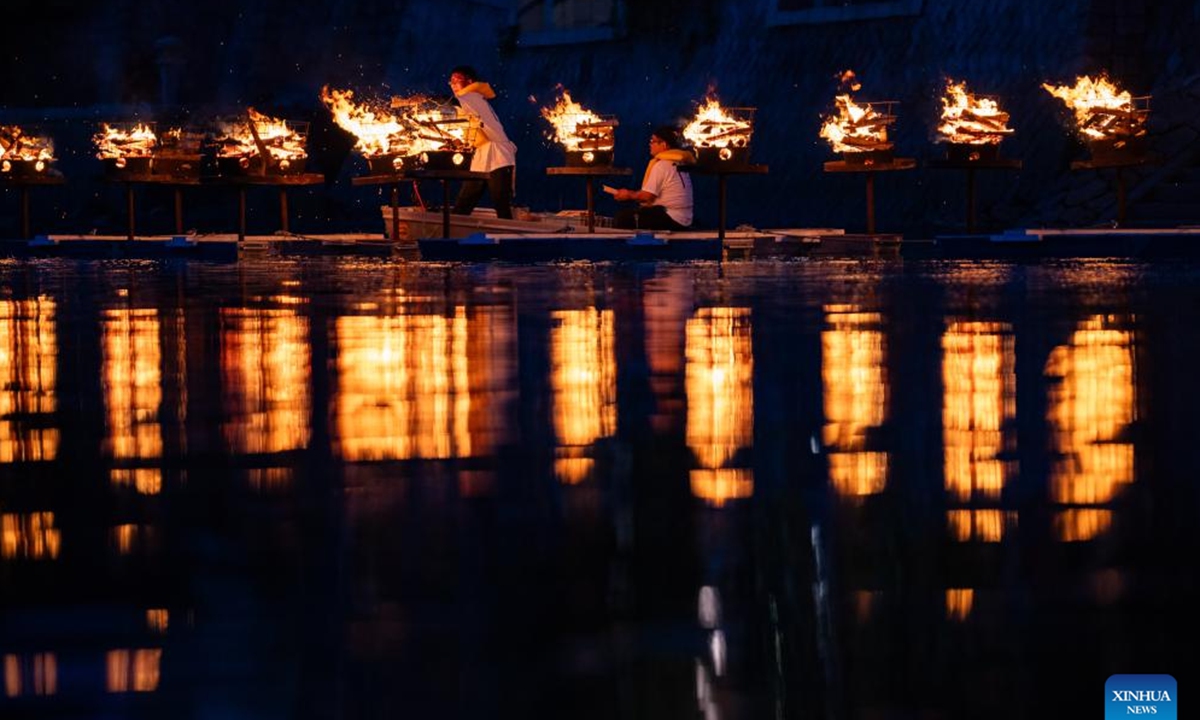
In 2026, the ceremony will last 50 minutes. It will begin at 8:00 a.m. and end at 8:50 a.m.
Why Hiroshima Continues to Hold the Ceremony
It has been 81 years since the tragedy, but for the city, this history has not become merely a page in a textbook. People who survived the atomic bombing still live in Hiroshima, and their families keep the memory of the victims alive. The annual ceremony is also necessary to engage with the younger generation. As the number of hibakusha decreases over the years, it becomes increasingly important to preserve their testimonies, memories, and stories.

The city also uses the ceremony as an international platform. Through the Declaration of Peace, Hiroshima appeals to the governments and societies of various countries, urging them to prevent a repeat of the atomic tragedy. That is why, on August 6 in Hiroshima, the conversation is not limited to the events of 1945. The central question the city poses today is much broader: how can we ensure that no other city ever has to endure what Hiroshima endured?
Hiroshima Speaks of Peace
The August 6 Peace Memorial Ceremony is a day of silence, remembrance, and a very simple message. People remember those taken by the atomic bomb, listen to the Peace Bell, lay flowers, and pause the usual rhythm of life for a moment. But the main purpose of the ceremony is not merely to remember the past. Hiroshima wants the city’s experience to serve as a warning to the entire world. That is why the Declaration of Peace is read aloud every year, and the mayor calls for the elimination of nuclear weapons and the building of a peace that does not depend on military force.

On August 6, 2026, Hiroshima will once again come to a standstill at 8:15 a.m. The Peace Bell will ring, thousands of people will bow their heads, and the city will remember those whose lives were changed by a single explosion 81 years ago. Afterward, white doves will take flight into the sky, and in the evening, hundreds and thousands of tiny lights will appear on the water. For Hiroshima, this is not just an anniversary of a tragedy. It is an annual reminder of the cost of war and a call to do everything possible to ensure that the history of the atomic bombing remains in the past and is never repeated.


